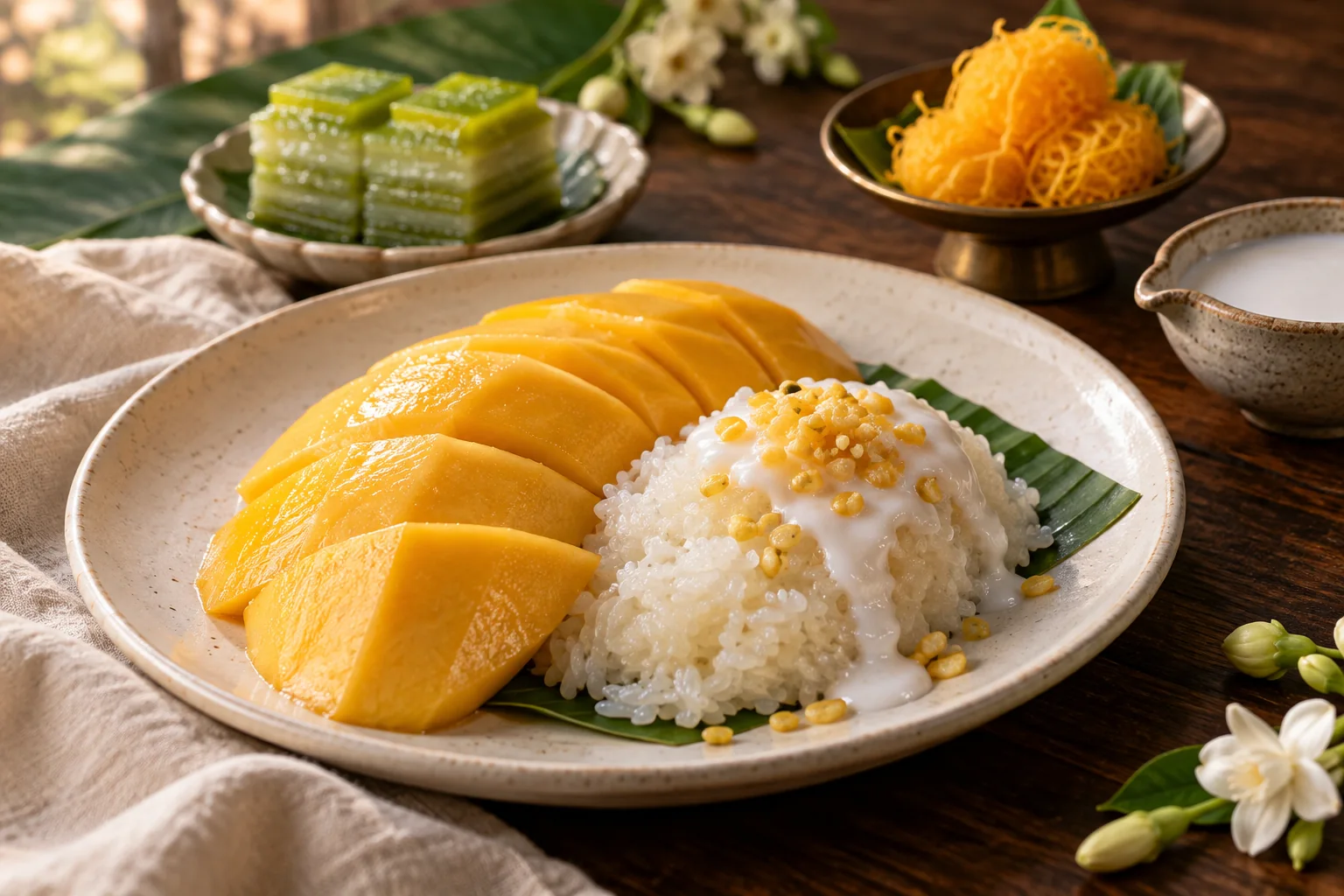
A spoonful of coconut cream catches the salt before the sweetness. A piece of mango gives way to sticky rice. Elsewhere on the table, a little green cake pulls apart in delicate layers. Thai desserts reward this kind of attention: a willingness to slow down and notice what happens between the first bite and the next. For anyone exploring Thai desserts in Bangkok, mango sticky rice is an inviting beginning. Beyond it lies a varied repertoire of steamed cakes, chilled bowls, egg-rich confections and carefully shaped morsels. Some are comforting; others demand astonishing precision from the cook. This is a guide to fifteen distinct sweets, rather than a ranking, and an invitation from THAM Street Food on Yen Akat Road to look a little closer at Thailand's sweet kitchen.
Understanding the Thai sweet kitchen
Texture is an excellent starting point. Rice, rice flour and different starches can produce everything from tender grains to a resilient, almost bouncy bite. Coconut milk supplies richness, while pandan lends a fragrant green note to certain recipes. Palm sugar brings its own character, though it is not the sweetener in every preparation.
Salt matters too. In a coconut sauce, a small amount can make a sweet dessert feel more balanced. Names and colours offer clues, but they do not reveal every ingredient. Recipes differ between cooks, so curiosity is more useful than assuming that every green sweet tastes alike.
Fruit and coconut in four different forms
1. Khao niao mamuang
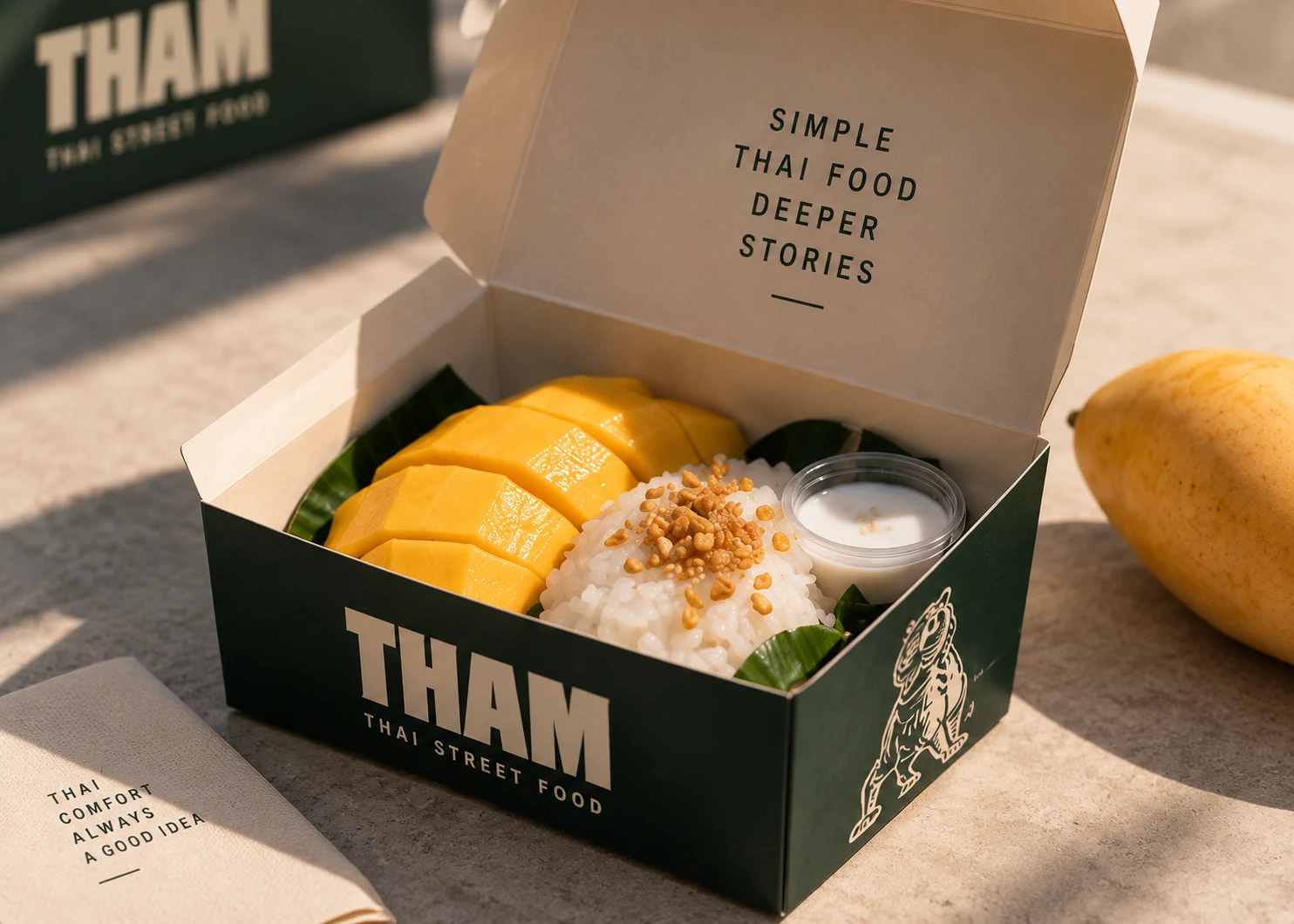
Mango sticky rice succeeds through contrast. Ripe mango sits beside glutinous rice that has been steamed and dressed with sweetened coconut milk. A slightly salty coconut sauce and, often, crisp mung beans complete the plate. Take fruit, rice and sauce together rather than treating them as separate courses. The mango's juiciness changes the feel of the rice, while the topping provides a little interruption to all that softness.
Choose by texture rather than colour alone.
2. Kluai buat chi
Bananas in coconut milk offer a quieter pleasure. Pieces of banana cook in sweetened coconut milk with a little salt; pandan appears in some recipes. Served warm, at room temperature or chilled, depending on the preparation, this dessert makes familiar ingredients feel unexpectedly complete. It is a good choice when you want to appreciate coconut without the distraction of elaborate decoration.
3. Bua loy
Small glutinous-rice-flour dumplings float in sweetened coconut milk. Pumpkin, taro or pandan may be worked into the dough, contributing flavour and colour. The pleasure lies in the tender chew of the little balls against the liquid around them. Approach bua loy as you would a good bowl of soup: a spoonful should bring the components together, not simply collect the most colourful pieces.
4. Sangkaya fak thong
Here, a hollowed pumpkin becomes the vessel for a steamed egg-and-coconut custard. Cut into wedges, it reveals a striking division between the flesh and the smooth filling. Pumpkin gives the bite substance; the custard brings richness. The resulting slice feels generous without needing a complicated garnish. For anyone fond of custard, this is an appealing way into a different style of dessert.
Cold bowls and contrasting textures
5. Tub tim krob
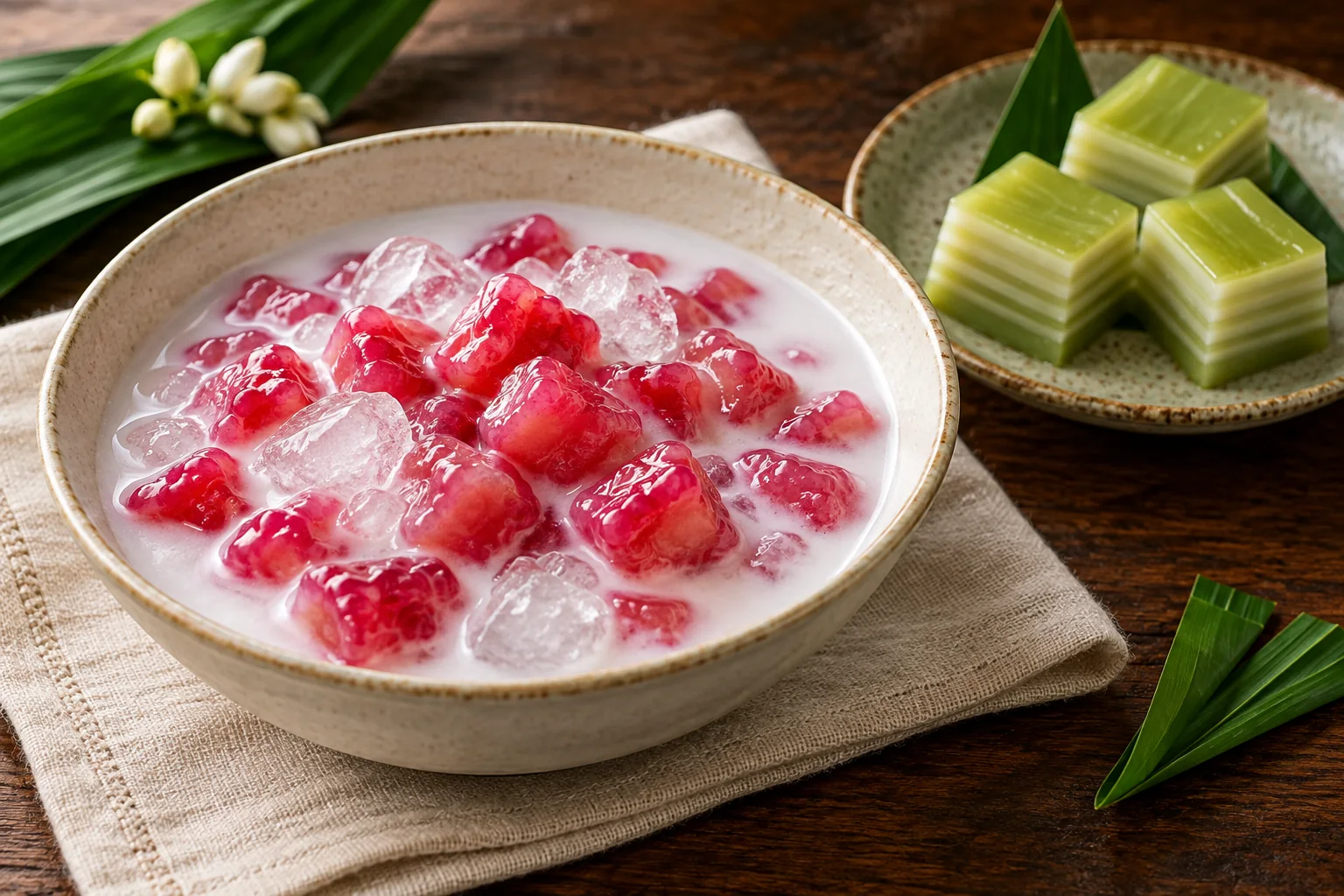
These jewel-like red pieces are usually water chestnuts coated in tapioca starch, served with sweetened coconut milk and ice. The coating has a gentle elasticity; the centre keeps its crunch. The red colour suggests rubies rather than strawberry flavour. It is a particularly enjoyable dessert for someone who likes a little resistance in each spoonful, rather than a uniformly smooth pudding.
6. Lod chong
Lod chong nam kathi brings short pandan-scented rice-flour strands together with sweetened coconut milk. The strands' soft texture is central to its appeal. Names need care here: lod chong Singapore is a related but different preparation using tapioca strands with a different chew. Looking at the bowl and asking about its contents will tell you more than an English menu translation alone.
7. Itim kathi
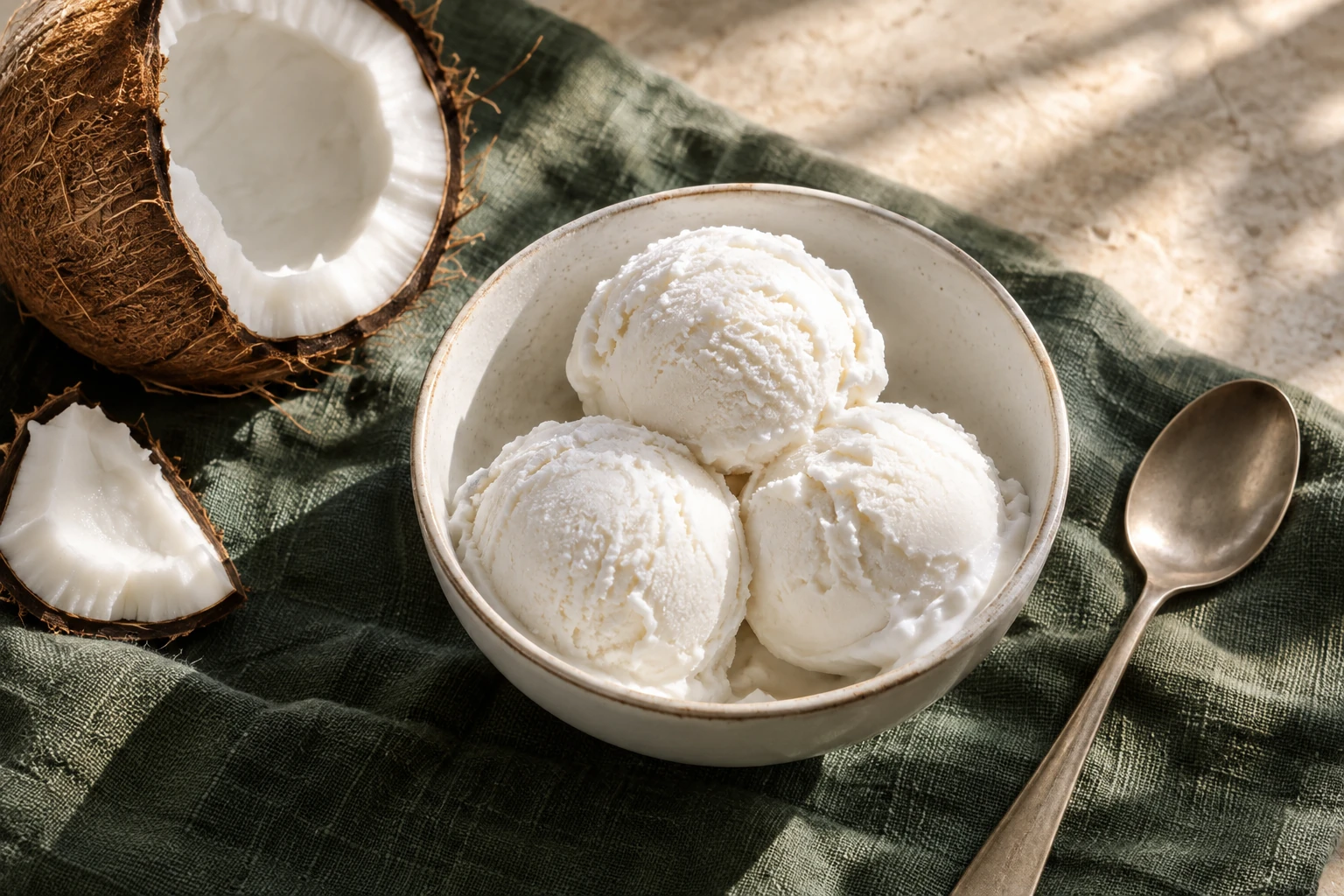
Thai coconut ice cream invites you to reconsider the garnish. Sticky rice, peanuts or sweetcorn can accompany it; some versions are served in a soft bread roll. Start with one addition and notice how it changes the ice cream's texture. Coconut flavour does not guarantee a dairy-free recipe, however. If ingredients matter to your diet, ask about the base as well as the toppings.
Small sweets with impressive craftsmanship
8. Khanom krok
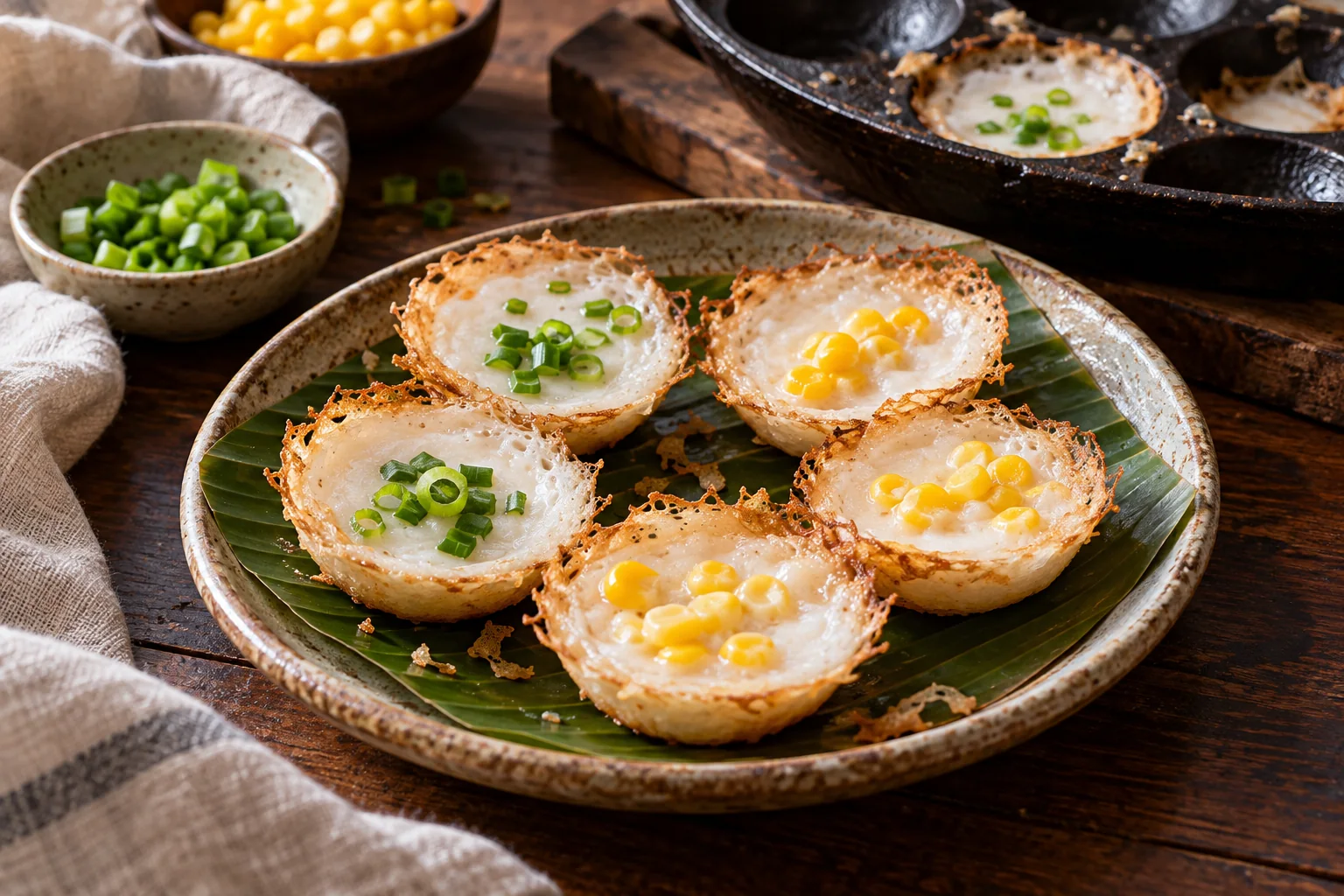
Cooked in the rounded hollows of a hot pan, these coconut pancakes can develop crisp edges around a soft centre. Their sweet-salty character makes toppings such as spring onion feel entirely at home alongside alternatives including corn or taro. Try them freshly prepared, when the distinction between the outside and inside is clearest. They are an excellent reminder that a dessert need not be sweet in every mouthful.
9. Khanom chan
Layer follows layer in this steamed sweet made with coconut milk and a mixture of flours or starches. Pandan flavours some versions, although colours and recipes vary. The finished cake is supple, with a pleasing elasticity. You can bite through the whole piece, but separating its layers offers another way to appreciate the cook's work. Its visual order is matched by a very tactile pleasure.
10. Luk chup
A tiny chilli, a miniature mango, a polished little orange: luk chup plays with recognition. Inside these glossy shapes is a sweet mung-bean-and-coconut mixture, covered with an agar coating. Their appearance describes a fruit or vegetable, not necessarily their flavour. A chilli-shaped piece need not be spicy. Look closely before eating; the shaping and finishing are part of what makes these confections so engaging.
The golden sweets
11. Thong yip
Shaped into delicate folds resembling a flower, thong yip is an egg-yolk sweet cooked in syrup. Its rich sweetness suits a small portion. It belongs to a group of auspicious Thai desserts associated with good wishes and prosperity, giving its careful presentation a meaning beyond decoration.
12. Thong yot
Thong yot takes the form of rounded golden drops. Its yolk-based mixture is cooked in syrup, with rice flour included in some recipes. Set beside thong yip, it shows how closely related ingredients can become different sweets through shaping and technique. A tasting need only include a small piece of each.
13. Foi thong
Fine strands of egg yolk, cooked in syrup, form the distinctive threads of foi thong. Their texture separates this sweet from the folded flower and rounded drop. Associated with wishes for a long-lasting marriage, the threads bring ceremonial significance as well as an unmistakable appearance to the dessert table.
14. Med khanoon
The name refers to the shape of a jackfruit seed. In the classic version described here, the centre is sweet mung-bean paste, coated with egg yolk, rather than jackfruit. It is another useful lesson in reading Thai dessert names: shape, symbolism and ingredients do not always tell the same story.
15. Khanom mo kaeng
This baked egg-and-coconut dessert brings a different finish to the selection. Versions can contain mung beans, and the surface colours during baking. Its custard-like character makes it approachable for anyone who usually orders a flan. Compare it with steamed pumpkin custard to appreciate how preparation changes the experience of otherwise familiar ingredients.
How to plan a Thai dessert tasting in Bangkok
Choose by texture rather than colour alone. Mango sticky rice, freshly cooked khanom krok and a cold bowl of tub tim krob would introduce fruit, crisp edges and crunch in three contrasting preparations. Sharing small portions leaves room to notice each one, instead of making the tasting a test of endurance.
Ask what has just been prepared. Watch a pan being filled or a steamed sweet being cut, where the setting allows it. If you are planning a food outing around Yen Akat or nearby Sathorn, check each venue's current selection before setting out. This guide describes Thai dessert traditions, not a promise that one restaurant serves all fifteen.
Questions worth asking before you order
Which Thai dessert should I try first?
Mango sticky rice is an accessible introduction. If you prefer something warm and spoonable, consider bananas in coconut milk. For a small bite with contrasting textures, look for freshly prepared khanom krok.
Are Thai desserts vegan or gluten-free?
Not automatically. Golden sweets and custards often contain eggs; some ice creams contain dairy, and recipes or preparation areas may involve wheat or other allergens. Confirm ingredients and cross-contact arrangements with the person serving you rather than relying on a photograph or dessert name.
Can I order a less sweet version?
Ask about the particular preparation. A dessert assembled to order may allow less syrup, while a confection already cooked in syrup cannot be adjusted in the same way. Small portions are a useful starting point.
Continue exploring with THAM Street Food
Keep a few names from this guide for your next Bangkok food outing. Recognising a dessert makes ordering easier; understanding its texture makes tasting it more rewarding. There is room for the familiar mango sticky rice and for the small, unfamiliar sweet beside it.
Discover THAM Street Food on Yen Akat Road and visit thamstreetfood.com for information to help plan your visit. Ask the team about the current menu and dessert selection. Let this guide be the beginning of the conversation, and leave a little room for something new.
KEEP YOUR CURIOSITY HUNGRY
Keep your curiosity hungry. Ask about the current dessert selection before you visit.
Explore the THAM menuRead further
Photography & credits
All three images are AI-generated editorial illustrations of Thai dessert traditions. They are not photographs of THAM’s venue, kitchen or current menu, and this guide does not imply that THAM serves all fifteen desserts.
- Mango Sticky Rice — AI-generated editorial illustration commissioned for THAM; not a venue or menu photograph.
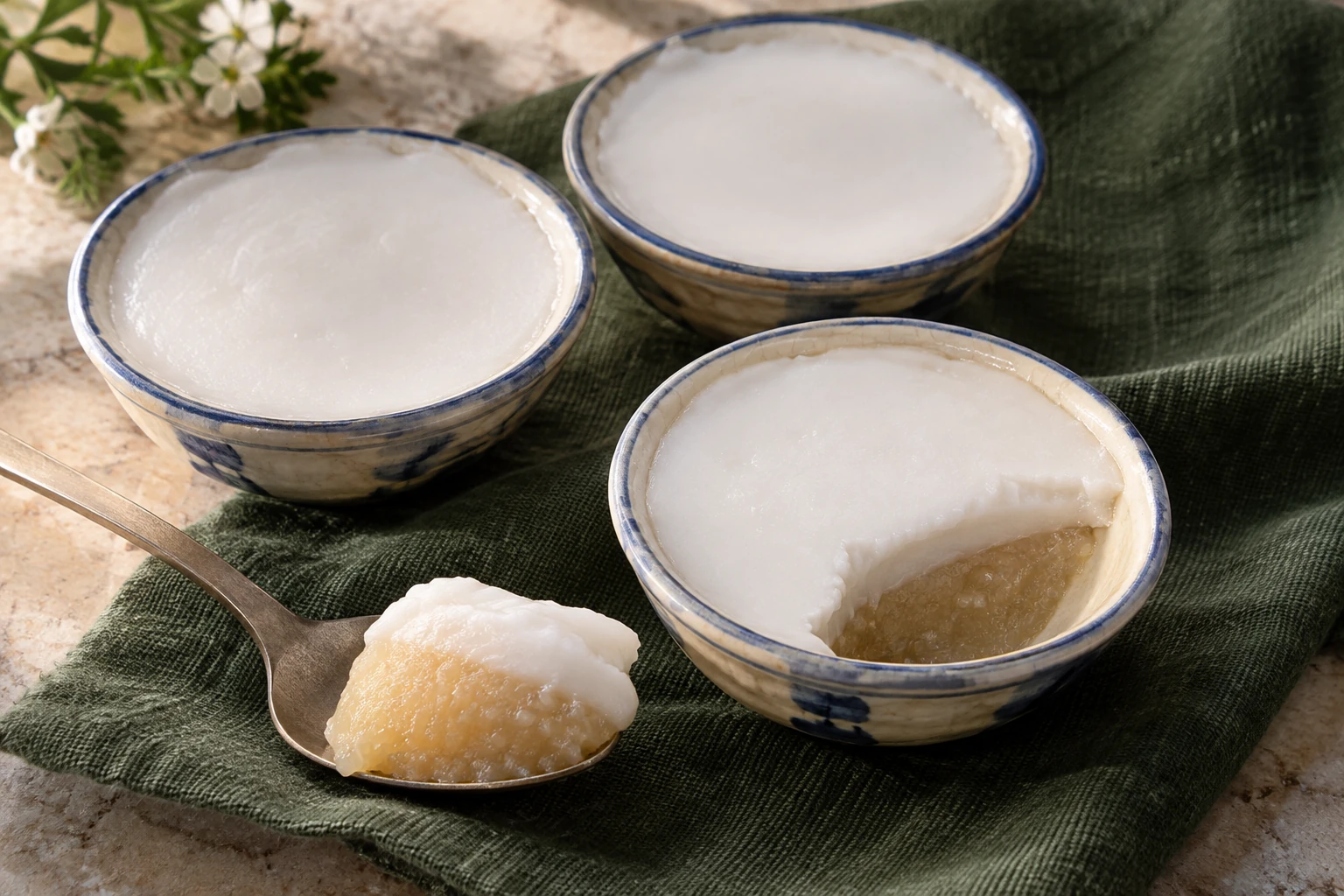
- Khanom Krok — AI-generated editorial illustration commissioned for THAM; not a venue or menu photograph.
- Tub Tim Krob — AI-generated editorial illustration commissioned for THAM; not a venue or menu photograph.