Say it: eye-tim ga-tee Approximate English sounds
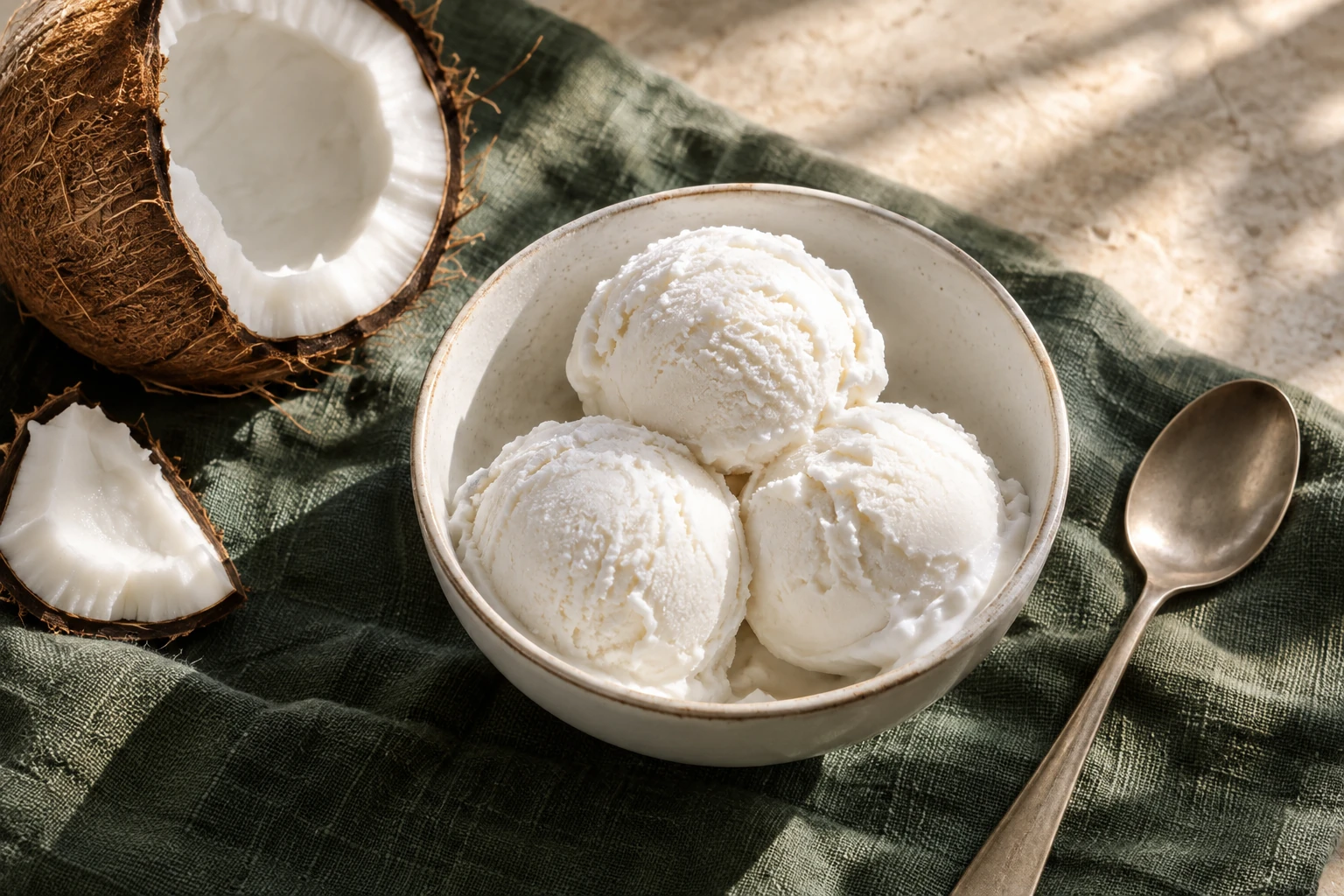
Thai coconut ice cream makes a familiar dessert feel new. Its character begins with coconut rather than a heavy perfume added to an otherwise anonymous scoop. In a bowl, a cone or a street vendor's bun, it offers a cool pause between the city's more energetic flavours. The Thai name ไอศกรีมกะทิ is often shortened in everyday speech to itim kati. At THAM, Coconut Ice Cream is one of three dessert choices. This guide explores the wider tradition, the ingredients that shape its texture, and the difference between a coconut-led frozen dessert and the many variations sold under the same English name.
What makes it Thai coconut ice cream?
There is no single worldwide formula for coconut ice cream. Some recipes use coconut milk as their main base; others combine coconut with dairy, eggs or other ingredients. The Thai street-food tradition gives coconut a central role and often treats the serving format and toppings as part of the experience.
Pailin Chongchitnant's young-coconut version, for example, combines coconut milk and coconut water, with pieces of young coconut as an optional addition. That creates a different direction from a dense dairy-based ice cream flavoured with coconut. When reading a menu, the name tells you the intended flavour, but it cannot confirm the complete recipe. At THAM, ask the team about ingredients if that matters to your order. The general variations below explain what you may encounter across Thailand; they are not promises of available toppings or preparation options here.
A street-food history with many makers
The history is best understood as a living practice rather than a story about one person inventing the perfect scoop. Thailand's Cultural Map project records a traditional coconut ice cream business in Samut Prakan whose owners describe receiving their recipe from a relative in 1993. Such accounts document knowledge moving between people and places, without establishing the origin of the whole dessert.
Ice cream educator Miss Ice Cream describes field interviews and work with traditional makers, alongside the familiar practice of serving coconut ice cream from mobile carts. Contemporary businesses continue interpreting that memory: BK Magazine's interview with the founders of Coconut Culture describes a deliberate return to childhood flavours through a modern shop. Together, these examples show a tradition that can live in carts, small businesses and contemporary counters. None requires a claim that every present-day recipe is unchanged from an earlier era.
Coconut milk, coconut cream and coconut water
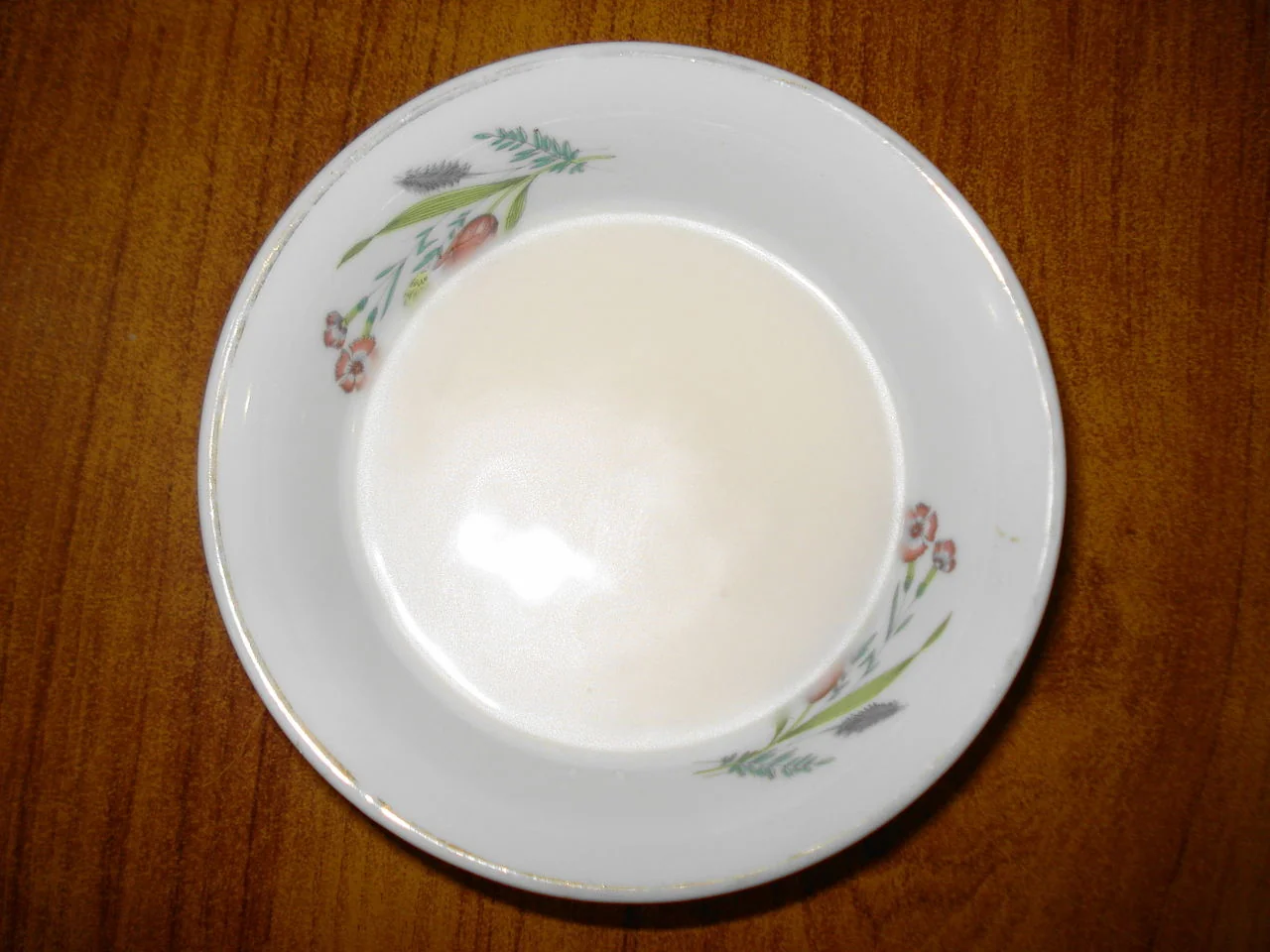
These names describe different ingredients, not three interchangeable labels. Coconut milk and cream bring coconut solids and richness; coconut water is the liquid associated with the inside of the fruit. A recipe may combine them, but replacing one with another changes the balance. Cooking coconut milk also differs from a thin coconut beverage formulated to drink straight from a carton.
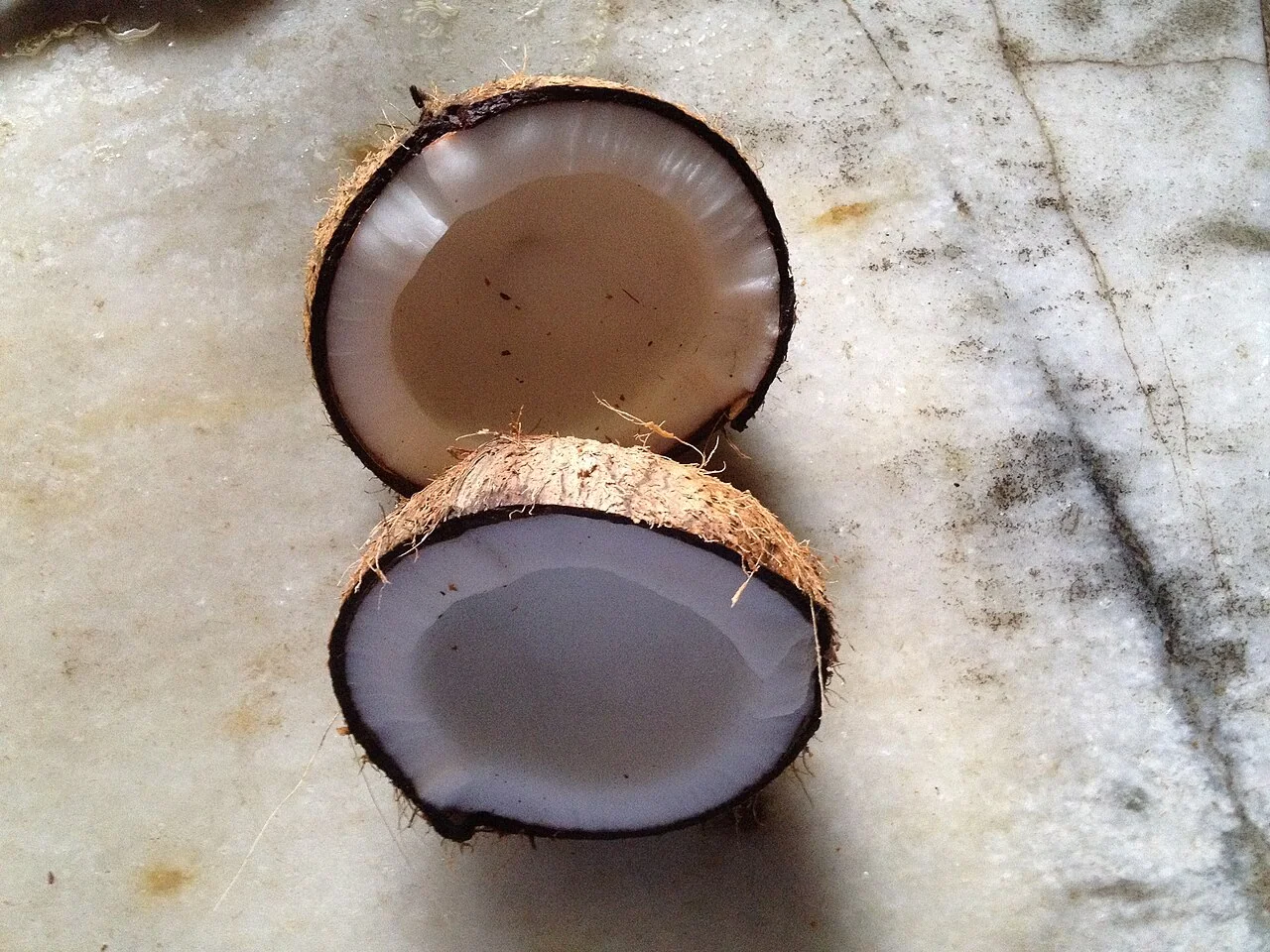
For a home batch, read the product label before making substitutions. Write down the fat content and whether sugar has already been added. That information makes a successful result easier to reproduce. Pailin's young-coconut recipe is a useful example of a lighter direction, while other versions deliberately pursue a richer texture. Neither approach can be judged by the colour of the scoop alone. The coconut photographs in this article show ingredients and preparation possibilities, not the supply chain or exact formula used by THAM.
A bowl, a cone or a soft bun: the way you eat a scoop changes the experience.
Sugar and salt have different jobs
Sugar is part of the structure of ice cream as well as its flavour. The Royal Society of Chemistry's explanation of frozen desserts describes how dissolved sugar lowers the freezing point of water. That is one reason removing a large amount from a recipe can change how hard the finished batch becomes. It is not simply a matter of making the same texture less sweet.
Salt, used carefully, changes the flavour balance. In coconut ice cream, a restrained amount can make the coconut more distinct without turning the dessert into a savoury dish. White sugar and palm sugar can also give different flavour impressions. If you are learning, choose one tested formula and make it as written first. Taste and record the result before reducing sugar or changing sweeteners. A small, deliberate comparison teaches more than several simultaneous substitutions made to an unfamiliar base.
How the ice cream is prepared
The broad process begins with a smoothly combined base. Where a recipe calls for heating, sugar is dissolved and any specified thickening stage is completed before the mixture is thoroughly chilled. The cold base is then churned according to the machine's instructions and transferred for further freezing if a firmer scoop is wanted.
Miss Ice Cream's discussion of recipe development highlights the attention makers give to texture while retaining coconut character. At home, organisation helps: prepare a suitable container, make room in the freezer and read the machine's capacity before starting. A base that looks small in a jug can expand as air is incorporated. Do not treat a churn's maximum capacity as a target to exceed. These are general preparation principles; the restaurant's production method, supplier and batch schedule are not specified by its menu and are not claimed here.
Why one scoop feels smooth and another icy
Ice cream contains more than frozen liquid. The Royal Society of Chemistry describes a structure involving ice crystals, air and fat within a concentrated solution. That explains why a spoonful can feel creamy even though it is cold enough to hold its shape. Texture depends on the whole mixture and process, rather than one ingredient acting alone.
For tasting, use simple observations instead of technical measurements. Does the spoon pass through easily? Does the scoop soften pleasantly at the edges? Does the coconut remain noticeable after the first cold impression? Let a very hard serving soften slightly rather than forcing the spoon. For home experiments, follow your chosen recipe's chilling and storage directions and keep the container covered. Repeatedly leaving the whole tub out while serving small portions makes it harder to compare one day's texture with the next.
The surprising pleasure of a bread bun
A soft bun may be an unfamiliar ice cream container for a first-time visitor. In Thai street service, it makes practical and sensory sense: bread supports the scoops and introduces a soft, absorbent contrast as they begin to melt. Miss Ice Cream describes the bun alongside cups, sticky rice and assorted toppings as part of the serving culture.
It is a useful reminder that a dessert's identity includes how people eat it. A cone encourages walking and licking; a bowl invites a spoon; a bun changes the relationship between bite and scoop. You do not need to declare one format more authentic than the others to appreciate their differences. Try the ice cream itself first, then notice what the container contributes. THAM's menu lists Coconut Ice Cream without committing to this street-style bun presentation, so treat it as a cultural discovery rather than an ordering instruction.
Toppings and other coconut variations
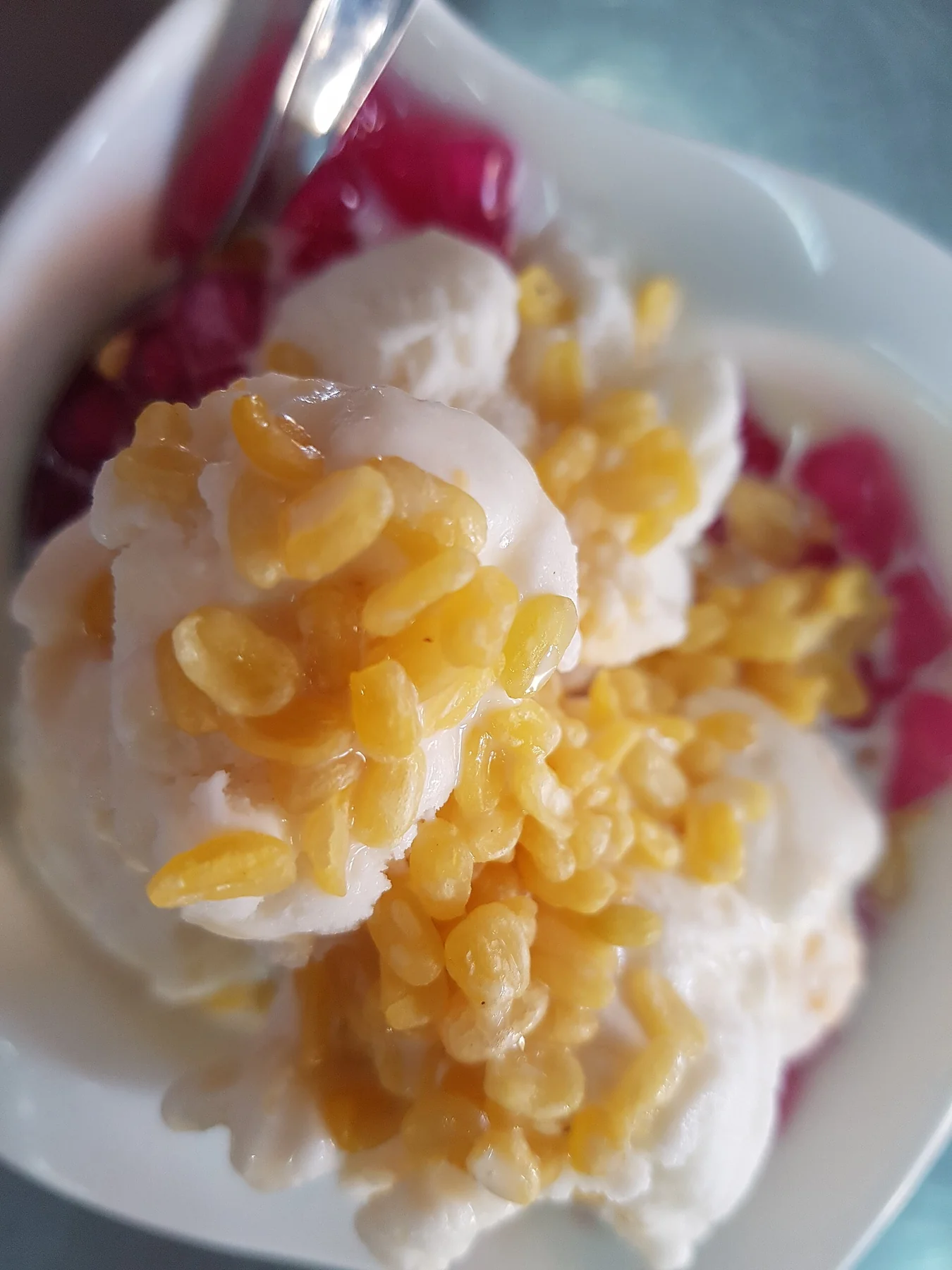
Peanuts, sweet corn, sticky rice and young coconut are among the accompaniments documented in Thai coconut ice cream preparations. Their appeal is not simply extra sweetness. They introduce crunch, chew or a contrasting bite. The photograph of coconut ice cream with corn in this guide illustrates one such serving, not THAM's standard portion.
Modern makers may explore combinations with other flavours. The founders interviewed by BK Magazine discuss choices such as pistachio and salted caramel alongside their coconut foundation. Such variations can be interesting without becoming a replacement definition of the classic. For your own tasting, begin with one scoop and one accompaniment rather than an entire collection of toppings. That makes it easier to understand the contribution of each. If avoiding an ingredient, ask explicitly about both the base and everything added at serving time.
Choosing your dessert at THAM
THAM lists Coconut Ice Cream at 60 THB. Choose it when you want a cool coconut finish after your meal. The menu does not specify a fixed number of scoops or a full ingredient declaration, so the editorial images should not be read as a serving guarantee. Ask the team about dietary requirements before ordering.
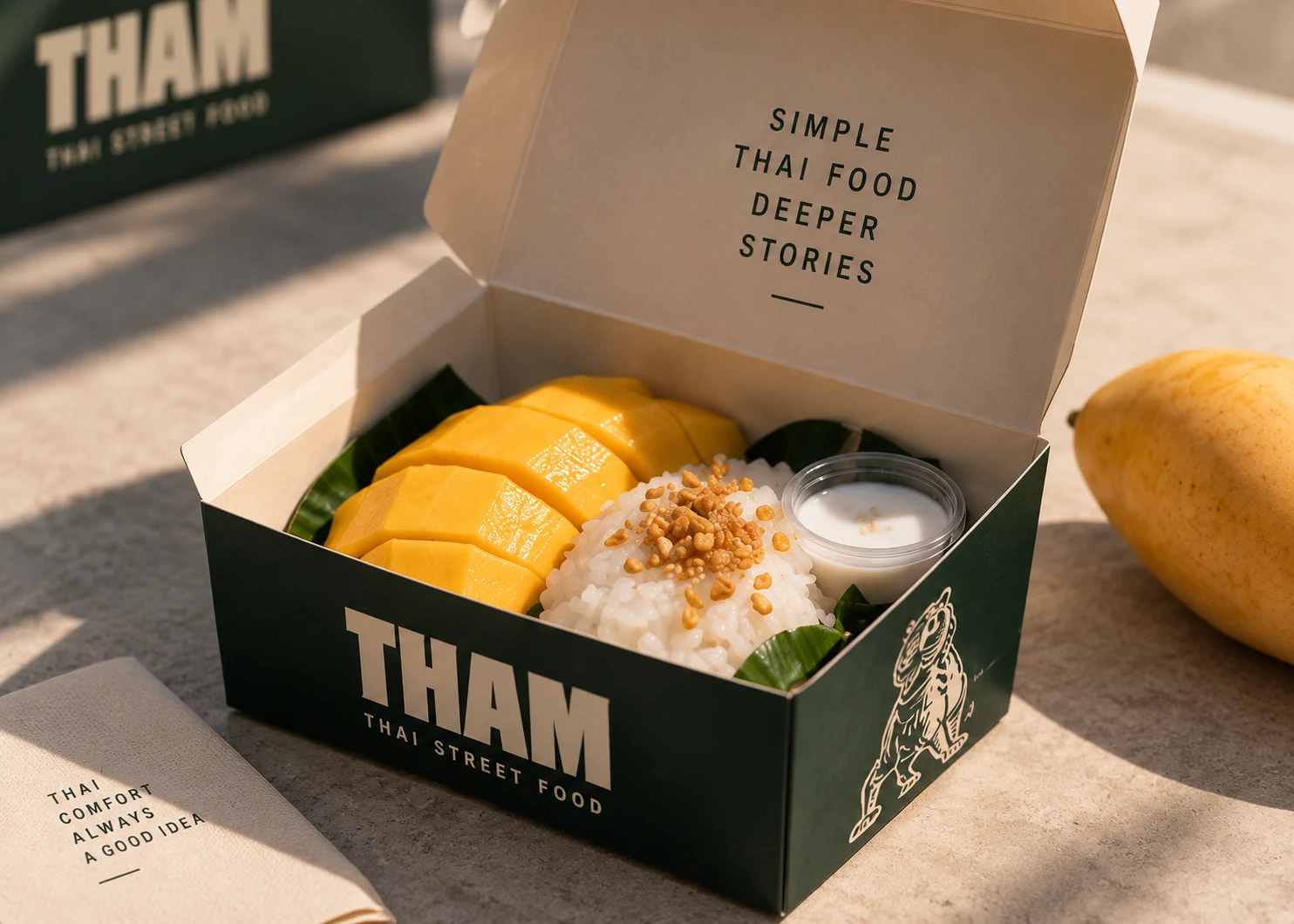
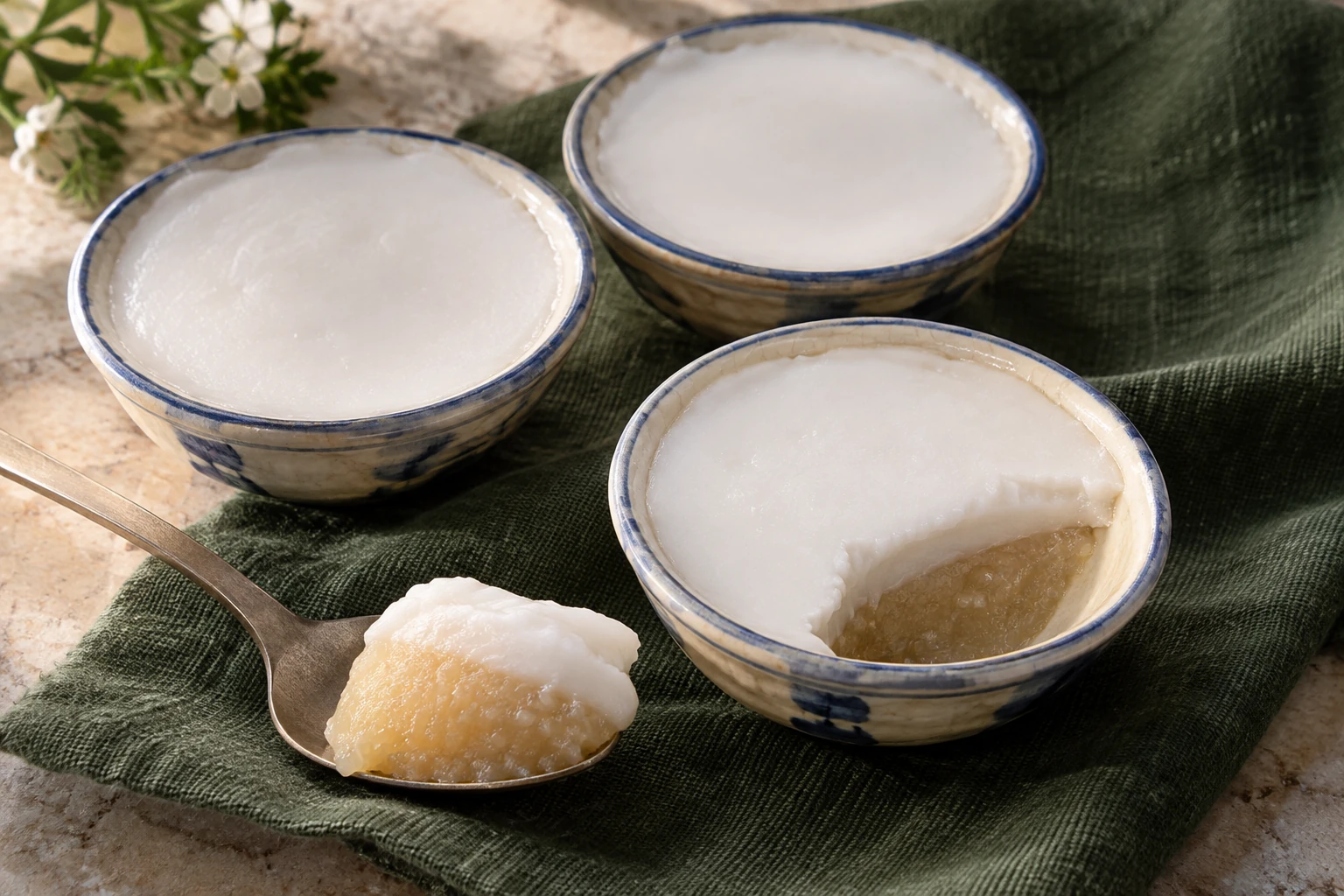
To explore further, compare it with Mango Sticky Rice or Khanom Tuay. All three make coconut relevant, but they use temperature and texture differently: a frozen scoop, fresh mango with chewy rice, and small steamed cups with a sweet base and gently salty top. That comparison is a compact introduction to Thai desserts. Familiarity with coconut becomes a starting point for noticing differences rather than a reason to assume all coconut sweets taste alike. The next discovery may be the smallest change in texture on your spoon.
KEEP YOUR CURIOSITY HUNGRY
Continue exploring coconut through steamed Khanom Tuay and mango sticky rice.
Explore the THAM menuRead further
Photography & credits
Editorial photographs illustrate Thai food and culture. THAM lifestyle images are creative brand imagery, including AI-generated scenes; they do not document the restaurant, its location or exact servings.
- Thai Coconut Ice Cream — THAM — AI-generated food illustration.
- Coconut halves.JPG — Clockery. CC BY 3.0. Resized and compressed for the web.
- Coconut Milk.JPG — Miansari66. CC0. Resized and compressed for the web.
- Coconut ice cream - Bangkok - 2017-05-03 (002).jpg — Iudexvivorum. CC0. Resized and compressed for the web.
- Palmsugar.jpg — Badagnani. CC BY 3.0. Resized and compressed for the web.