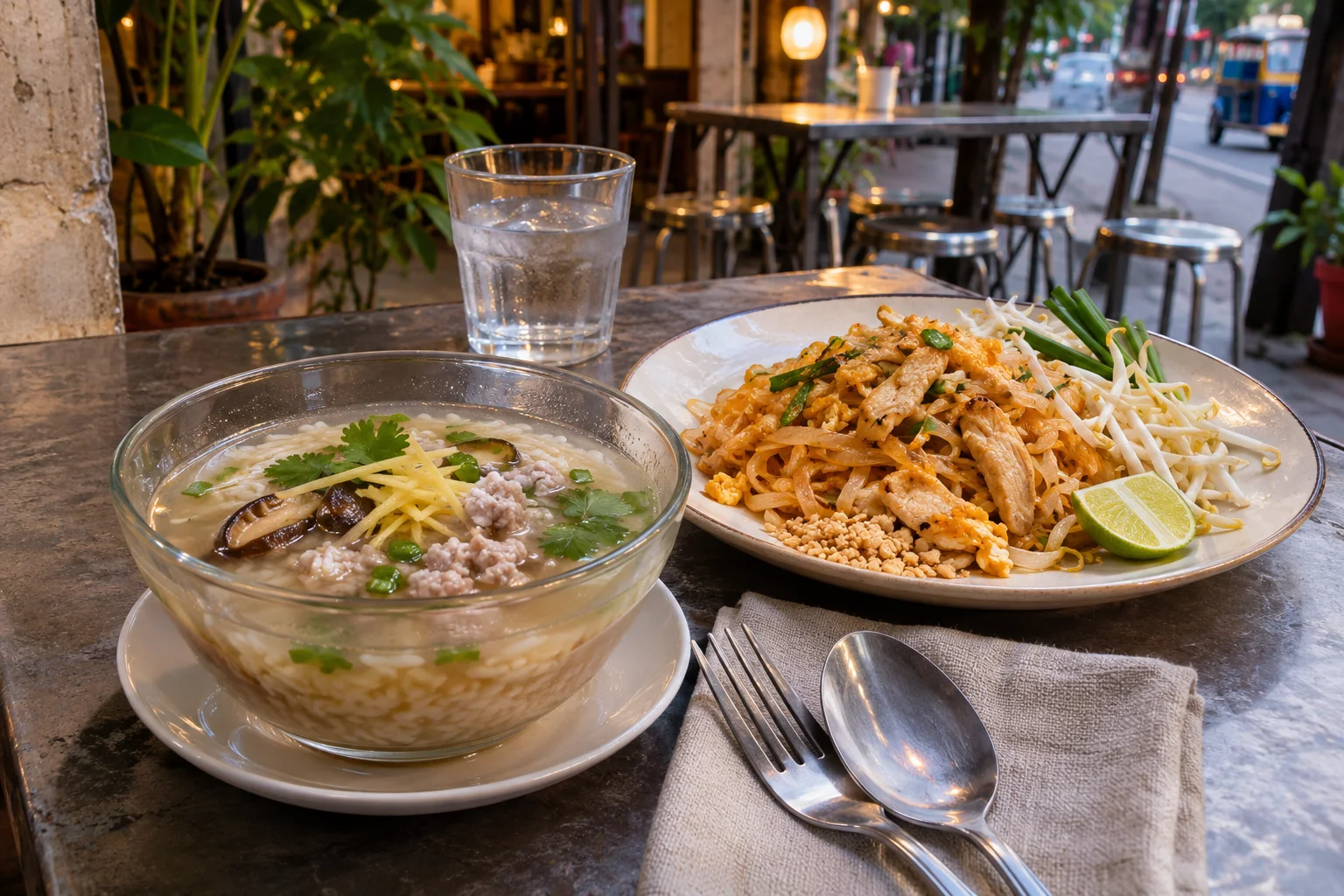
“Street kitchen” is THAM’s way of describing a particular kind of Bangkok meal: the direct appeal of Thai street-food favourites, prepared in a professional kitchen and served in a comfortable restaurant setting. It is not an official restaurant category, a government rating or an award. It is a useful promise about the experience—a clear menu, individual dishes at approachable prices and practical details that make a first visit easier. On Yen Akat Road, the idea lets you enjoy the flavours that draw people to everyday Thai food without pretending that every Bangkok food setting is the same.
Start with the meaning, not the label
Street food is wonderfully broad. It can mean a cart that specialises in one dish, a row of night-time stalls, a market counter or a shophouse with a few tables. Bangkok’s food culture cannot be reduced to one layout. When THAM uses “street kitchen,” the phrase does not claim to represent all of those businesses. It explains our own bridge between street-food inspiration and a dedicated dine-in space.
The “street” part is about immediacy. You read a dish name, notice the ingredients and order what sounds good. A bowl of rice soup does not require ceremony; noodles do not need to be part of a tasting sequence. The “kitchen” part is literal: the food is prepared in a professional kitchen, with a defined place for preparation and cooking. If you are still building your Bangkok food vocabulary, our guide to Bangkok street-food choices provides a broader starting point.
Choose by appetite: bowl, noodles or rice plate
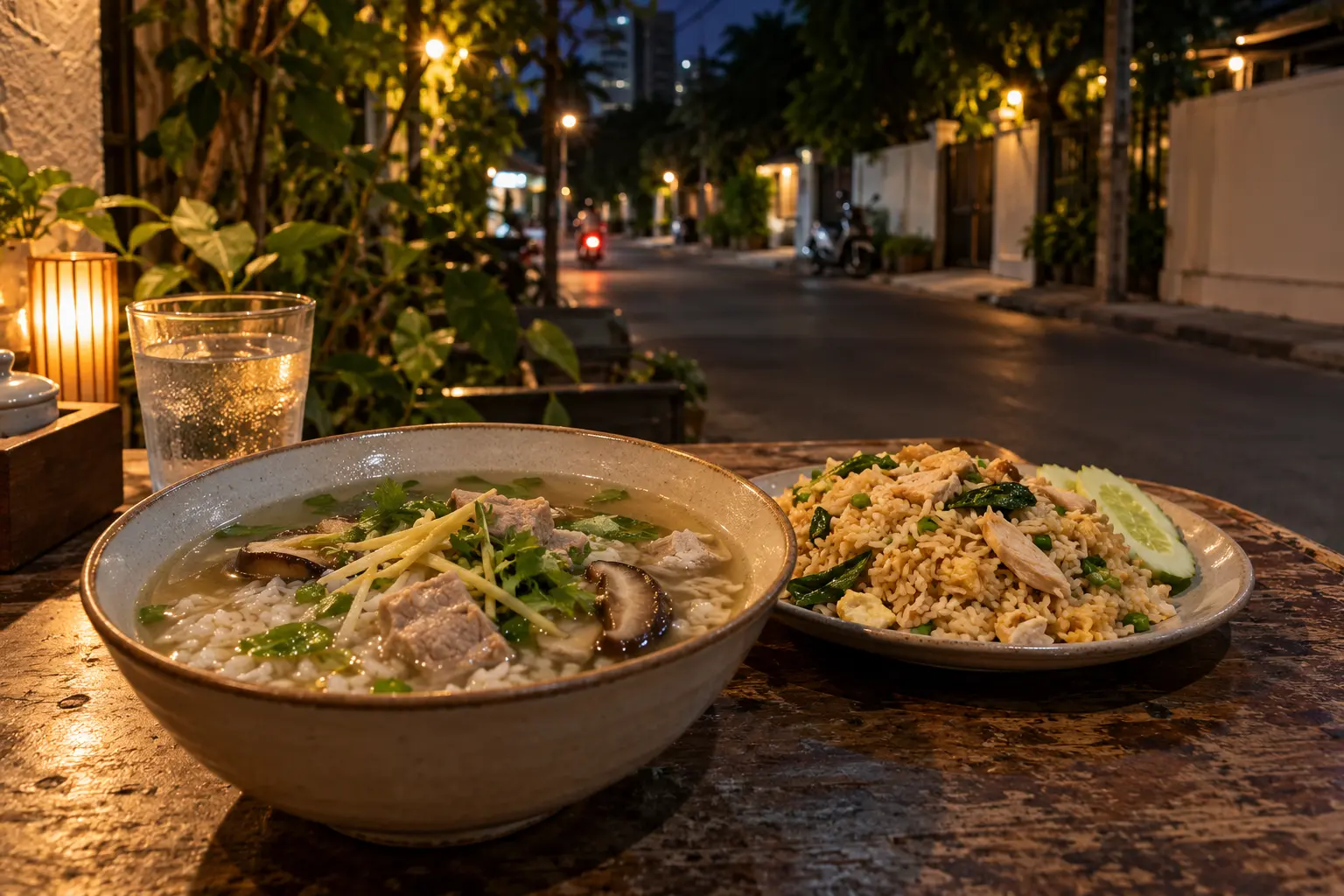
A street-kitchen meal begins with what you feel like eating. Want something to spoon slowly? Khao Tom Signature is a pork rice soup made with chicken broth, shiitake and ginger, listed at 140 THB. Rice stays in the broth, so the texture is soft and soupy rather than dry. It is a calm choice after a journey or on an evening when comfort matters more than novelty.
For noodles, Chicken Pad Thai is 160 THB and Prawn Pad Thai is 170 THB. Tamarind, egg and tofu give the dish its sweet-sour and savoury structure, while bean sprouts, lime and peanuts add contrast. If a rice plate sounds better, Pork Pad Kra Pao is 150 THB with rice. Holy basil, garlic and pork make it aromatic, and a fried egg can be added for 15 THB. Prices and availability should always be checked on the current THAM menu before you order.
These examples are not a compulsory “best of Thailand” checklist. They show three different foundations: broth, noodles and rice. Pick the one that matches your hunger, then notice how the textures and aromas work. That approach is more rewarding than ordering a famous name only because you feel you should.
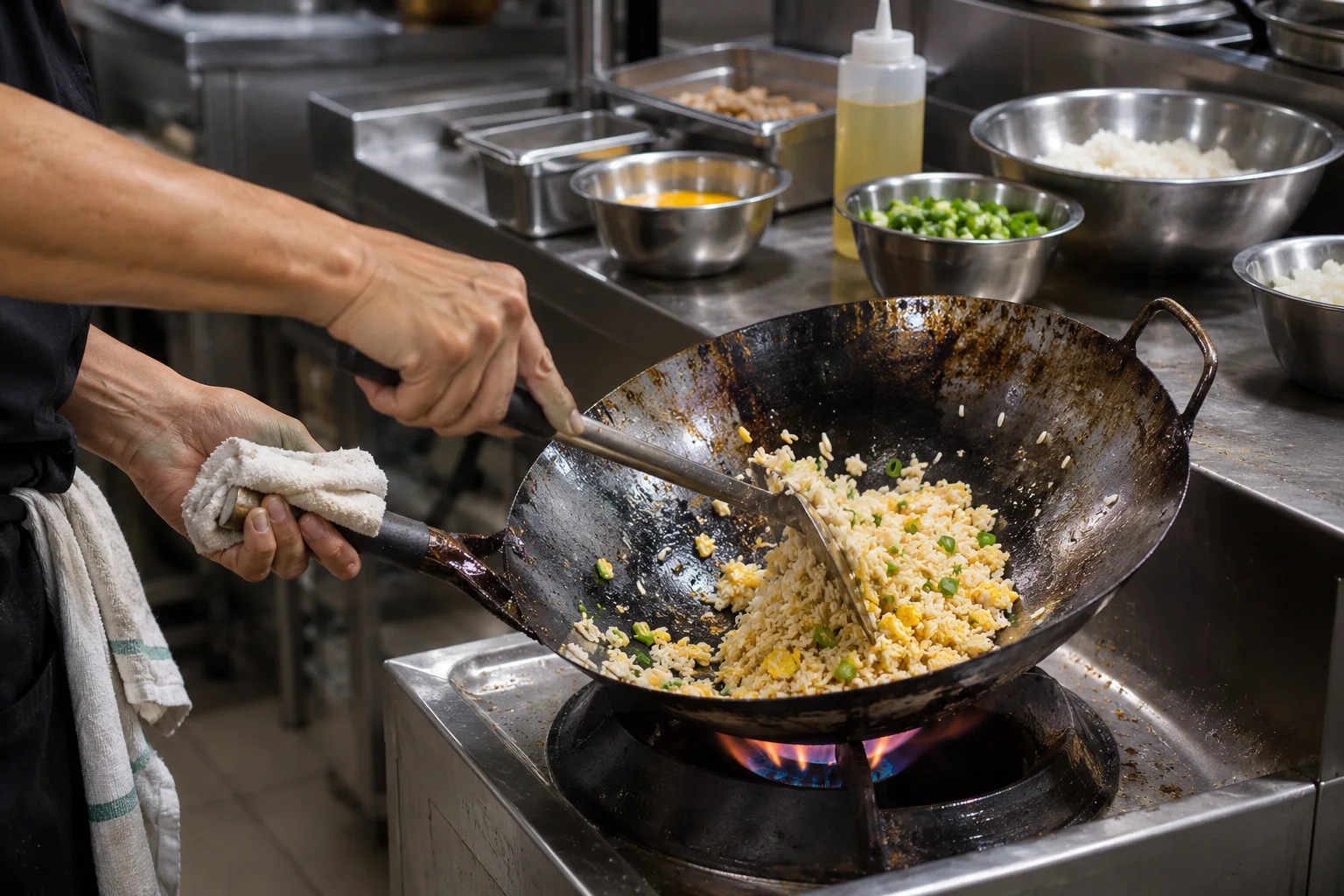
A professional kitchen supports the experience
THAM prepares its food in a professional kitchen. That distinction matters to the concept, but it should be understood precisely. It does not mean that a street stall is automatically careless, nor does a restaurant setting remove the need to ask questions. Bangkok has skilled cooks working in many formats. We describe our own preparation environment so visitors know what they can expect here.
Hygiene and cleanliness are priorities, and soups are made with spring water. The water choice is one specific part of the cooking process, not a shortcut for making broad claims about food safety. Our separate guide to THAM’s professional kitchen care looks closely at the preparation setting. This article has a different job: helping you understand how the kitchen, menu and dining room fit together during an ordinary visit.
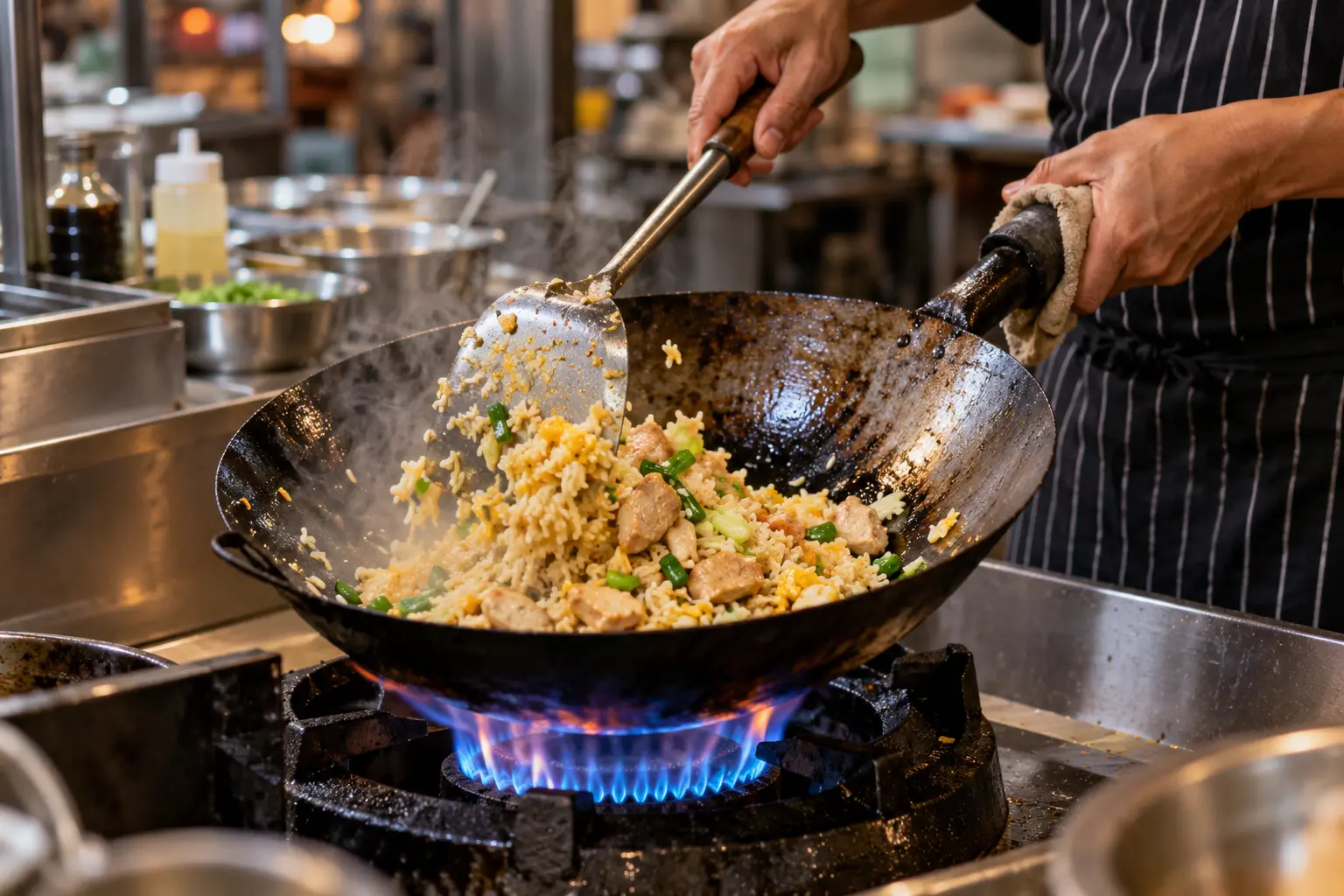
Professional preparation also makes planning visible. Ingredients are organised before the quick work at the wok begins; soup components have their own sequence; each order still depends on the exact dish.
One clear dish and one good question are enough to understand the idea.
Comfort is part of discovering unfamiliar food
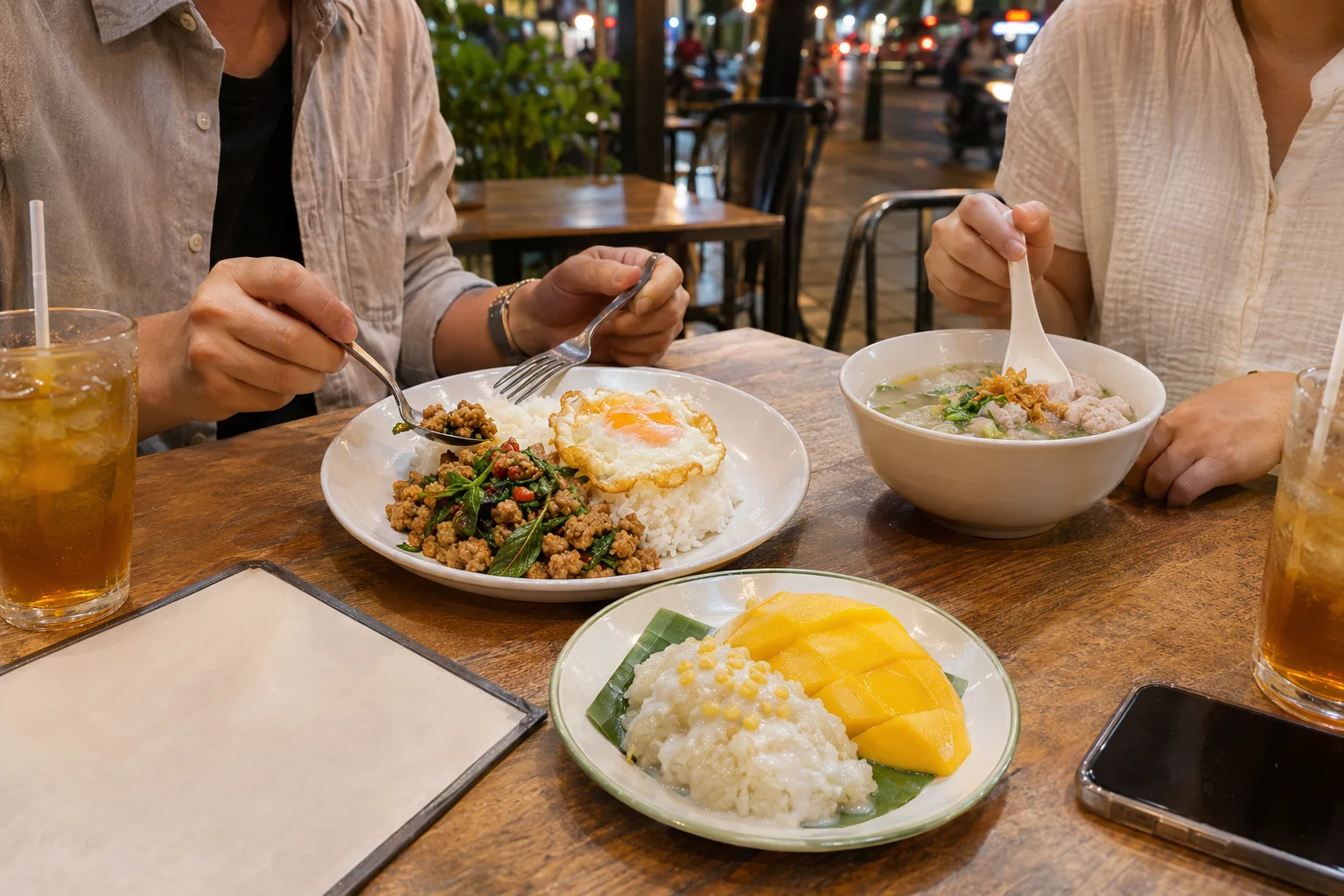
Practical details can decide whether a restaurant fits your evening. THAM has separate men’s and women’s toilets. No reservation is required for a normal visit. You can arrive during opening hours, read the menu and ask about a dish without turning dinner into a complicated plan. For travellers and first-time visitors, that clarity leaves more attention for the food.
Payment options include cash, cards, QR-code payments and Alipay, including Visa, Mastercard and American Express. These methods describe THAM specifically; they are not a rule for every street-food vendor in Bangkok. If one method is essential for you, confirm it with the team when you arrive.
The restaurant setting does not make the meal formal. Come as you are, choose one dish or share several, and use the spoon, fork or other utensils supplied for the food in front of you. The aim is a relaxed dinner with enough structure that you know where to sit, how to order and how to pay.
Spice level is a conversation, not a test
All THAM dishes are served non-spicy by default, with chilli available on request. That is especially helpful if you want to taste tamarind, ginger, holy basil, garlic or coconut without having chilli lead every bite. “Non-spicy” does not mean flavourless: sourness, fragrance, sweetness, pepper and texture still shape the meal. Our non-spicy Thai food guide explains the differences in more detail.
If you want heat, ask for it. If you are sensitive to black or white pepper, ginger or another warming ingredient, say that too; “no chilli” may not cover the sensation you are trying to avoid. When several people at one table want different levels, connect each request to the exact dish.
Allergies require a separate conversation. A mild dish is not automatically free from peanuts, egg, tofu, soy, fish sauce or other ingredients. Name what you must avoid and ask about the current recipe and preparation before ordering. A menu description and a photograph are useful introductions, not substitutes for checking your own requirements.
Build a meal without over-ordering
One bowl or plate is a complete way to begin. Solo diners might choose Khao Tom for broth, Chicken Khao Pad for wok-fried rice or Pad Thai for noodles. Two people can create contrast by ordering different foundations—a soup and a rice plate, for example—then decide whether dessert still appeals. The THAM dinner-for-two budget guide gives exact sample combinations if you prefer to calculate before visiting.
Dessert changes the texture of the meal. Mango Sticky Rice is 120 THB and combines ripe fruit, sticky rice and coconut. Coconut Ice Cream is 60 THB, while Khanom Tuay is 60 THB for three small cups. You do not need to order every sweet. Choose the finish that sounds right after your main dish, and remember that drinks and optional extras change the total.
Approachable individual prices make this style of ordering flexible. They do not promise a fixed budget for everyone, because appetite and additions differ. Check whether rice is included: Pork Pad Kra Pao, Garlic Pepper Chicken and Chicken Massaman are listed with rice, while Tom Yum with Prawns is not. Jasmine rice is available as an extra for 15 THB.
Plan a Yen Akat evening with the real details
THAM is at 15, 1 Yen Akat Road, Chong Nonsi, Yan Nawa, Bangkok 10120. Opening hours are Monday to Saturday, 8:00 PM to 1:00 AM; Sunday is closed. Because the closing time falls after midnight, think of it as a late-evening service that begins on the listed day. Leave enough time to arrive, choose and eat rather than treating 1:00 AM as an arrival target.
Dine-in is only one option. Takeaway and Grab orders are available, and hotel delivery can be arranged with the team. Confirm the hotel name and address, availability, timing, payment method and complete total before relying on an arranged delivery. The Visit Us and FAQ page holds the current directions, contact information and practical answers.
Yen Akat Road is the local anchor for the story. THAM’s “street kitchen” is not an abstract branding exercise; it describes how we want a real visit here to feel: direct enough for one comforting bowl, comfortable enough to ask questions, and flexible enough for different appetites and spice preferences.
What to expect when you walk in
Expect a restaurant setting rather than a pavement stall. Expect Thai favourites presented as individual menu choices rather than a prescribed sequence. Expect to be able to ask about chilli, ingredients and payment. Expect professional-kitchen preparation and ordinary facilities that can make an unfamiliar dinner easier. Most importantly, expect the phrase “street kitchen” to describe THAM’s own approach—not to rank Bangkok’s many other ways of eating.
Your first order can stay simple: choose broth, noodles or rice, tell the team what you need, and let the meal begin there. Curiosity works better than a checklist. On Yen Akat Road, one clear dish and one good question are enough to understand the idea.
KEEP YOUR CURIOSITY HUNGRY
Choose broth, noodles or rice, tell the team what you need and experience THAM’s street kitchen on Yen Akat Road.
Explore the THAM menuPhotography & credits
All three images are AI-generated editorial illustrations created for this guide. They are not documentary photographs of THAM, its venue or exact menu servings.
- A street-kitchen meal in Bangkok — AI-generated editorial illustration commissioned for THAM; not an exact venue or menu photograph.
- Professional wok preparation — AI-generated editorial illustration commissioned for THAM; not a documentary kitchen photograph.
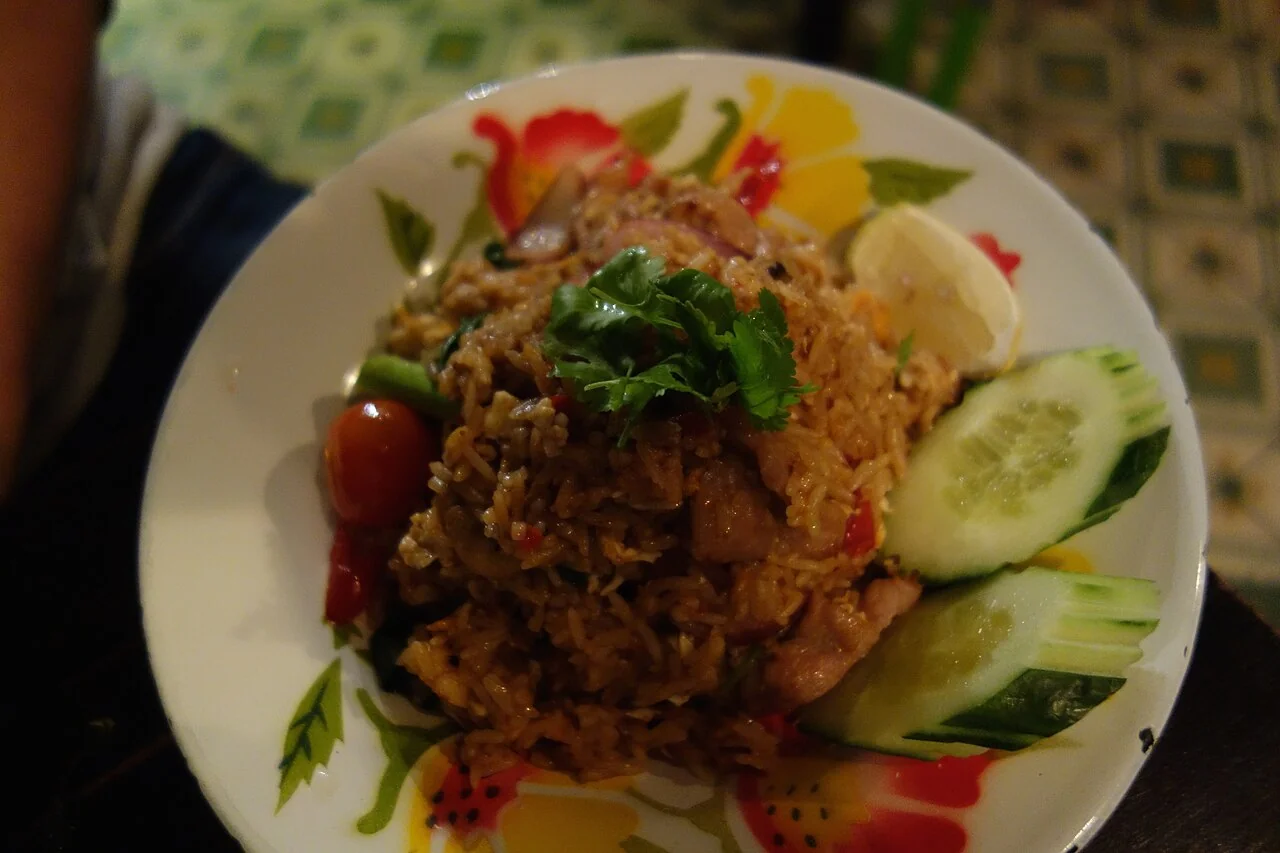
- A relaxed first street-kitchen visit — AI-generated editorial illustration commissioned for THAM; not an exact venue or menu photograph.