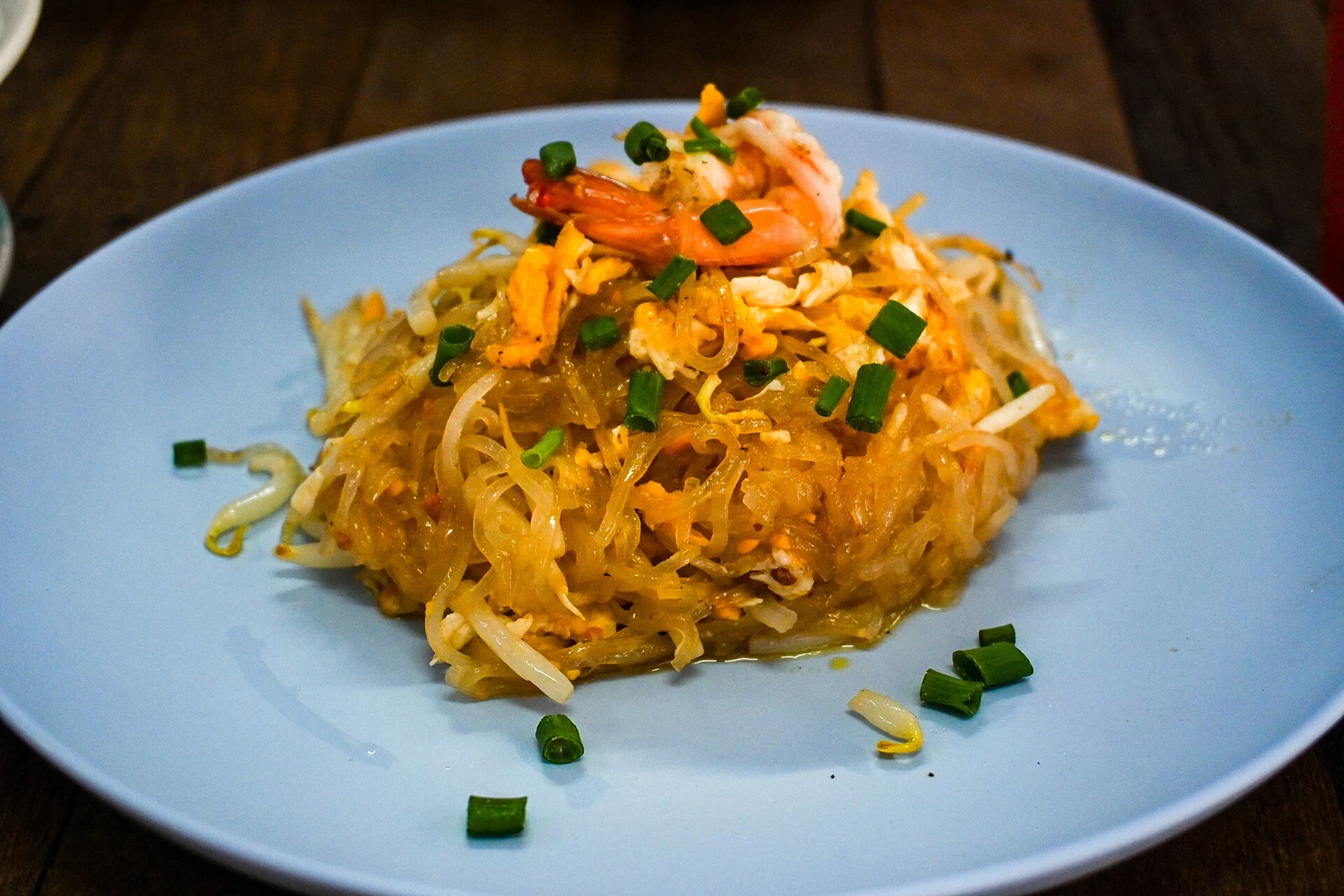
Say it: pat thai goong Approximate English sounds
Prawn Pad Thai is at its most inviting when the seafood still feels like a distinct part of the meal. You should be able to enjoy a prawn, then return to the noodles and find that the two belong together. The challenge is timing: noodles may need attention just when the prawns are ready, and an extra few minutes in the pan can change the character of dinner. The Thai name is ผัดไทยกุ้ง, pad thai goong. This guide follows the dish from ingredient choices to the moment it reaches the table, with particular attention to seafood texture and a lively, uncluttered presentation. It describes general cooking possibilities, not THAM's precise preparation.
Prawns belong to the dish's familiar vocabulary
Thailand's Department of Agricultural Extension describes Pad Thai using fresh prawns alongside rice noodles, egg, tofu and tamarind, with other ingredients and finishing accompaniments. That is a useful example of how naturally prawns fit the dish's recognised character. It does not mean every plate must follow one official formula. Department of Agricultural Extension's Pad Thai
Pad Thai's historical emergence is more complicated than a neat invention story. Thailand NOW associates its development with twentieth-century noodle promotion while discussing differing accounts. Thailand NOW's historical discussion
For the diner, those two observations can coexist: prawns are a familiar part of the dish today, and its history still deserves cautious language. Enjoying that continuity does not require claiming that every detail of a current serving is ancient or unchanged.
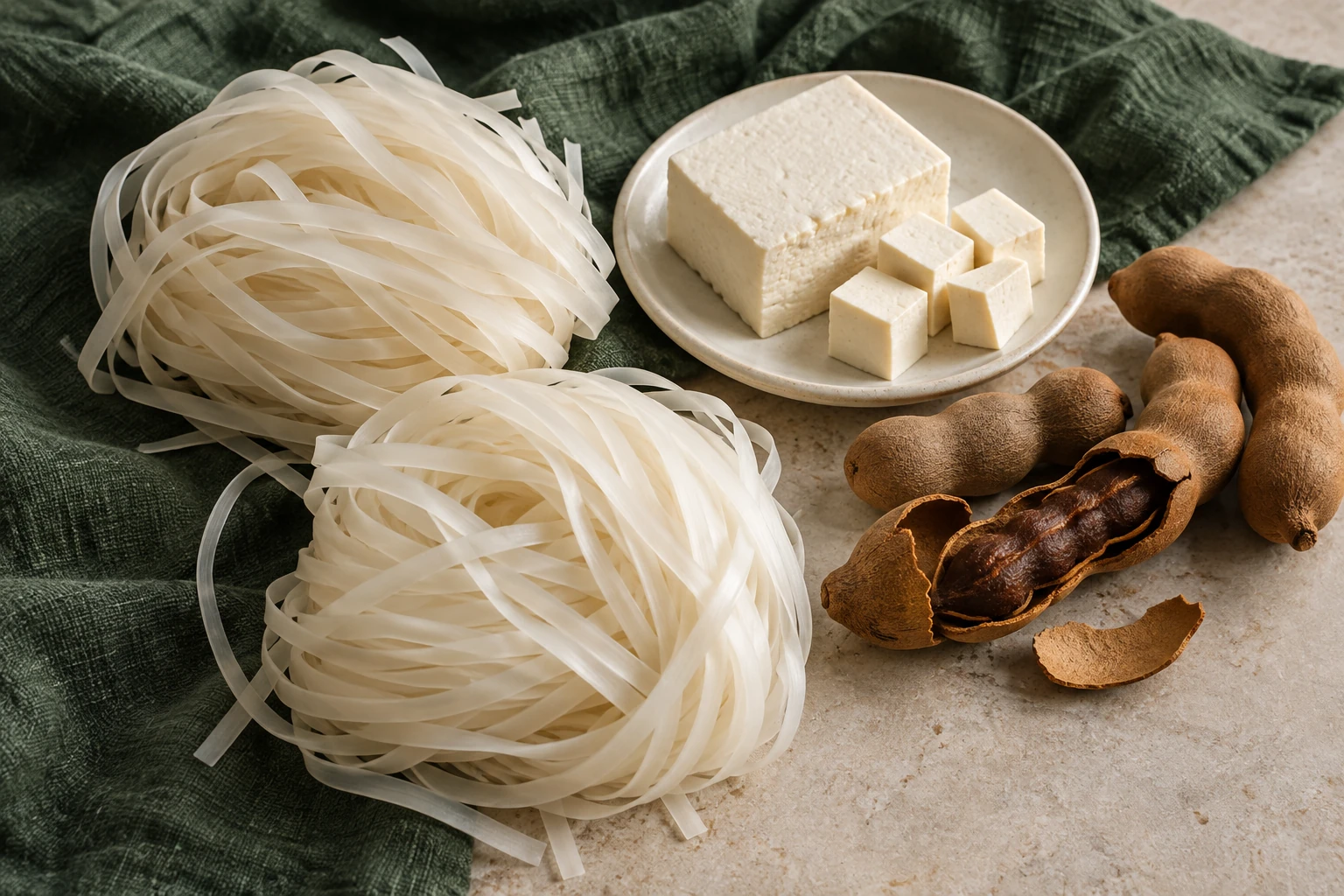
Think about the prawns before the pan
Decide what you want the seafood to contribute. Several smaller pieces distributed through the noodles produce a different experience from a few larger prawns placed where they can be eaten individually. Size also affects how you organise the cooking, so it should be part of the plan rather than a detail noticed halfway through the stir-fry.
When buying for a home meal, make sure you understand whether the prawns are raw or already cooked and whether preparation such as peeling remains to be done. A method written for raw prawns should not be applied mechanically to cooked ones. Keep the packaging until you have resolved those questions. The aim is to begin the active cooking stage with a clear ingredient, not a bag that still needs investigation while the noodles wait.
Texture matters more than a dramatic colour
A pink exterior alone is not the complete question. FoodSafety.gov describes cooked shrimp as having pearly or white, opaque flesh. Use that guidance rather than relying on the shape of the curl as a supposed universal test. FoodSafety.gov seafood guidance
For eating quality, pay attention to the distinction between a substantial bite and a tough one. The prawn should feel worth pausing for. If the seafood in a home attempt seems firmer than you intended, record when it entered the pan and how long it remained there while you worked on other components. That chronology is more useful than immediately changing the sauce. It may reveal that a noodle adjustment quietly became extra seafood cooking time.
Make the seafood timing intentional, so the prawns keep their own presence on the plate.
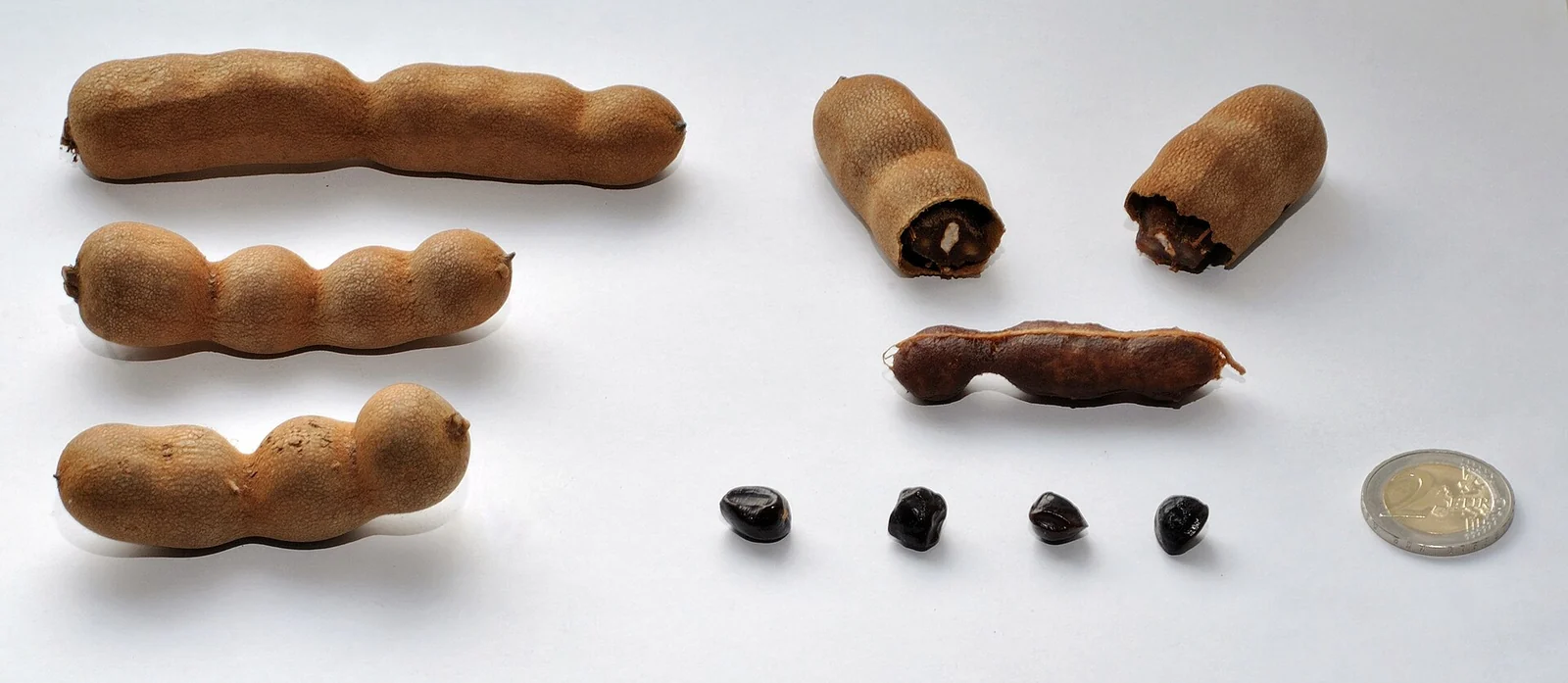
Give the seafood its own cooking decision
One useful home approach is to cook the prawns separately within the overall preparation, place them on a clean plate and bring them together with the finished noodles near serving. That gives you a way to respond if the noodles need longer than expected, without asking the seafood to wait in the hot pan throughout.
This is an editorial preparation option, not a claim that all street cooks work that way. ThaiTable's Pad Thai method illustrates a different sequence, adding shrimp after the egg and noodles have already entered the cooking process. ThaiTable's Pad Thai method
Choose one coherent method for your ingredients and equipment. The principle is to make the timing intentional. Switching approaches halfway through is much harder than deciding in advance where the prawns fit in your sequence.
The noodle base should support the seafood
The noodles still matter, but here their role is to create a satisfying base around the prawns. ThaiTable describes a relatively dry, light-bodied Pad Thai and emphasises that the prepared noodles should remain firm enough to complete cooking in the pan. ThaiTable's noodle guidance
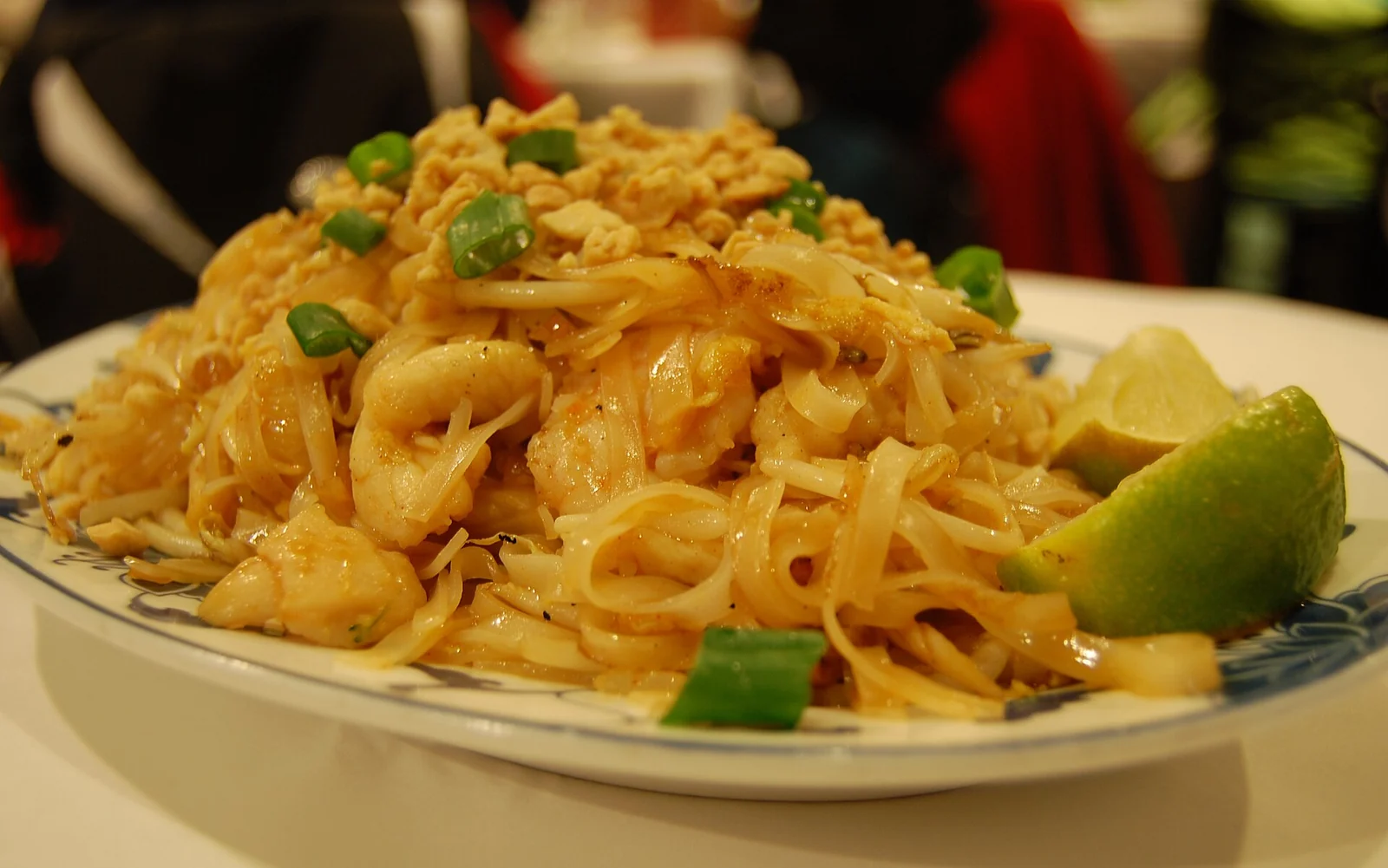
When planning a home portion, leave physical and visual space for the seafood. A large mound can hide carefully cooked prawns and make the plate awkward to eat. Try placing the noodles so they can be gathered easily, with the prawns distributed where they remain visible. You do not need a restaurant mould or elaborate arrangement. The useful question is whether someone can understand the meal at a glance and collect a comfortable bite without dismantling the whole plate.
Sauce connects the components
Tamarind brings sourness to a familiar sweet, savoury framework. A separate sauce preparation can make the final cooking easier to manage, as Pailin Chongchitnant demonstrates in her make-ahead Pad Thai sauce guide. Pailin's Pad Thai sauce
For the prawn version, consider the sauce as a connection between ingredients rather than a blanket covering them. Taste a little noodle with a piece of prawn before deciding the plate needs stronger seasoning. If you taste only the noodles, you may miss how the seafood changes the impression of the next bite.
At home, use one sauce recipe with the quantity of noodles it was designed for. Keep the first attempt straightforward. A later adjustment can respond to what you actually tasted instead of an imagined ideal borrowed from several different restaurant meals.
Egg, tofu and finishing contrasts
Egg and tofu give the plate additional textures between the noodles and prawns. Their presence helps the dish feel varied even before any garnish is considered. The Department of Agricultural Extension's example also includes shallots, bean sprouts, peanuts and lime, illustrating a broader ingredient vocabulary around the main components. These are general examples, not extra claims about THAM's menu. The department's ingredient overview
Leela Punyaratabandhu's discussion of Pad Thai ingredients similarly draws attention to the accompaniments associated with Bangkok street versions. Leela's ingredient discussion
The practical lesson for a home plate is to give each finishing ingredient a reason to be there. Contrast should remain edible and useful. A garnish that makes the dish difficult to approach has stopped helping, however attractive it looked before anyone picked up a fork.
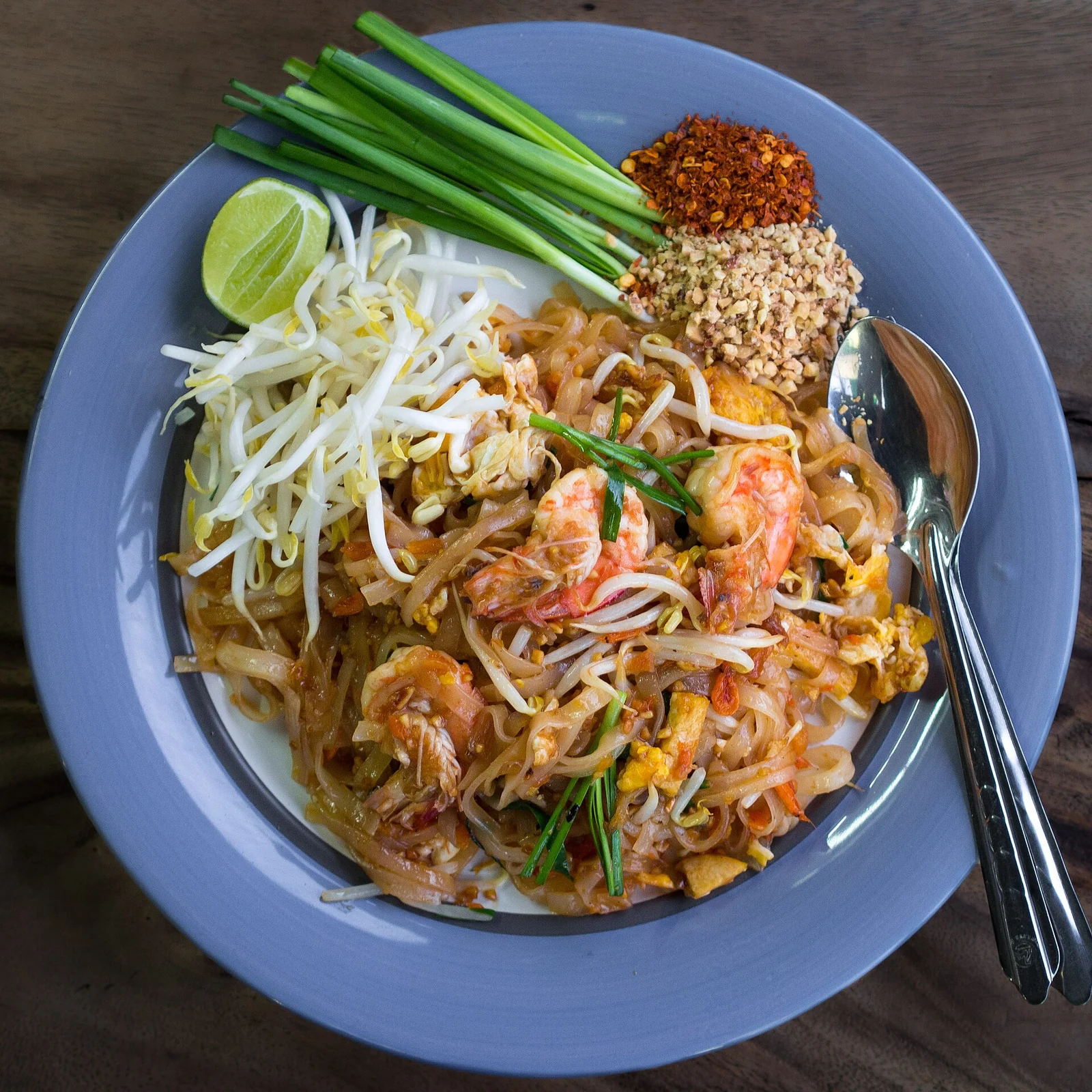
Street-food presentation is an eating idea
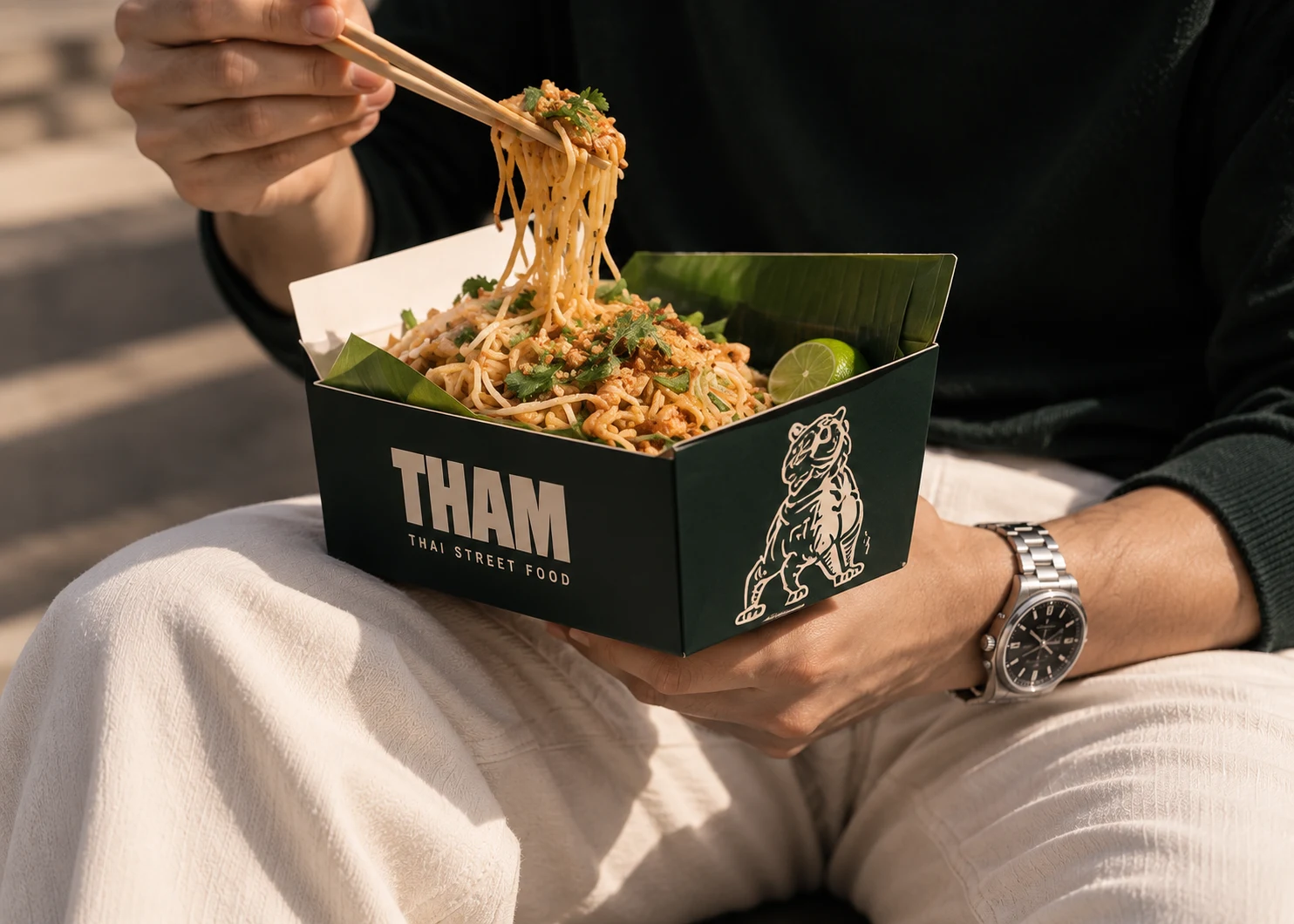
The appeal of a street-food plate is not something you can reproduce simply by choosing a particular bowl or lining it with a leaf. A more useful home interpretation is immediacy: prepare a portion that can be enjoyed as soon as it is ready, with any optional accompaniments accessible beside it.
Set the table before you begin the final cooking. Put condiments where diners can reach them and leave enough clear space to eat comfortably. If you are photographing the dish, take one quick image and let dinner proceed. Presentation should lead into eating while the contrast between components is still clear.
This also gives every diner a little control. Someone may prefer to begin with the noodles, another with a prawn. A thoughtful plate accommodates both without requiring instructions about the supposedly correct first bite.
Variations and the questions to ask
Prawn Pad Thai can vary in seafood size, noodle preparation and finishing ingredients. A different presentation does not by itself establish a better or worse version. When comparing plates, focus on what you value: distinct prawns, a sauce you enjoy, comfortable noodle texture and a proportion that suits your appetite.
Allergy questions require more precision. Prawns are crustaceans; egg and tofu are also listed in many versions. Ask about the actual sauces, peanuts or other toppings, and shared preparation equipment if they are relevant to you. Removing prawns from a finished dish would not make it a reliable alternative for someone avoiding shellfish. Likewise, a rice-noodle description cannot establish everything else in the pan. Explain the specific requirement before ordering and allow the kitchen to answer about its own preparation.
Prawn Pad Thai at THAM
THAM lists Prawn Pad Thai at 170 THB, with rice noodles, prawns, egg, tofu and tamarind. You can add four extra prawns for 45 THB. That makes the seafood option straightforward to compare with the chicken version without assuming that the two plates have identical textures or eating experiences.
THAM serves its dishes non-spicy by default; request chilli if you would like it. Discuss allergies with the team before ordering. The accompaniments mentioned elsewhere in this guide describe broader examples and are not a promise of additional THAM ingredients.
Choose this version when the prawns themselves are part of what you want to enjoy. Give them a moment of attention, then taste them with the noodles. The pleasure is in that relationship: seafood with its own presence, within a complete and satisfying plate.
KEEP YOUR CURIOSITY HUNGRY
Taste a prawn on its own, then with the noodles: the pleasure is in that relationship.
Explore the THAM menuRead further
Photography & credits
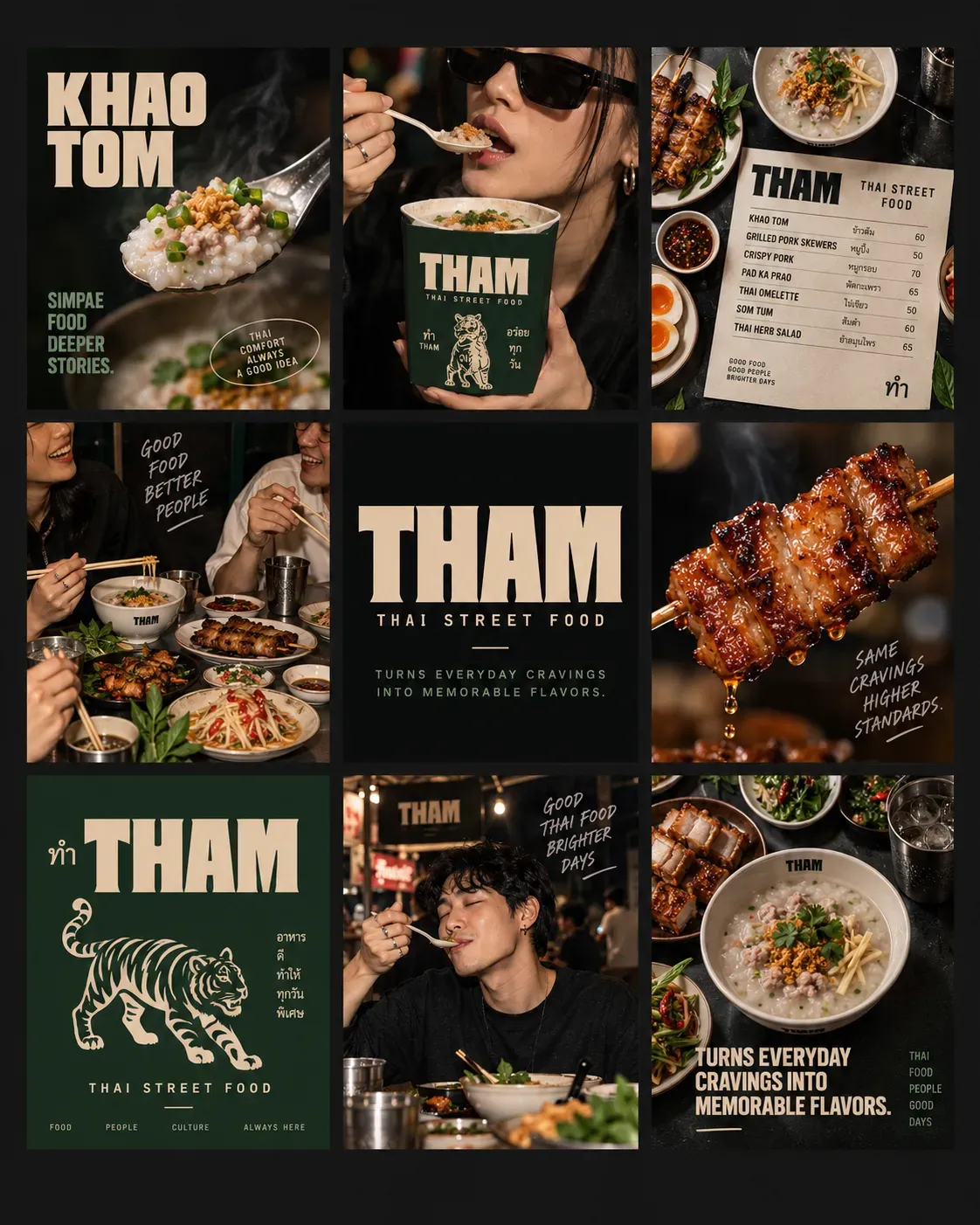
Editorial photographs illustrate Thai food and culture. THAM lifestyle images are creative brand imagery, including AI-generated scenes; they do not document the restaurant, its location or exact servings.
- Pad Thai with prawns in Bangkok — ProtoplasmaKid. CC BY-SA 4.0. Resized and compressed for the web.
- Rice noodles, tamarind and tofu — THAM — AI-generated food illustration.
- Tamarind pods, pulp and seeds — kaʁstn (Carschten). CC BY-SA 3.0 de. Resized and compressed for the web.
- Prawn pad Thai from a street stall — Takeaway. CC BY-SA 3.0. Resized and compressed for the web.
- A mound of pad Thai — Stu Spivak. CC BY-SA 2.0. Resized and compressed for the web.