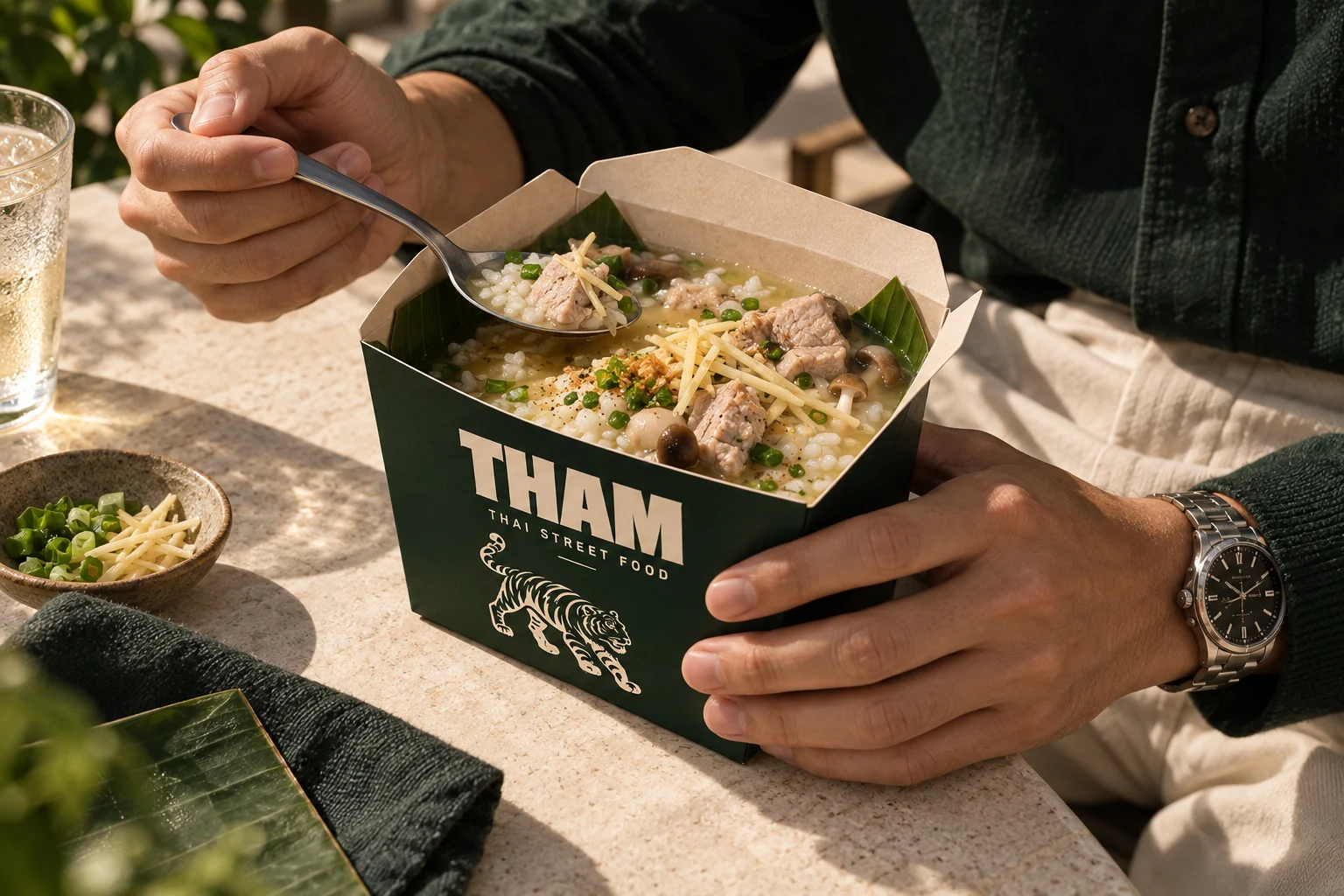
Not every memorable Thai dish arrives with a dramatic flash of chilli. Some arrive quietly, in a bowl of rice and broth that asks you to slow down. Khao tom belongs to that quieter conversation. It is gentle without being empty, familiar without being dull, and especially rewarding when you pay attention to the small things: the grain, the ginger, the broth and the way they meet on a spoon.
Two bowls, two different textures
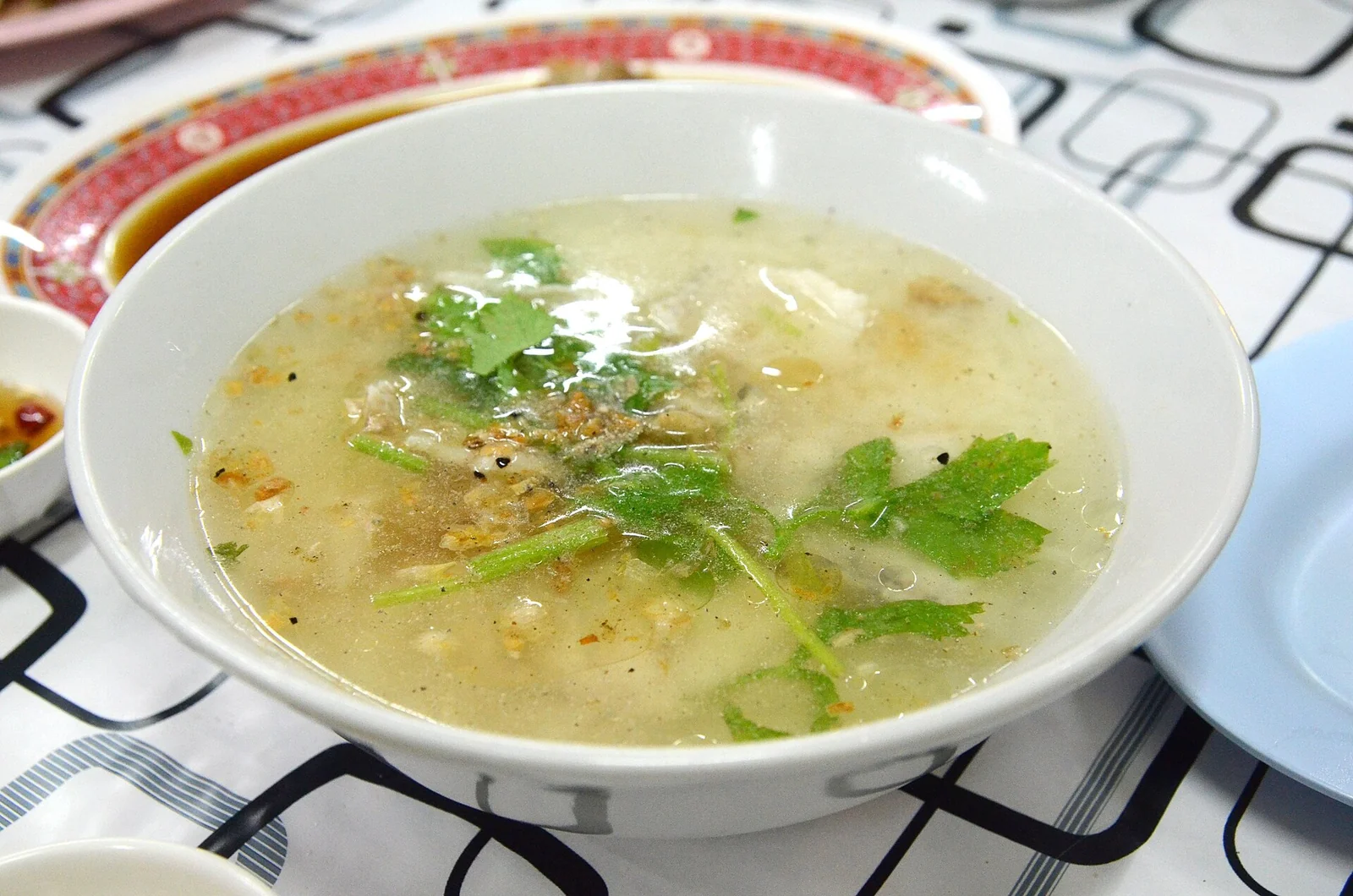
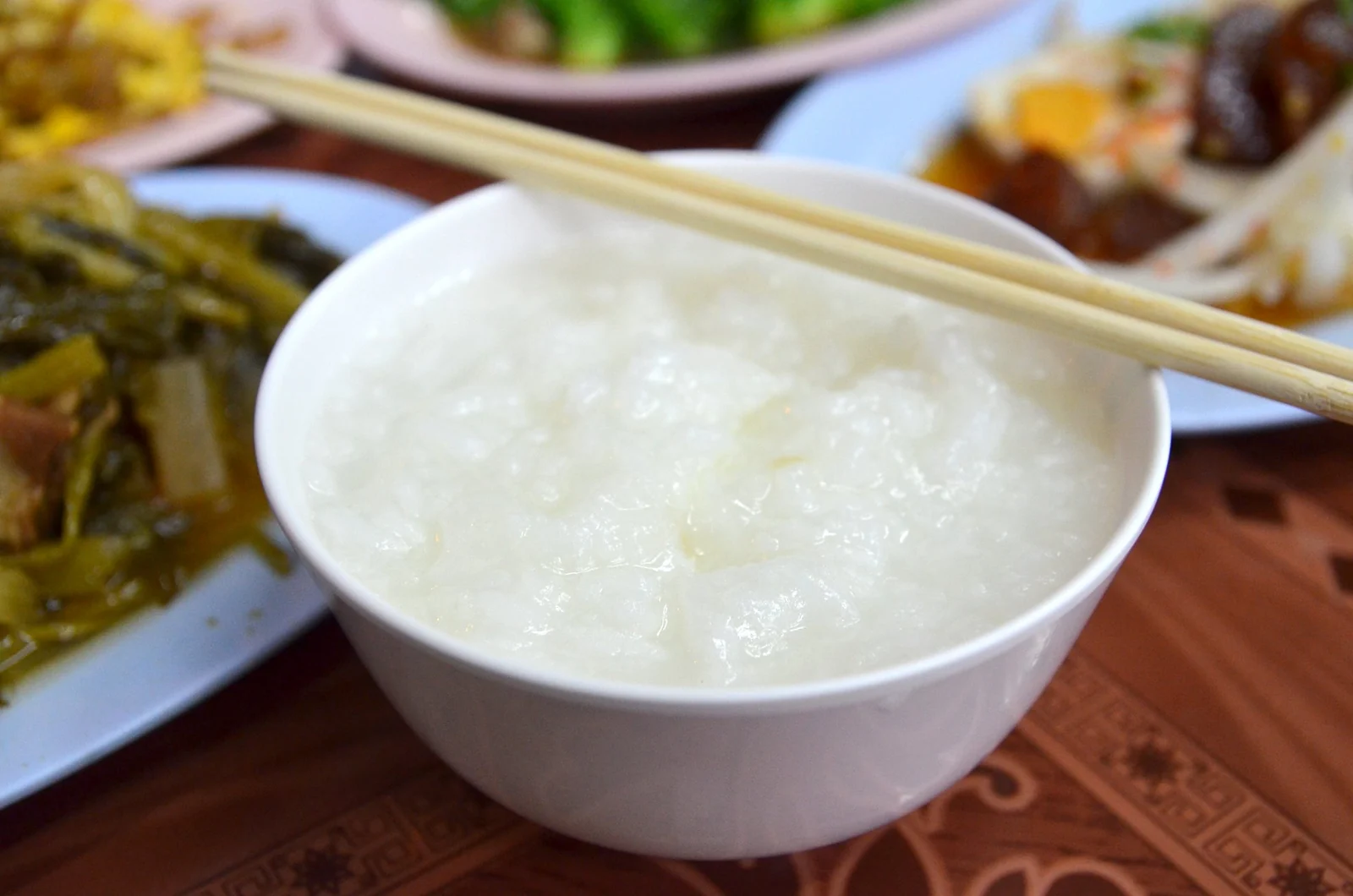
Khao tom and jok are often translated into similar English phrases: rice soup, rice porridge or congee. Those translations can blur a useful distinction. In khao tom, recognisable rice grains sit in broth. Jok is cooked towards a thicker, more unified porridge. If you imagine lifting a spoon, khao tom lets liquid move around the grains; jok gives you a softer, more continuous mouthful.
Neither texture is the upgraded version of the other. They answer different appetites. Choose a brothy bowl when you want a soup you can sip between bites. Choose a thick porridge when you want the rice itself to become the body of the dish. The names are worth remembering because they tell you more than the broad English word “comfort”.
Rice is doing real work here
Rice is easy to treat as a background ingredient until the bowl gives it so much space. Try noticing whether the grains still have a little definition, how much broth clings to them and how their mild flavour changes the stronger ingredients around them. A spoon containing mostly rice will taste different from one carrying ginger or a piece of pork. That variation is part of the pleasure.
Rice also continues absorbing liquid as it sits. A bowl can become thicker between the first spoonful and the last. For a home cook, that means timing matters: keeping cooked rice separate from broth until closer to serving preserves a soupier texture. For the diner, it is simply another reason to enjoy the bowl while it is freshly served rather than waiting for the perfect photograph.
A whole world of small additions
Thai cook Pailin Chongchitnant’s rice-soup and jok recipes show how much character can come from a compact group of aromatics. Garlic, white pepper, ginger, herbs and savoury seasonings can each take a turn. Fish, prawns and pork appear in different versions. A rice soup is a format with possibilities, not a single recipe that every kitchen must reproduce.
THAM’s signature combines minced pork, rice, chicken broth, shiitake and ginger. That is the version to expect here. In the wider story, the fish rice soup pictured above shows another direction, while a plain rice bowl leaves even more space for accompanying dishes. Keep those distinctions in mind: the photographs explore the food culture, rather than showing the exact plate you will receive at THAM.
Simple food rewards a little attention.
Comfort does not need a clock
Jok is strongly associated with breakfast, but a soft rice bowl need not belong only to the morning. The appeal is less about the hour than the kind of meal you want. After a long day of walking, shopping or moving between unfamiliar streets, something warm and easy to navigate can feel particularly welcome. That is a dining preference, not a claim about what the soup can cure.
Consider changing the order of your tasting. Sip the broth first. Taste a little rice on its own, then try the pork or mushrooms. Finally, gather them together. You have effectively met the ingredients separately before hearing the whole conversation. It takes only a few spoonfuls and makes a seemingly simple dish much more vivid.
Ginger, mushrooms and the gentle end of flavour
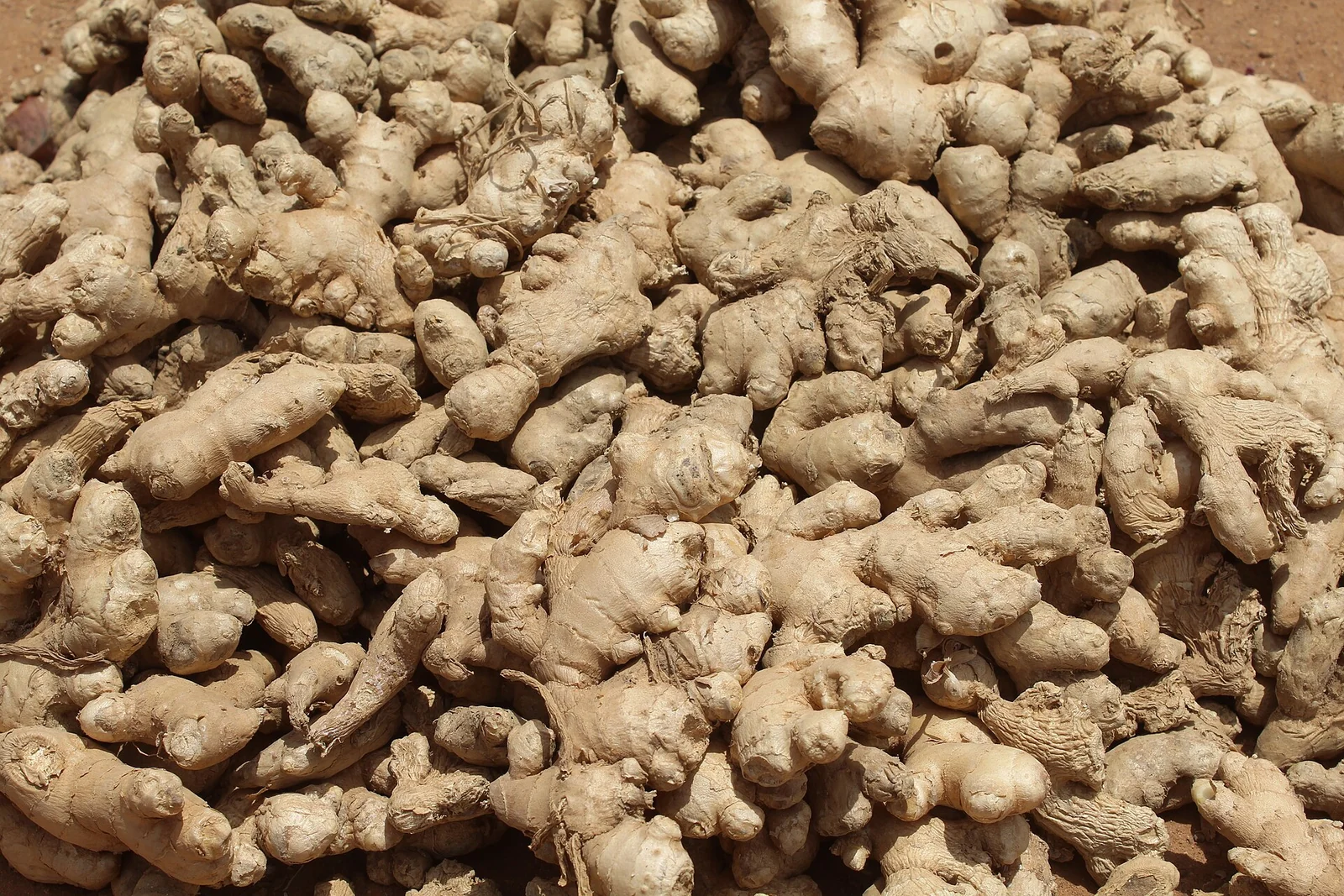
Ginger gives THAM’s bowl a warm aromatic note. Shiitake brings an earthy contrast to the rice. Neither needs a heavy hand to be noticeable. When the flavour around an ingredient is relatively gentle, its particular character becomes easier to find. This is a useful lesson to take home: adding more ingredients is not always the best way to make a dish interesting.
If you are travelling with someone who prefers less heat, rice soup can be a useful starting point for a conversation with the kitchen. Still ask about the specific recipe rather than assuming every version will suit every diner. At THAM, dishes are non-spicy by default, and the menu lists the signature bowl’s ingredients and available extras clearly.
Your next bowl, your own way
Learn the short name first: ข้าวต้ม, approximately “khow tom”. The English sound guide is only a starting point; Thai tones and vowel lengths carry details it cannot capture. You do not have to pronounce everything perfectly to be interested. Reading the name, trying it and listening to the reply can become a small part of the meal.
At THAM, you can add three pork meatballs, a poached egg or extra mushrooms, with the prices shown beside the dish. Start with the bowl that appeals to you, then add something because you want its flavour or texture. The point is a satisfying meal. Sometimes that means a table full of discoveries. Sometimes it means rice, broth, a spoon and a little time.
KEEP YOUR CURIOSITY HUNGRY
Our signature is pork, rice, chicken broth, shiitake and ginger. Meet your next comforting bowl.
Explore the THAM menuRead further
Photography & credits
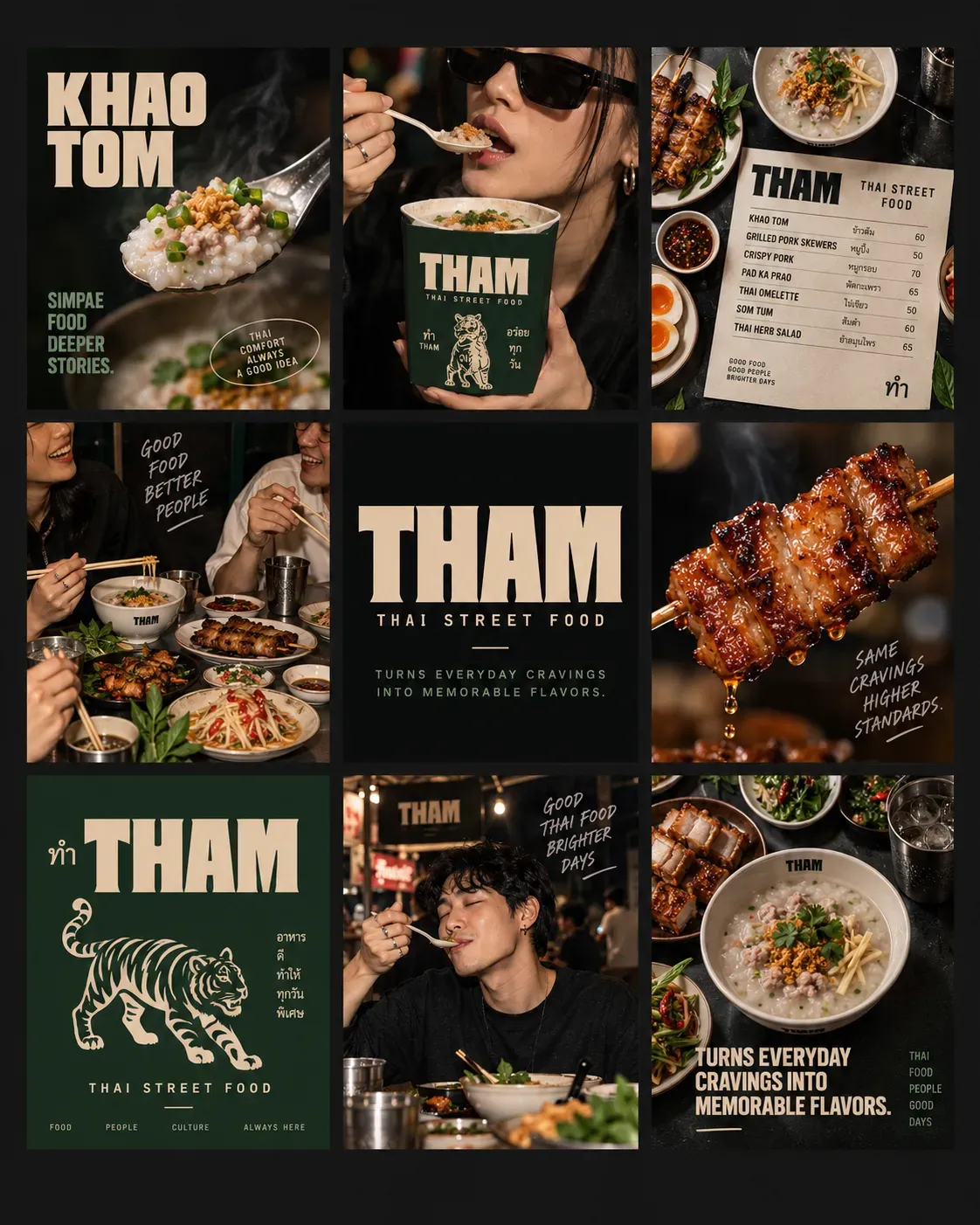
Editorial photographs illustrate Thai food and culture. THAM lifestyle images are creative brand imagery, including AI-generated scenes; they do not document the restaurant, its location or exact servings.
- A quiet comfort moment — THAM — AI-generated lifestyle illustration.
- Khao tom pla rice soup with fish — Takeaway. CC BY-SA 3.0. Resized and compressed for the web.
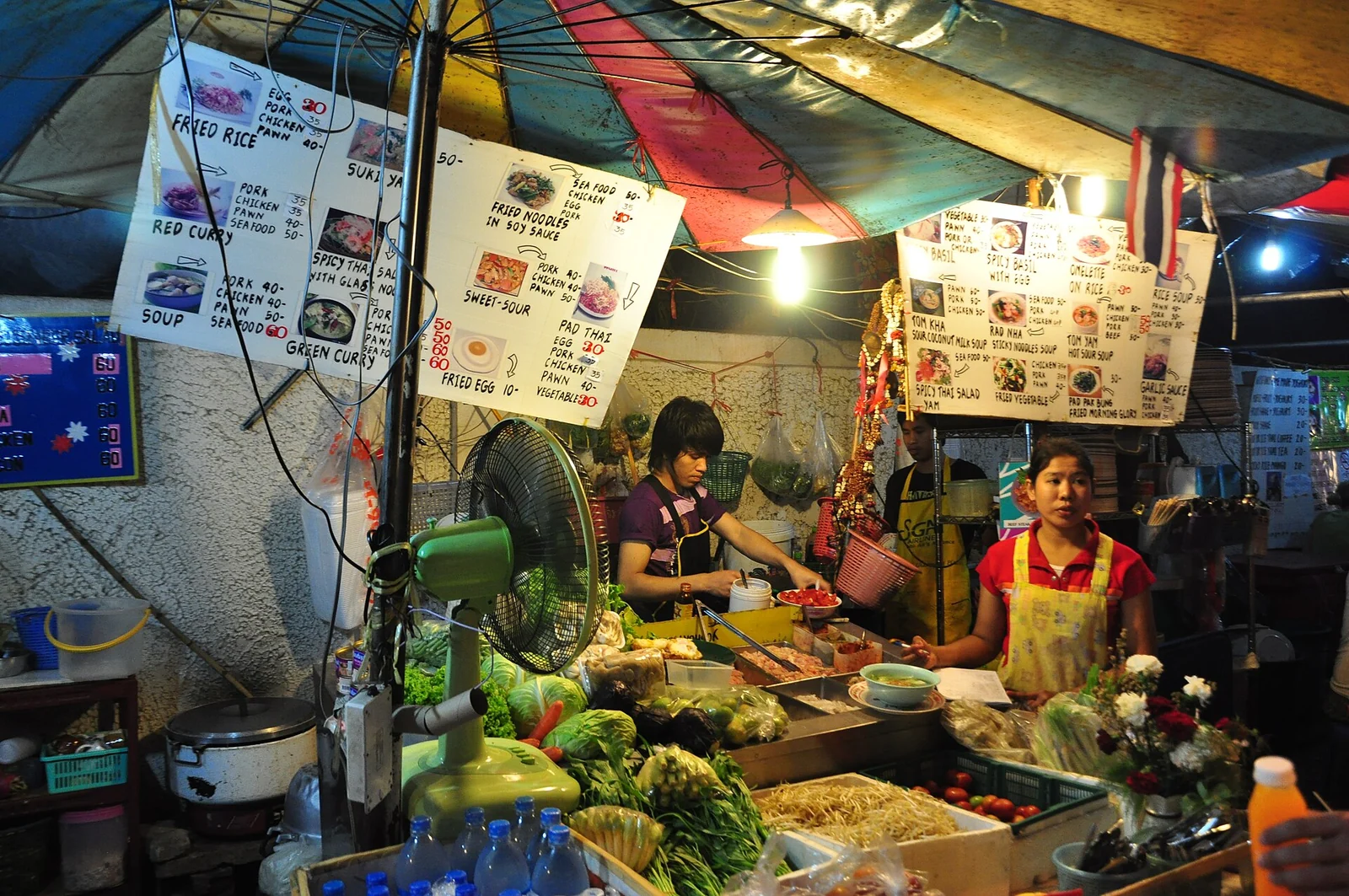
- Khao tom vendor — eric molina from New York City, United States. CC BY 2.0. Resized and compressed for the web.
- Fresh ginger rhizome — Friday musa. CC BY-SA 4.0. Resized and compressed for the web.
- Khao tom kui plain rice congee — Takeaway. CC BY-SA 3.0. Resized and compressed for the web.