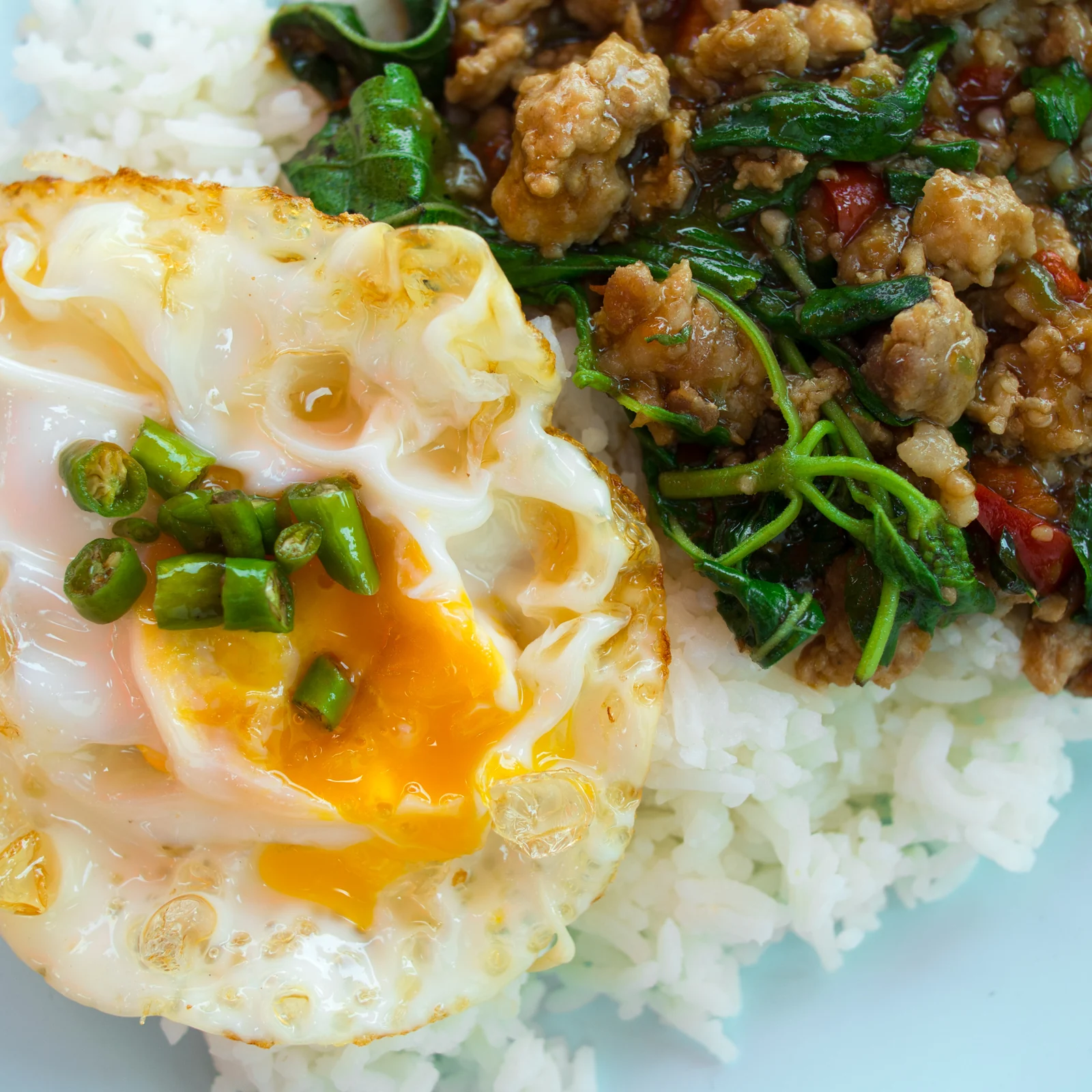
A plate of pad kra pao can look straightforward: rice, a savoury stir-fry and perhaps a fried egg. Then the basil reaches you. That distinctive aroma is the clue to the dish’s identity. Before asking how hot it should be or which protein is best, it is worth meeting the leaf that gives this everyday favourite its name. There is a lot going on in a small handful of green.
Meet the basil in the name
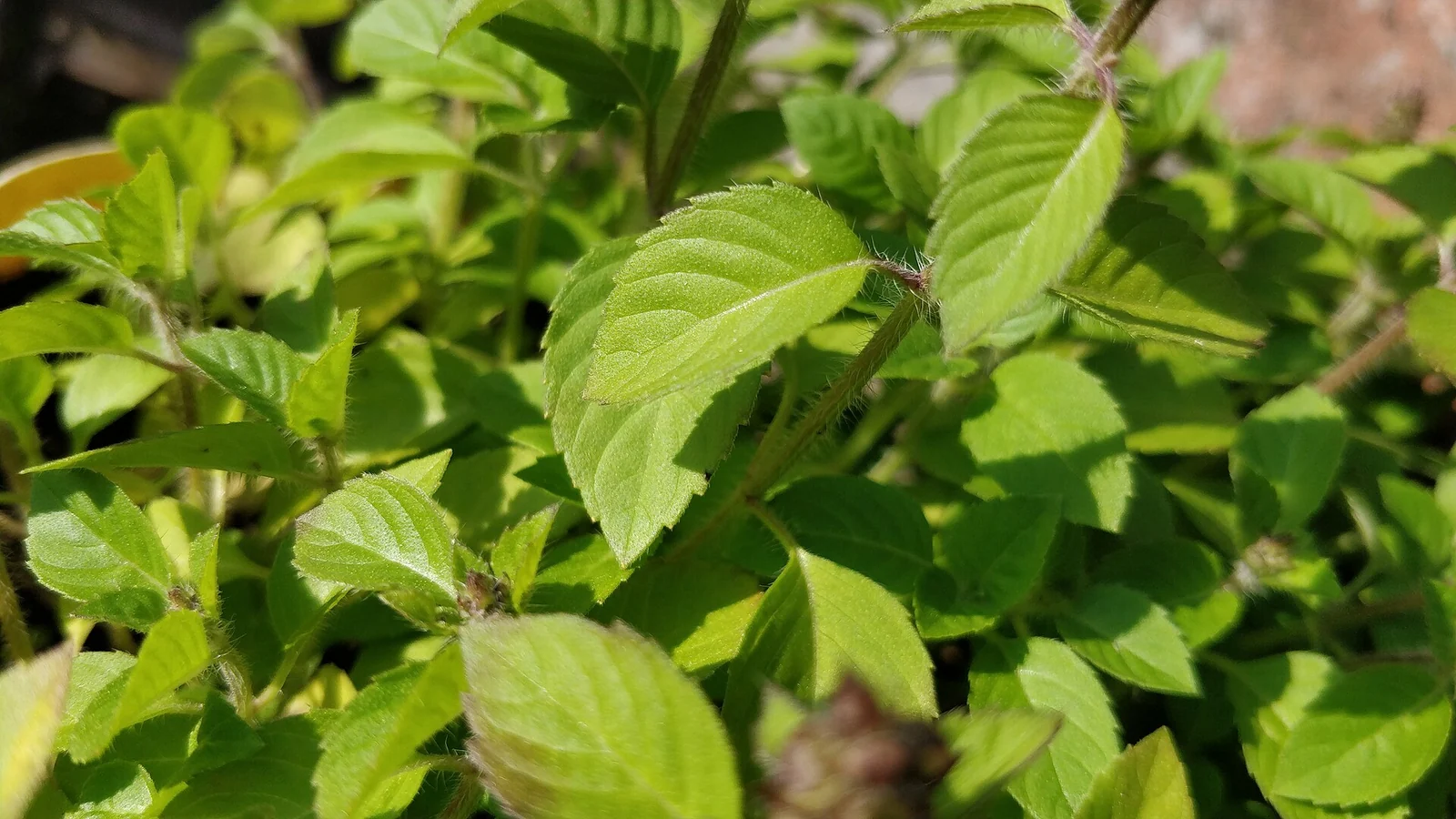
Krapao, gaprao and kra pao are different English spellings you may see for กะเพรา, holy basil. It has a peppery character that differs from horapha, the Thai basil often recognised for its anise-like fragrance. Both belong in the Thai kitchen, but they do different jobs. If a menu simply says “Thai basil”, you may need a little more information to know which herb it means.
For a first tasting, give the basil a moment of attention before the rice and sauce become one satisfying mouthful. Notice its fragrance as the warm plate arrives. Then find a leaf among the meat and taste it with a small amount of rice. You are not looking for a correct tasting note; you are learning the feature that makes this dish recognisable.
The everyday order with many versions
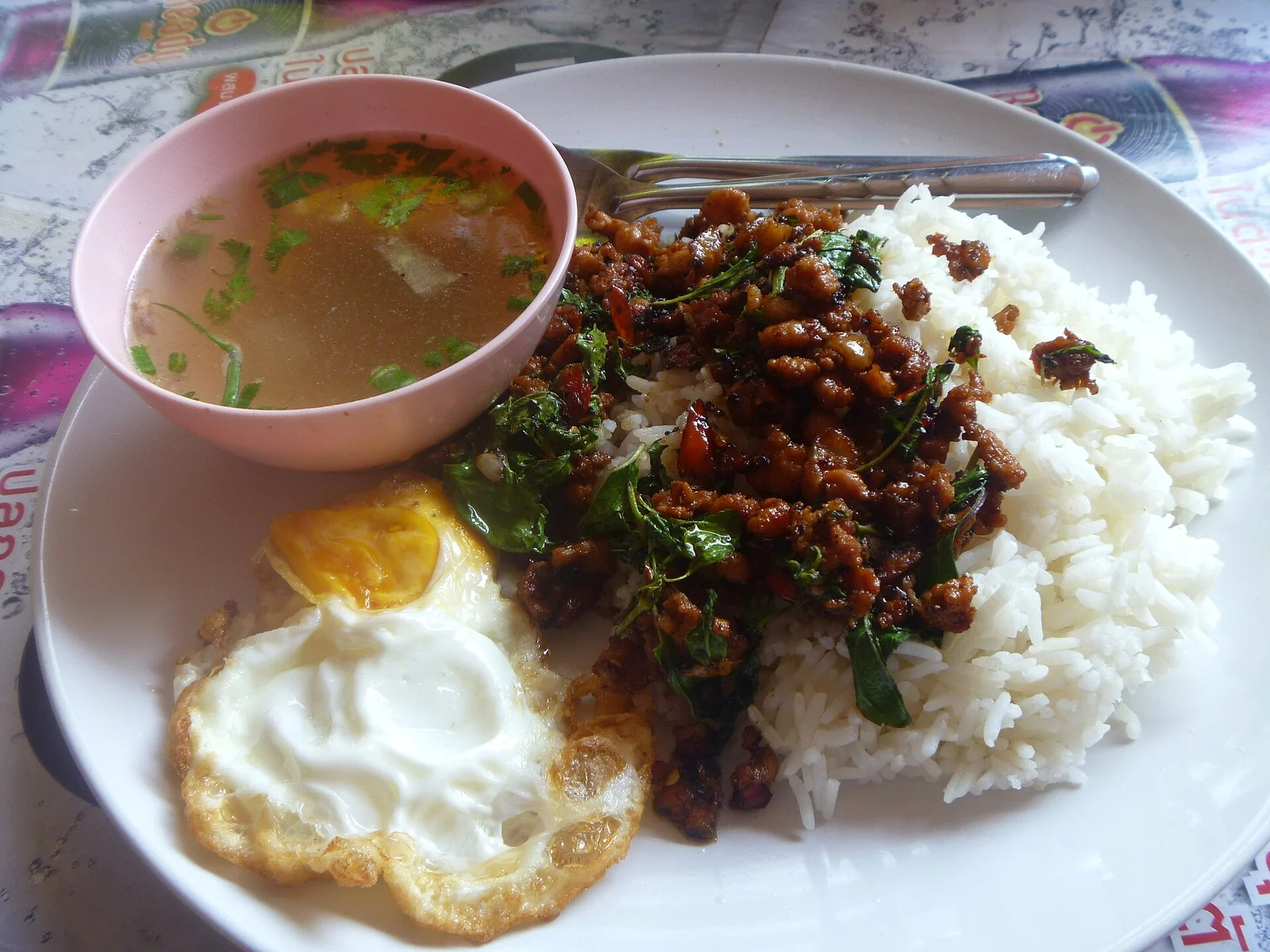
Pad means stir-fried. The rest of the name can tell you the protein: moo for pork, gai for chicken, goong for prawns. The familiar English spellings vary, so do not let one menu’s “gaprao” and another’s “kra pao” send you searching for two unrelated dishes. Look at the Thai name, the protein and the ingredient description together.
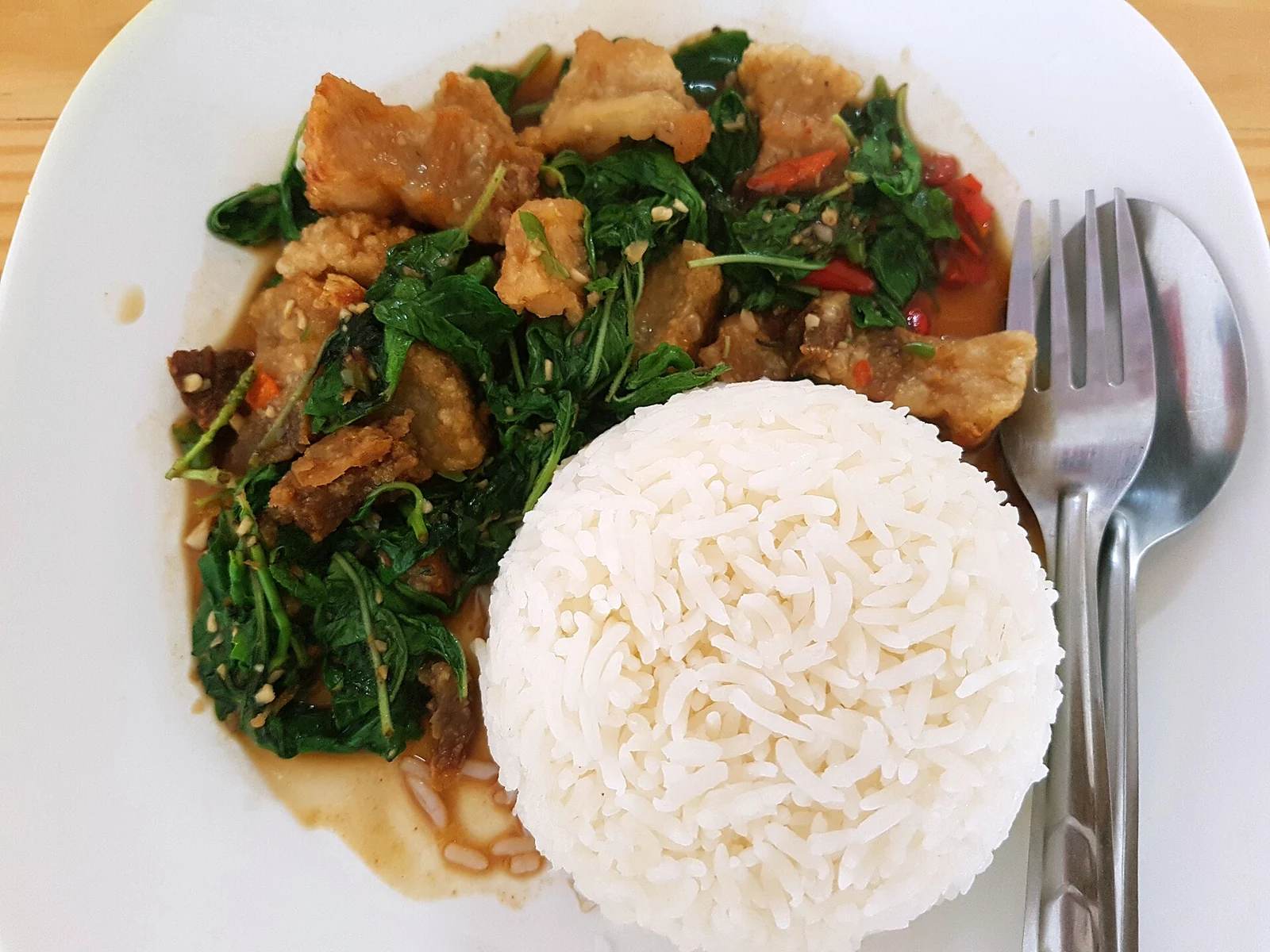
Versions can use minced meat, sliced meat, seafood or crispy pork. Thai cooks also differ in their preferred seasonings and texture. These differences are a good reason to keep exploring, rather than a reason to appoint your first plate as the only correct one. Compare the balance and the way the sauce coats the food. Ask what the kitchen is making, then enjoy that version on its own terms.
Rice and egg change the experience
Rice gives the savoury stir-fry a quieter partner. Alternate a concentrated bite of the main dish with one that includes more rice and the balance changes immediately. An egg adds another texture and another way of bringing the plate together. You may prefer a small piece of egg in every bite or save it for contrast as you move through the meal.
When ordering, check whether the egg is included or an extra. A photograph of a dish does not settle what comes with your order. The photographs in this story show examples from outside THAM, including different pork preparations. At THAM, rice is included with Pork Pad Kra Pao; a fried egg is available as an add-on. The menu gives you the actual serving details.
Follow the basil. Find your favourite.
Heat is a preference, not the whole dish
Chilli is closely associated with many versions of pad kra pao, but heat is only one element. Garlic, basil, savoury sauce, the texture of the meat and the rice all contribute. A less hot plate can still give you plenty to notice. You do not need to ask for the maximum amount of chilli to take the food seriously.
THAM serves all dishes non-spicy by default. For our Pork Pad Kra Pao, ask for chilli if you would like it. When ordering elsewhere, say what you prefer before the cooking begins and check what the kitchen can adjust. “A little” means different things to different people, so a clear conversation is more useful than a competition over who can handle the most heat.
Finding holy basil for your own kitchen
If this is the flavour you want to recreate at home, start by finding the right herb. An Asian grocery may distinguish holy basil from other basils by name, packaging or a Thai label. Use กะเพรา as a helpful reference. Ask the seller if you are unsure; a leaf’s appearance in a quick phone picture is not always enough to identify it confidently.
If you substitute another basil, describe the result honestly as your adaptation. It may still make a delicious dinner, but the fragrance will change. This is a useful cooking principle beyond one dish: learn what an ingredient contributes before replacing it. Sometimes the closest-looking option is less helpful than understanding the role you are trying to preserve.
One dish, a new way to pay attention
Try saying ผัดกะเพราหมู, approximately “pat ga-prao moo”, for the pork version. The sound guide leaves out the precision of Thai tones, so listen as well as read. Even learning the final word can help you recognise different proteins across a menu. Little by little, names that looked complicated become a set of familiar clues.
On your next plate, notice three things: the basil’s aroma, the amount of sauce and the relationship with the rice. If you order an egg, see how it changes the next bite. Those are small observations, but they turn a familiar tourist order into a dish you understand more personally. A favourite is often built this way, through attention rather than through a list of superlatives.
KEEP YOUR CURIOSITY HUNGRY
THAM’s Pork Pad Kra Pao comes with rice. Chilli is added on request, and a fried egg is available as an extra.
Explore the THAM menuRead further
Photography & credits
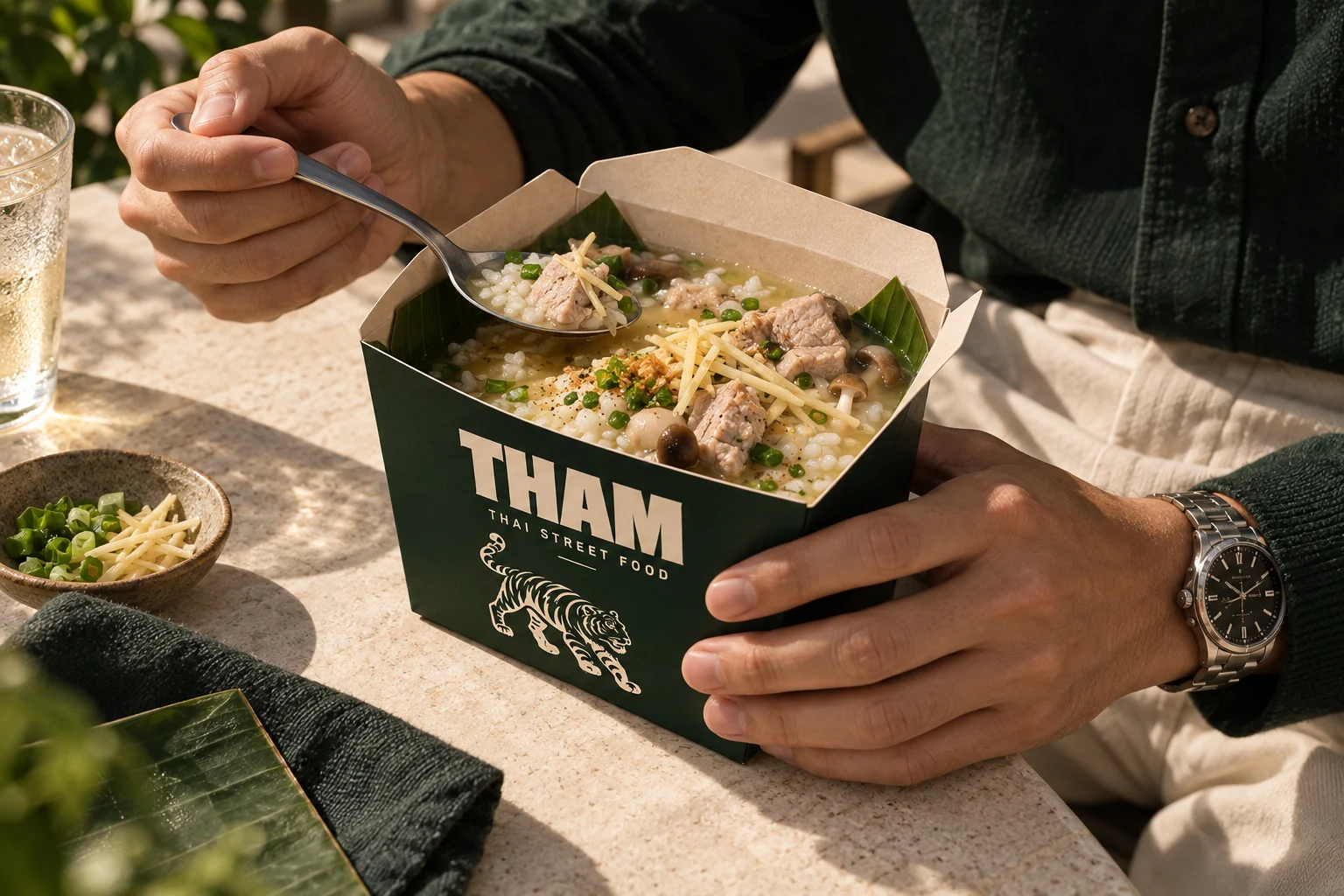
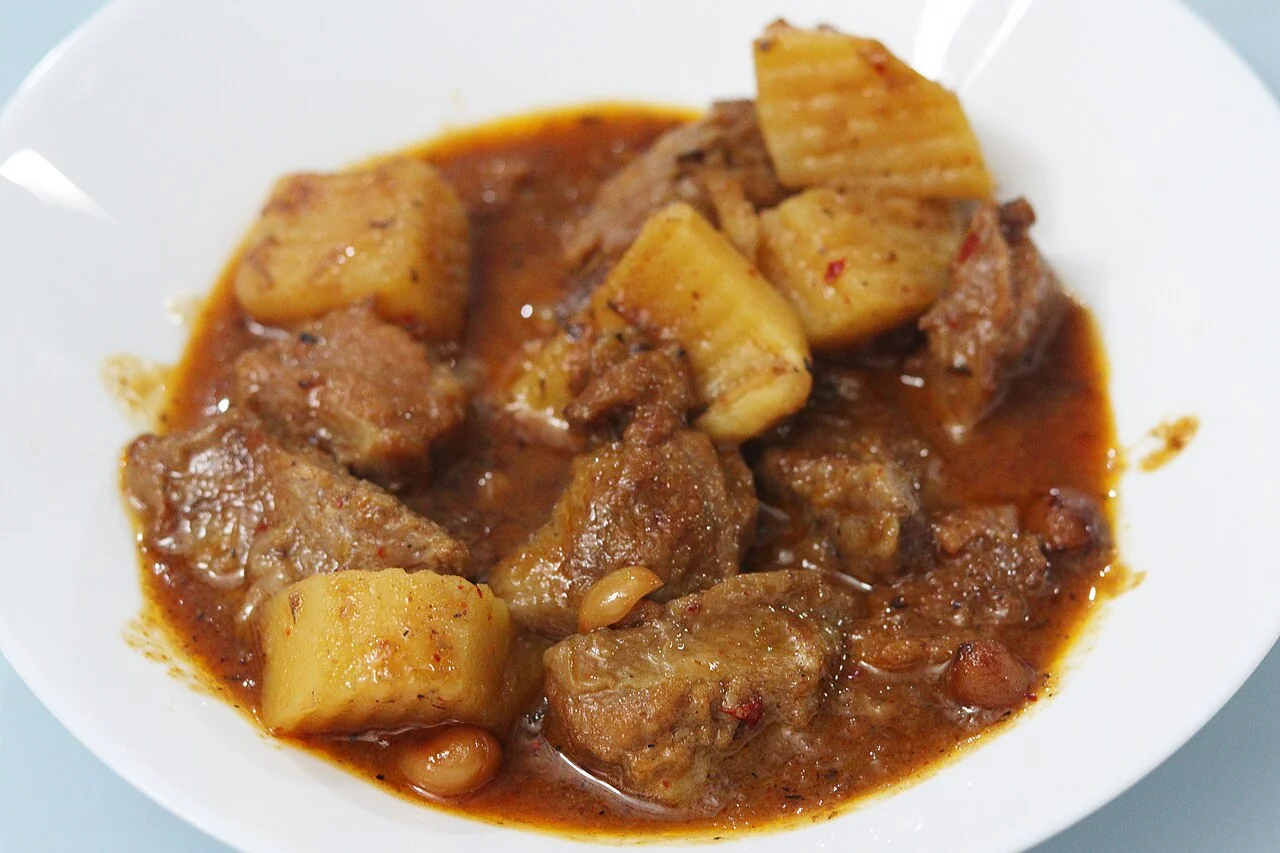
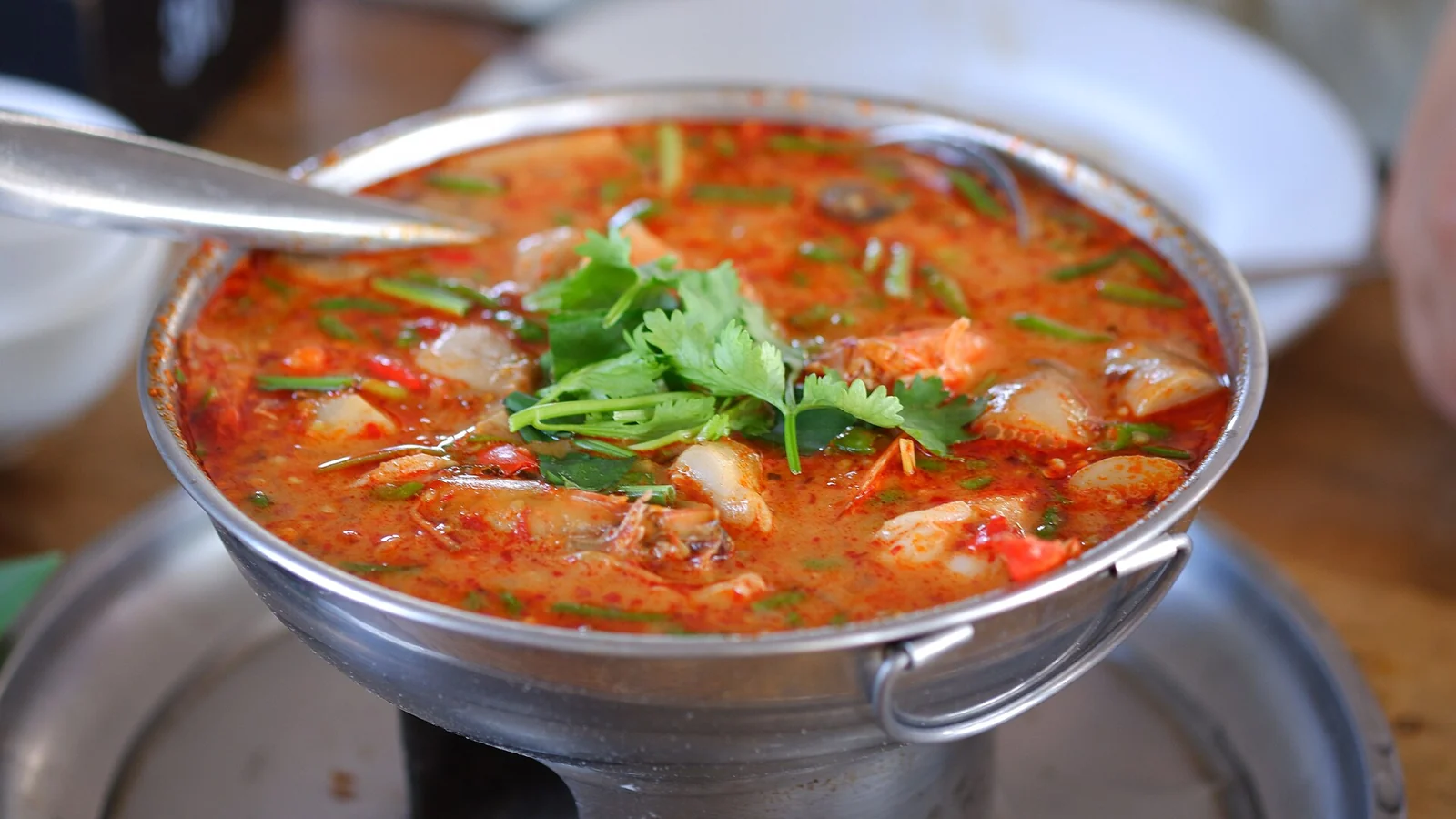
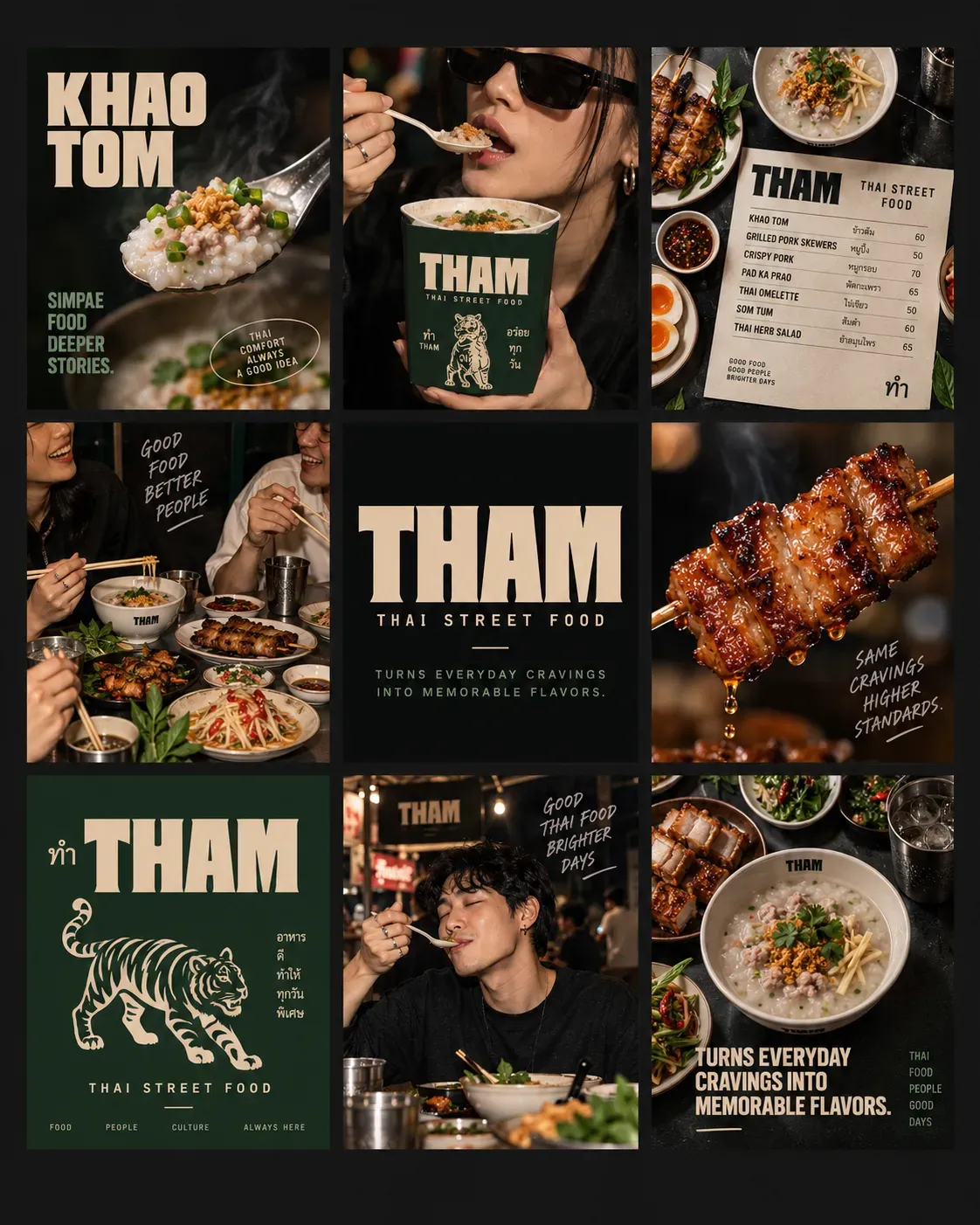
Editorial photographs illustrate Thai food and culture. THAM lifestyle images are creative brand imagery, including AI-generated scenes; they do not document the restaurant, its location or exact servings.
- Basil-fried pork with rice and fried egg — Takeaway. CC BY-SA 3.0. Resized and compressed for the web.
- Holy basil leaves — Snjsharma. CC BY-SA 4.0. Resized and compressed for the web.
- Pad kra pao moo — Ryan Snyder. CC BY 2.0. Resized and compressed for the web.
- Basil-fried crispy pork with rice — Iudexvivorum. CC0. Resized and compressed for the web.