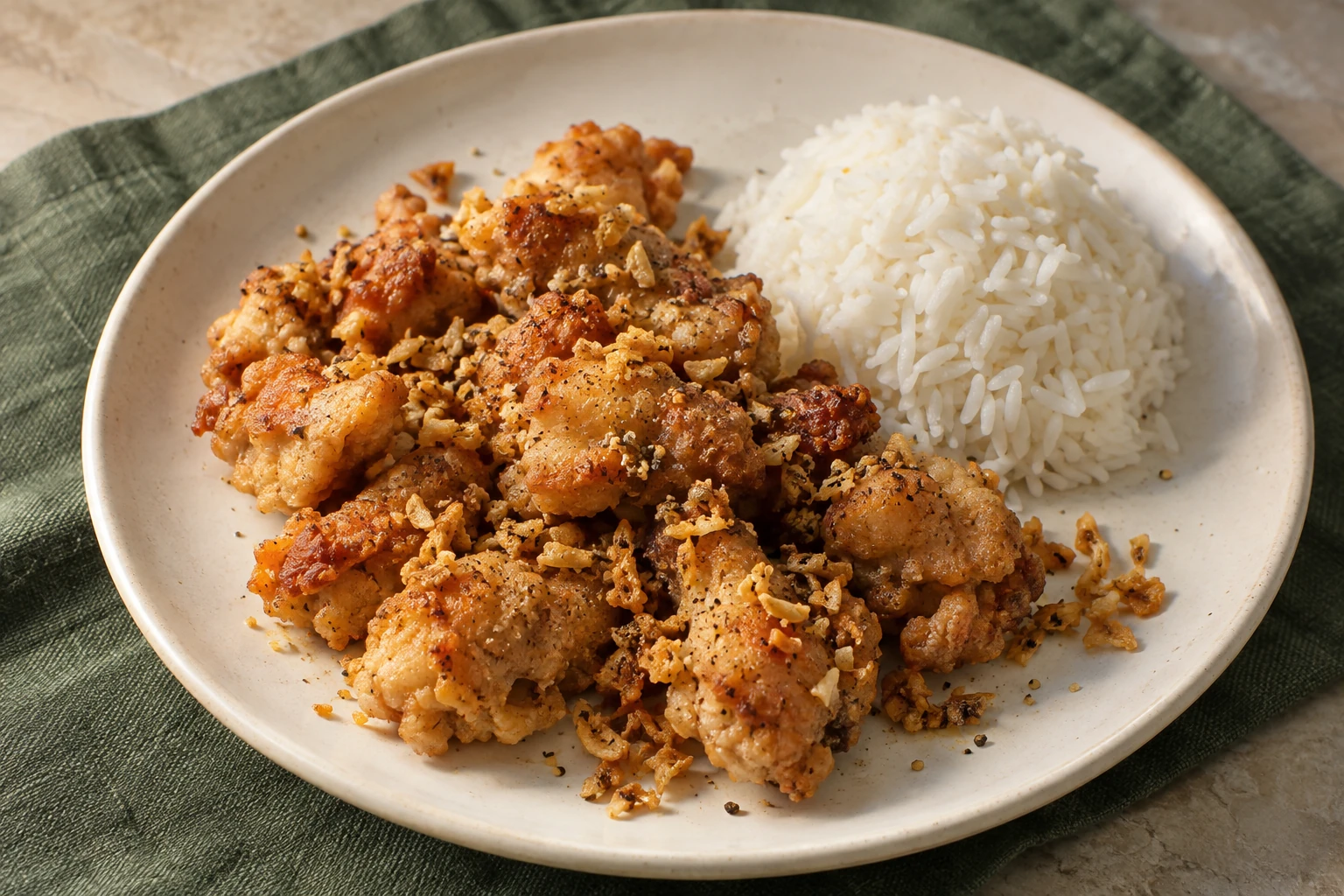
Say it: gai gra-tiam prik thai Approximate English sounds
Garlic and pepper chicken is the kind of Thai dish that rewards a second look at a short menu description. There may be no colourful curry, tangle of noodles or pile of fresh herbs to announce it. Instead, the interest lies in the chicken's savoury coating, the way garlic changes as it cooks, and the warmth of pepper against plain rice. For a visitor who wants a full-flavoured meal without chilli dominating, it offers an accessible starting point with plenty to discover beyond the first familiar bite.
Getting to know the Thai name
The name ไก่กระเทียมพริกไทย identifies chicken, garlic and pepper. A useful approximate sound guide is “gai gra-tiam prik thai”, with “gai” sounding like “guy”. Menus may also use gai pad gratiem, specifying a stir-fried preparation, or shorten the English description to garlic chicken. Different Roman spellings are common and are less informative than the ingredients and cooking description.
The word pepper deserves attention. In this name it refers to the pepper seasoning, rather than automatically promising chilli. A dish can have a warm, peppery finish without containing a large quantity of chilli, or any added chilli at all. If you are choosing according to heat preference, ask about both. Equally, do not assume that a mild-looking brown sauce will taste neutral: garlic and pepper can make a direct impression without bright red ingredients announcing their presence.
A household dish rather than a neat invention story
Pailin Chongchitnant describes garlic pepper chicken as familiar family food. That domestic setting is more securely supported by the sources consulted than any claim of a single place or year of invention. Published cooks document variations in sauce, herbs and cooking method, suggesting a practical family of preparations rather than one fixed historical formula.
Thai cooking teacher Pranee Halvorsen places garlic and pepper within a broader seasoning tradition that also uses coriander root. Her account explains how a pounded aromatic mixture can move between marinades, meat patties and other dishes. It helps connect garlic chicken to wider cooking practice, but it does not provide a verified birthday for this particular plate. The distinction matters: the long life of a seasoning combination and the origin of one named restaurant dish are different historical questions. Neither needs an invented royal anecdote to make the food interesting.
Garlic changes character in the pan
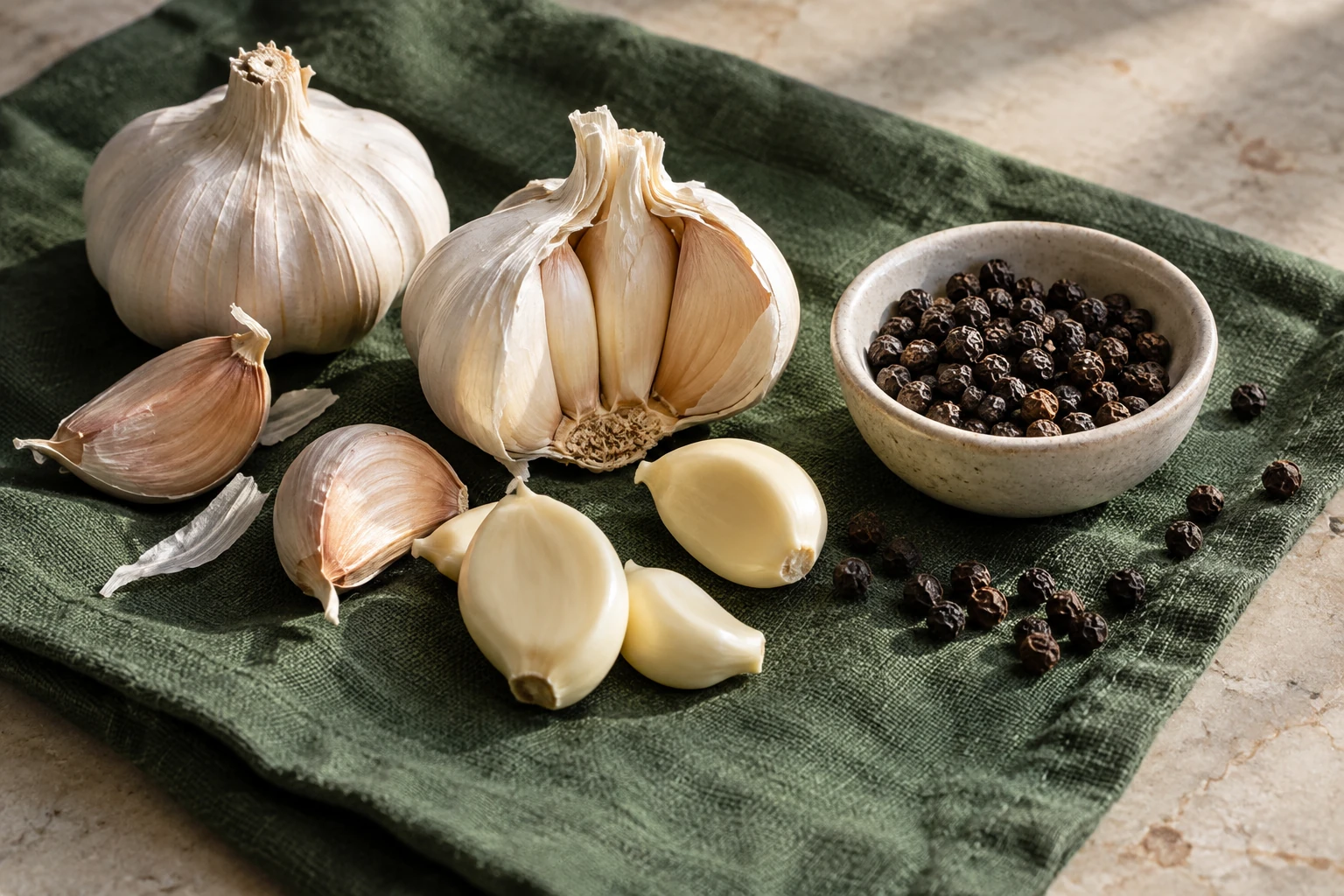
Garlic can contribute in more than one form. Finely worked into seasoning, it becomes part of the chicken's overall flavour. Fried separately and scattered over the finished dish, it provides distinct bites. Those approaches are compatible, but they lead to different textures. A menu saying “garlic chicken” alone cannot tell you whether to expect visible crisp garlic or a more integrated coating.
Pailin's preparation fries garlic separately and uses some of the resulting oil to cook the chicken. Chef Peach also demonstrates a separately fried garlic component. These examples show a useful principle without establishing a requirement: garlic can flavour the cooking medium and then return as a finish. When tasting a plate, notice whether the garlic is soft, crisp or present mainly as aroma. That gives you a more precise way to remember what you liked than simply deciding it was very garlicky.
Garlic and pepper can make a direct impression without bright red ingredients announcing their presence.
Pepper, coriander and savoury seasoning
Black and white pepper appear in different published versions; Pailin uses both, while Chef Peach's recipe specifies white peppercorns. The choice changes the aromatic impression, and it is not visible from the English dish name alone. You do not need to identify the exact pepper to enjoy the meal, but the difference helps explain why two garlic-chicken plates can feel distinct.
Coriander root is another possible ingredient, rather than a universal requirement. Pranee teaches it as part of a pounded combination with garlic and pepper; Chef Peach includes it in a chicken marinade. THAM's confirmed ingredient list does not name coriander root, so it should not be assumed there. Oyster sauce, where used, brings savoury seasoning and a coating that connects the aromatics to the chicken. Other cooks use fish sauce or soy sauces in different combinations. These are individual preparations, not interchangeable declarations of what every restaurant serves.
Chicken texture and the question of flour
The cut of chicken, the size of the pieces and the coating all influence the finished bite. A small piece gives sauce more opportunity to appear in each mouthful, while a larger piece puts more emphasis on the chicken itself. Breast and thigh both appear as options in Pailin's recipe. The name of the dish does not establish which cut a restaurant uses.
Flour is another useful distinction. Chef Peach includes tapioca flour in her version, while the Real Thai Recipes preparation uses no flour in its ingredient list. THAM explicitly lists frying flour. That tells you a coating ingredient is involved, but not its exact composition or whether the result will resemble heavily battered fried chicken. Ask if those details matter to you. A reference to flour should not be translated into a gluten-free claim, and a photograph is not a reliable way to identify the blend.
The broad preparation sequence
A general route is to cut the chicken into evenly sized pieces, prepare the garlic and pepper seasoning, and cook the chicken with the chosen sauce and aromatics. Some methods marinate first; others build the seasoning in the pan. Separately fried garlic, if used, can be returned late enough to preserve some contrast. This is an explanation of the dish's possibilities, not THAM's exact cooking process.
The Real Thai Recipes method starts garlic in the pan and then adds chicken, using small amounts of water where necessary. Compare that with Chef Peach's marinated approach and you can see why one universal set of timings would be misleading. For home cooking, choose a complete method and follow the handling and doneness guidance appropriate to the chicken. Do not transfer a brief restaurant-style cooking time to thicker pieces simply because the ingredients have the same names.

How to taste the finished plate
Begin with a piece of chicken on its own, then take another with rice. The first tells you about the coating; the second shows how the dish is intended to work as a meal. A sauce that seems assertive alone can become well proportioned against unseasoned grains. If there is visible fried garlic, include a little in a separate bite so its texture does not disappear unnoticed.
Look for the relationship between the warm pepper finish and the savoury first impression, rather than expecting sourness or chilli to complete every mouthful. Thai dishes do not all need the same set of tastes. This is also a useful plate for people comparing preferences at the table: one person may value the chicken's texture, another the garlic, another the sauce absorbed by the rice. Those differences can guide additions without turning lunch into a technical exercise.
Rice, eggs and choosing a portion
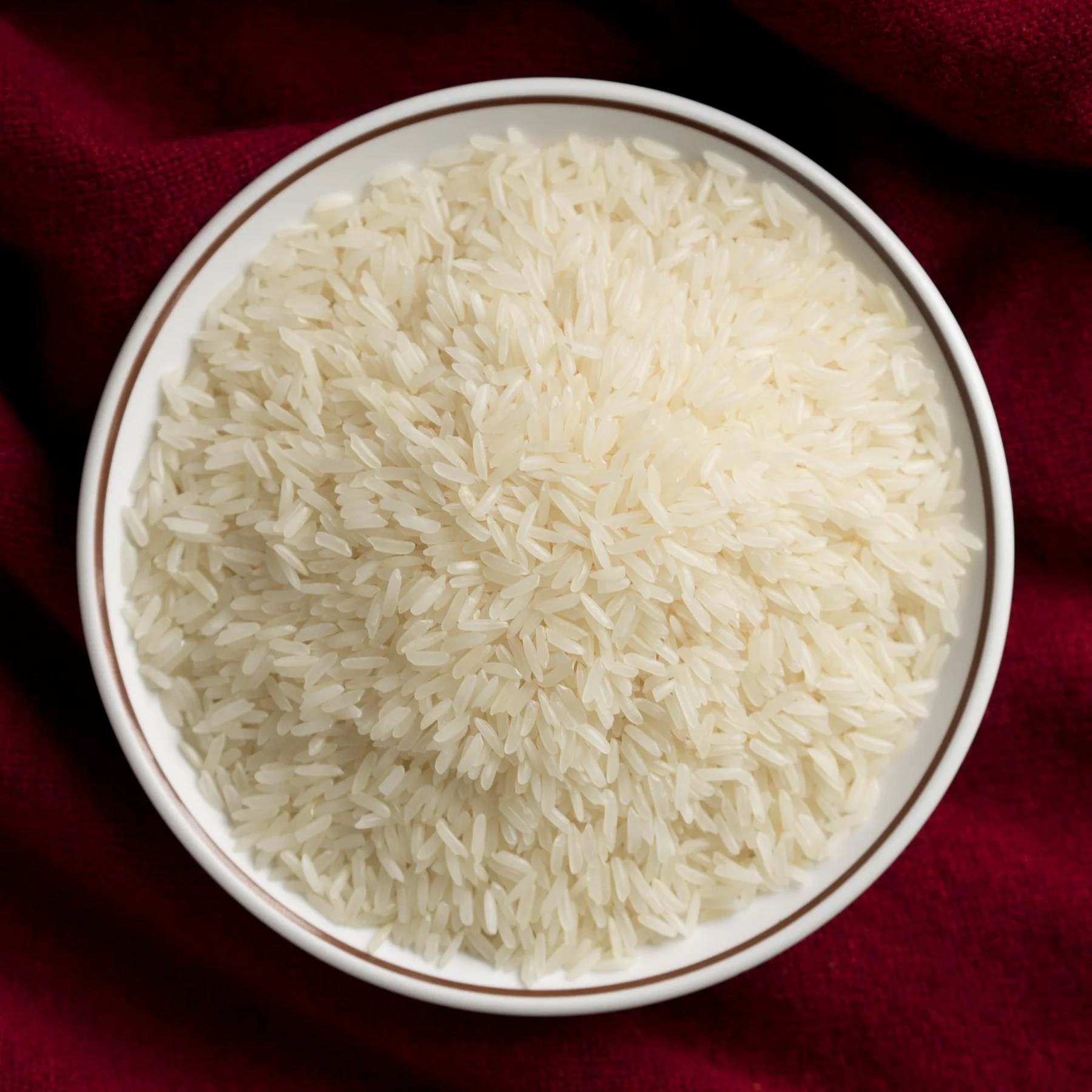
Garlic chicken can work as an individual rice meal or a component of a shared table. Real Thai Recipes explicitly describes both serving formats. Clarify which one a restaurant offers before assuming the price includes a mound of rice. If sharing, decide how much chicken each diner wants as well as how many plates fit on the table.
An egg brings another substantial element, while extra rice gives more accompaniment for the seasoned chicken. They solve different needs. Someone who wants more of the main ingredient may prefer extra chicken; someone who enjoys spreading the sauce across more grains may prefer extra rice. For dietary questions, look beyond the word chicken: oyster sauce, flour and any additional seasoning are part of the prepared dish. A short menu description is useful for orientation, but the kitchen must confirm details that affect a restriction or allergy.
Garlic and pepper chicken at THAM
THAM's Garlic Pepper Chicken costs 150 THB and includes rice. Its confirmed ingredients are chicken, minced garlic, ground pepper, oyster sauce and frying flour. All THAM dishes are non-spicy by default, with chilli available on request. Pepper remains part of this dish's listed seasoning, so the non-spicy default does not mean a plate without aromatic warmth.
Extra chicken costs 39 THB for a portion measured as 100 g before cooking. A fried egg is 15 THB, and another 150 g of cooked rice is 15 THB. Choose the additions according to what you want more of, rather than adding everything automatically. With the basic plate, the central conversation is already complete: chicken, garlic, pepper and rice, each easy to recognise and more interesting together.
KEEP YOUR CURIOSITY HUNGRY
THAM’s Garlic Chicken includes rice, with optional extra chicken, an egg or more rice to complete your meal.
Explore the THAM menuRead further
Photography & credits
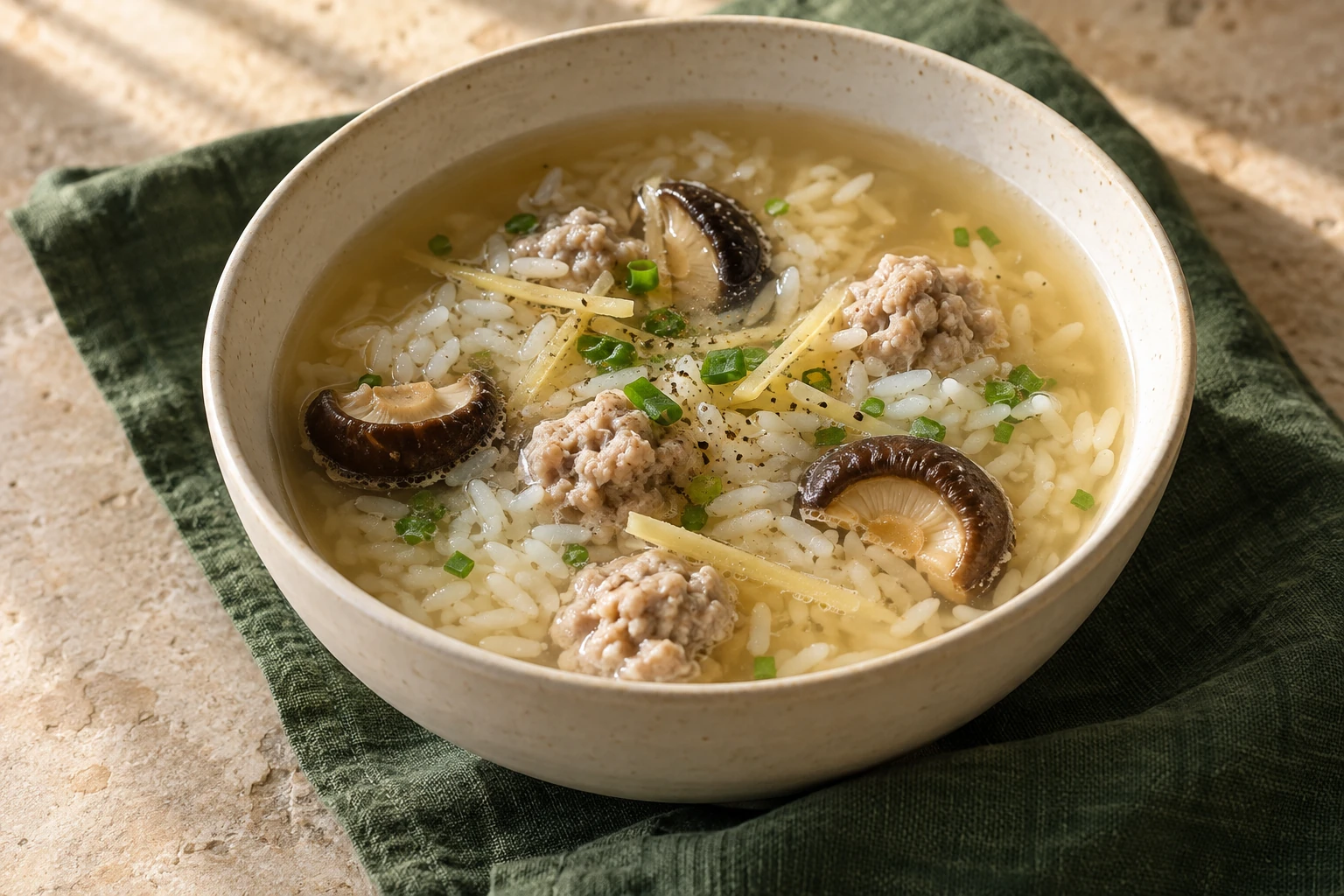
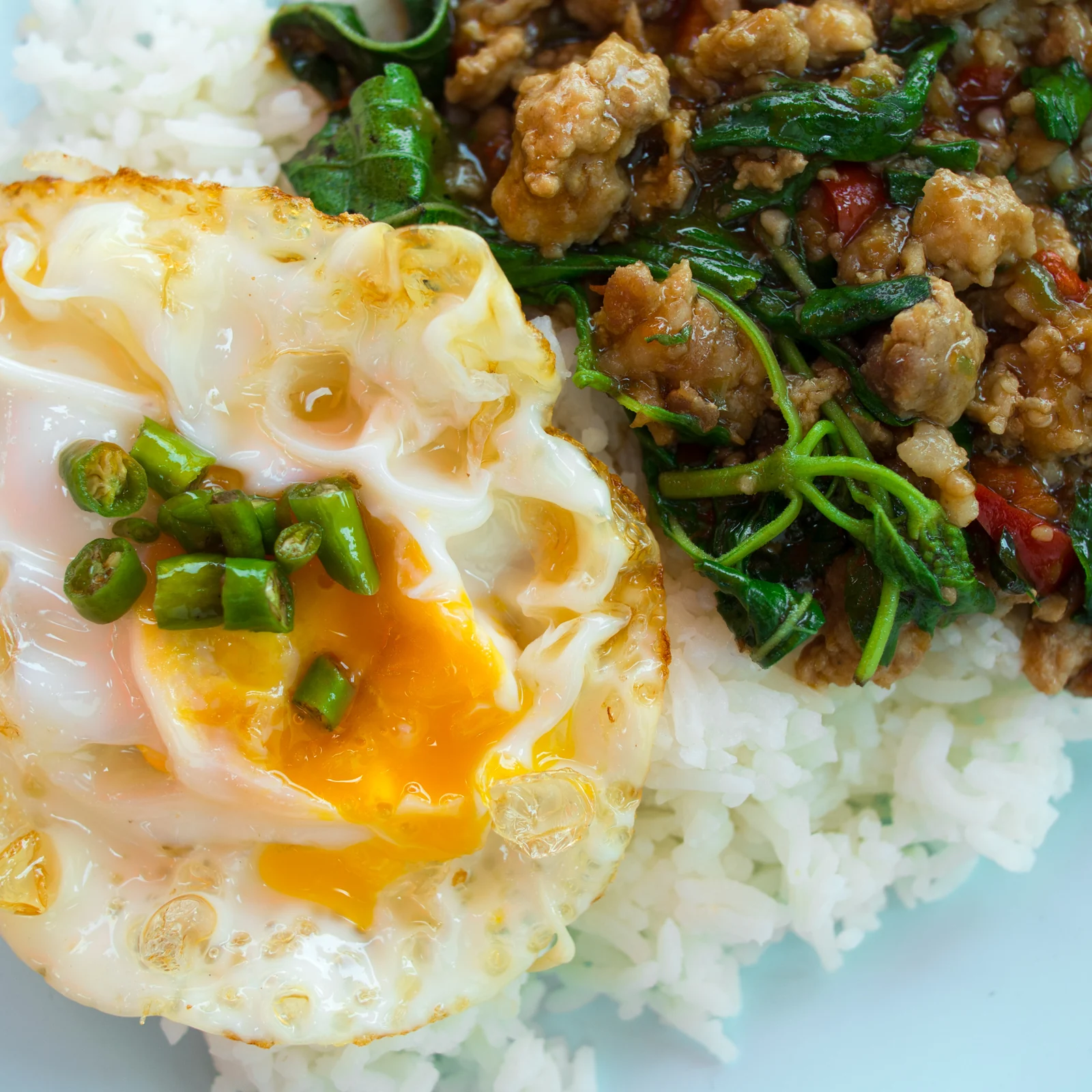
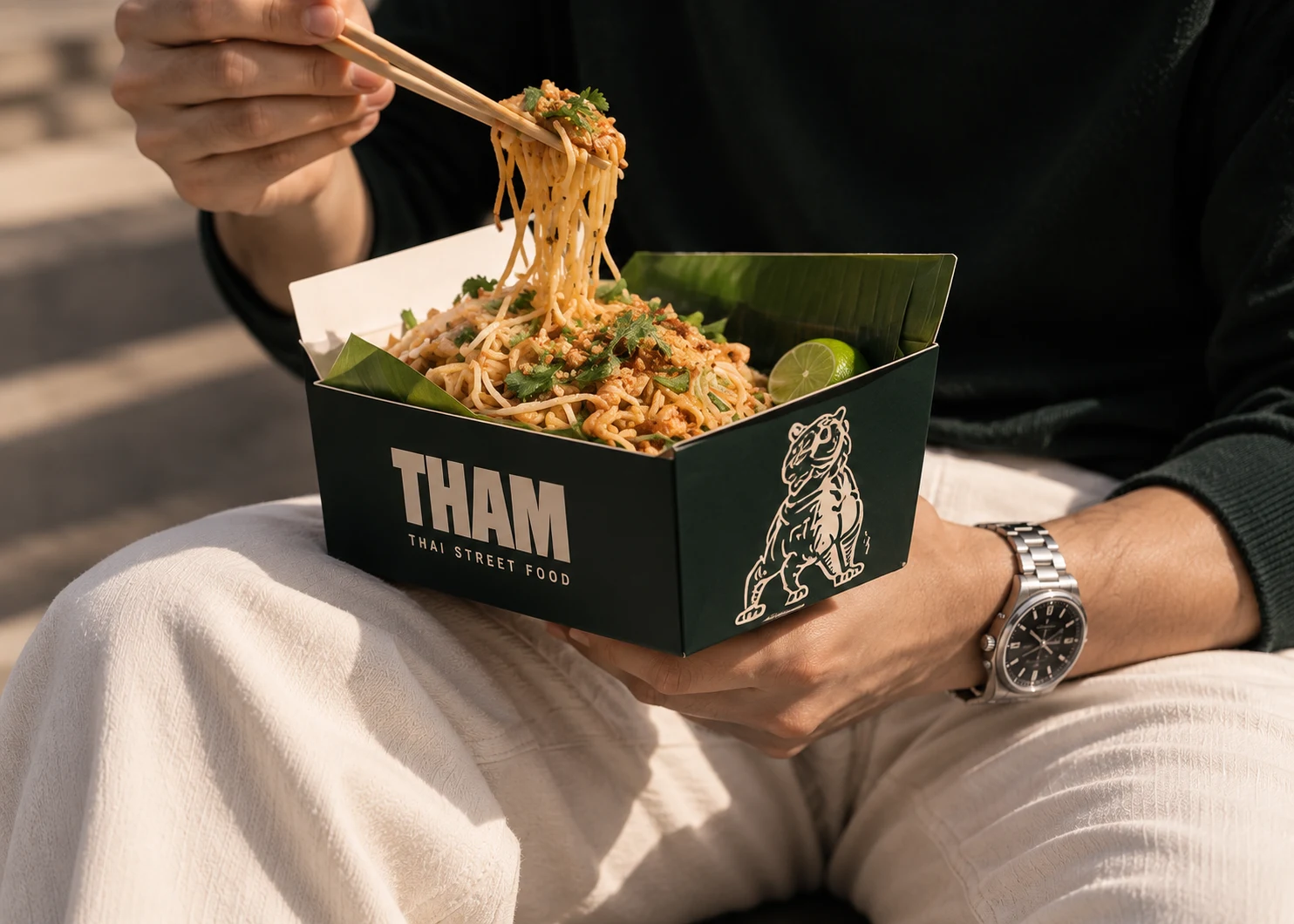
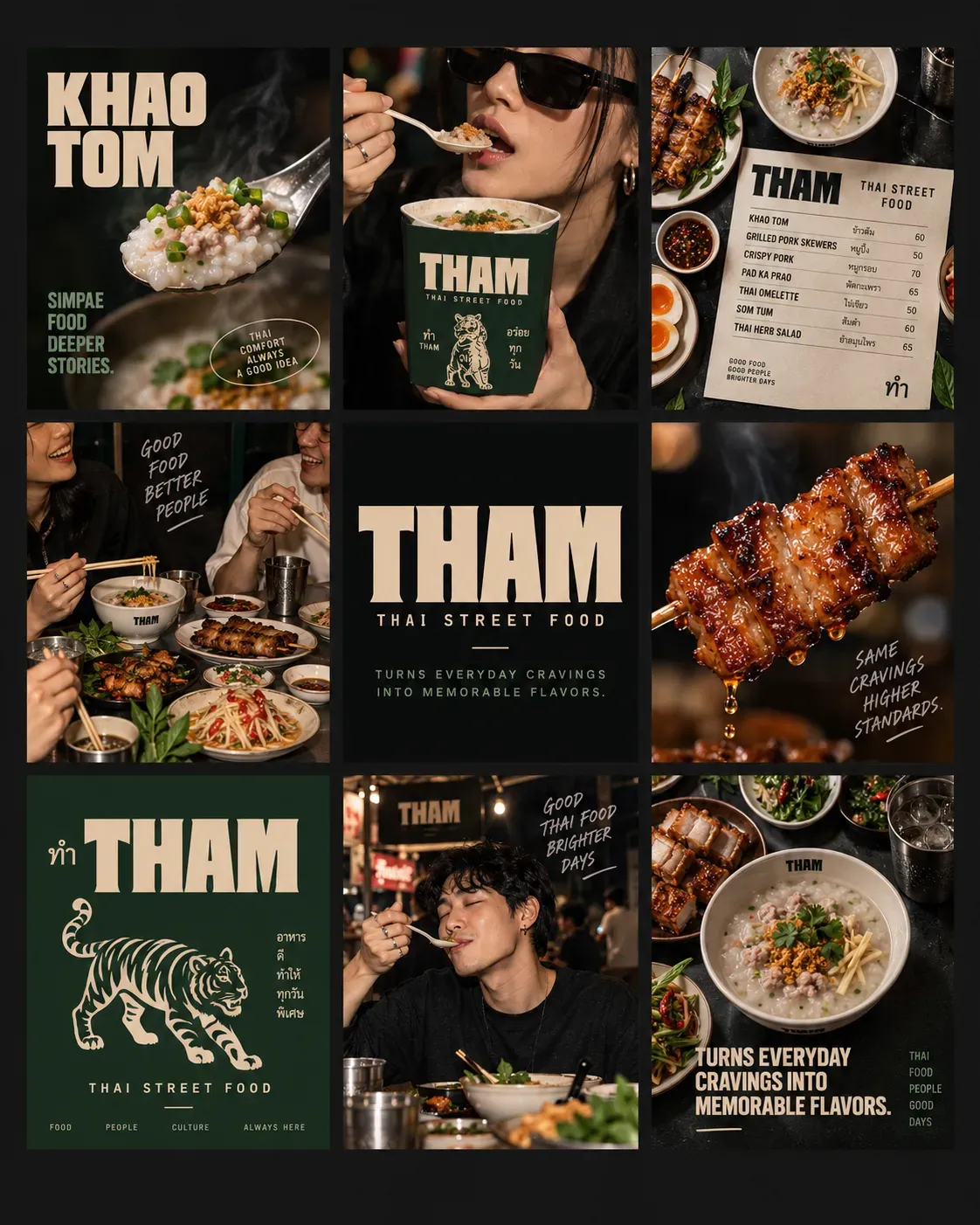
Editorial photographs illustrate Thai food and culture. THAM lifestyle images are creative brand imagery, including AI-generated scenes; they do not document the restaurant, its location or exact servings.
- Garlic Pepper Chicken — THAM — AI-generated food illustration.
- Garlic and black pepper — THAM — AI-generated food illustration.
- 2014 uncooked Thai jasmine rice.jpg — Takeaway. CC BY-SA 4.0. Resized and compressed for the web.
- Fish sauce.jpg — kentnk2009. CC0. Resized and compressed for the web.