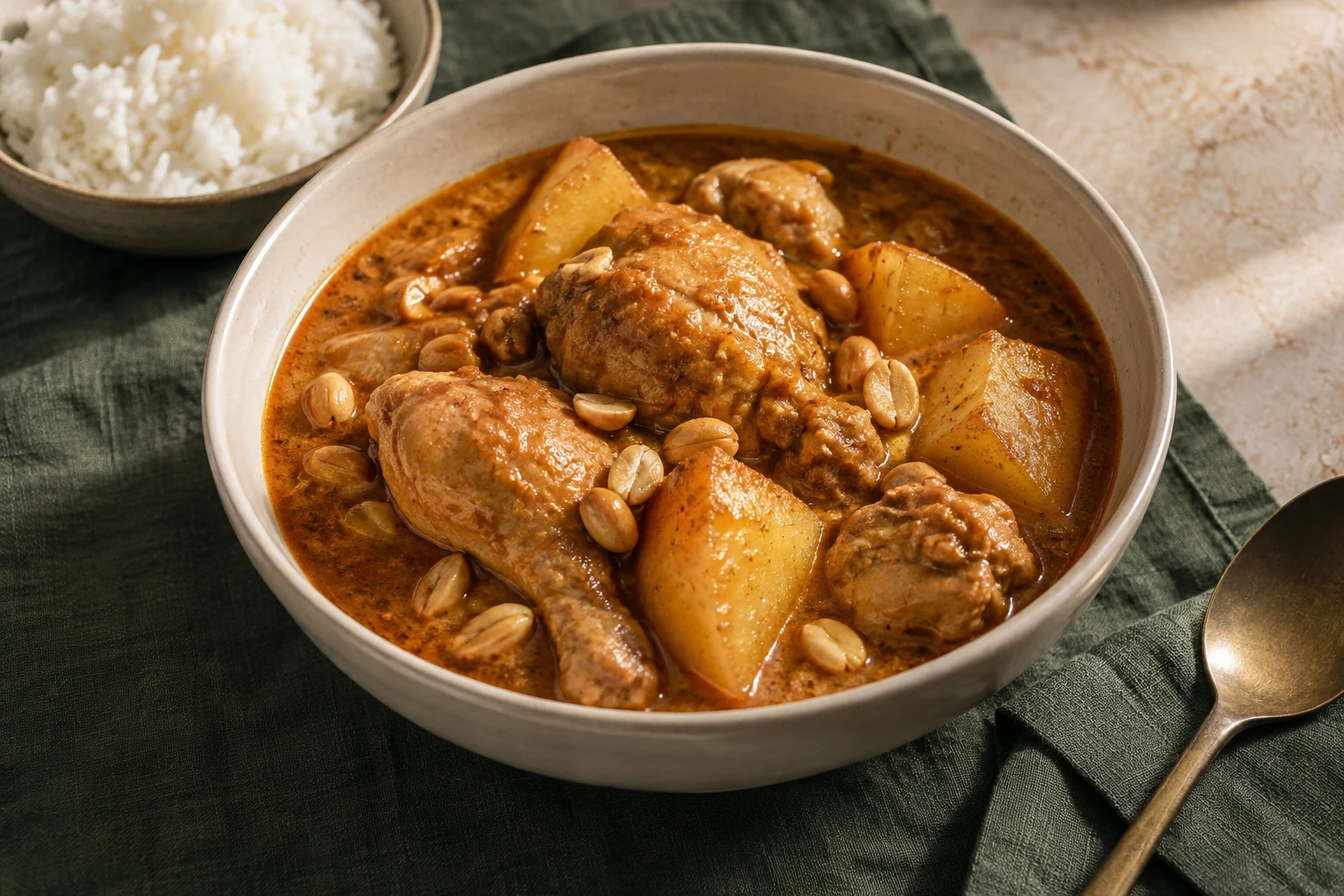
Say it: gaeng mat-sa-man gai Approximate English sounds
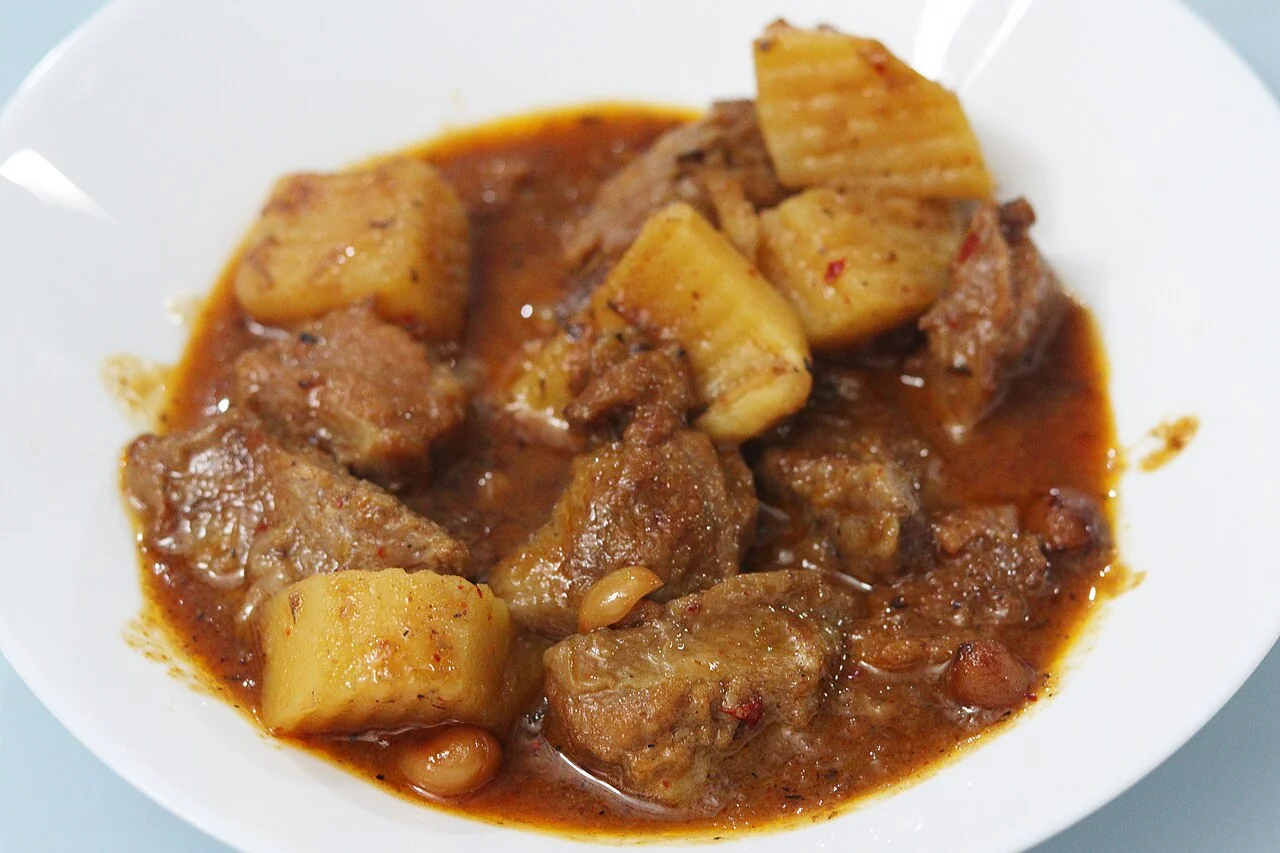
Chicken Massaman curry rewards a different kind of attention from a quick stir-fry. There is time to notice the fragrance of the paste, watch the sauce settle around the chicken and test a potato before serving. Its appeal comes from the relationship between those elements: substantial pieces, a rounded sauce and seasoning that remains interesting alongside rice. The Thai name is แกงมัสมั่นไก่, gaeng massaman gai. Rather than comparing every colour of Thai curry, this guide concentrates on Massaman itself. It explains the ingredients, the decisions that shape a home version and the questions worth asking when you order. The cooking discussion is general guidance, not a disclosure of THAM's recipe.
A curry shaped by culinary exchange
Massaman is associated with Muslim culinary exchange in Thailand. Accounts differ over the precise route by which its influences travelled, so a single origin story should be treated cautiously. Pailin Chongchitnant's chicken Massaman discussion describes a southern, Malay connection and places the curry within Muslim-Thai cooking. That is useful cultural context without needing to assign one inventor or a definitive birth date. Pailin's chicken Massaman
The history is also visible in the way the dish invites comparison: familiar Thai curry ingredients sit alongside a pronounced dry-spice character. Think of that combination as evidence of an evolving food culture, rather than a puzzle that must be solved by awarding the dish to one country. A contemporary bowl can express a long conversation between kitchens without preserving every detail of an early version.
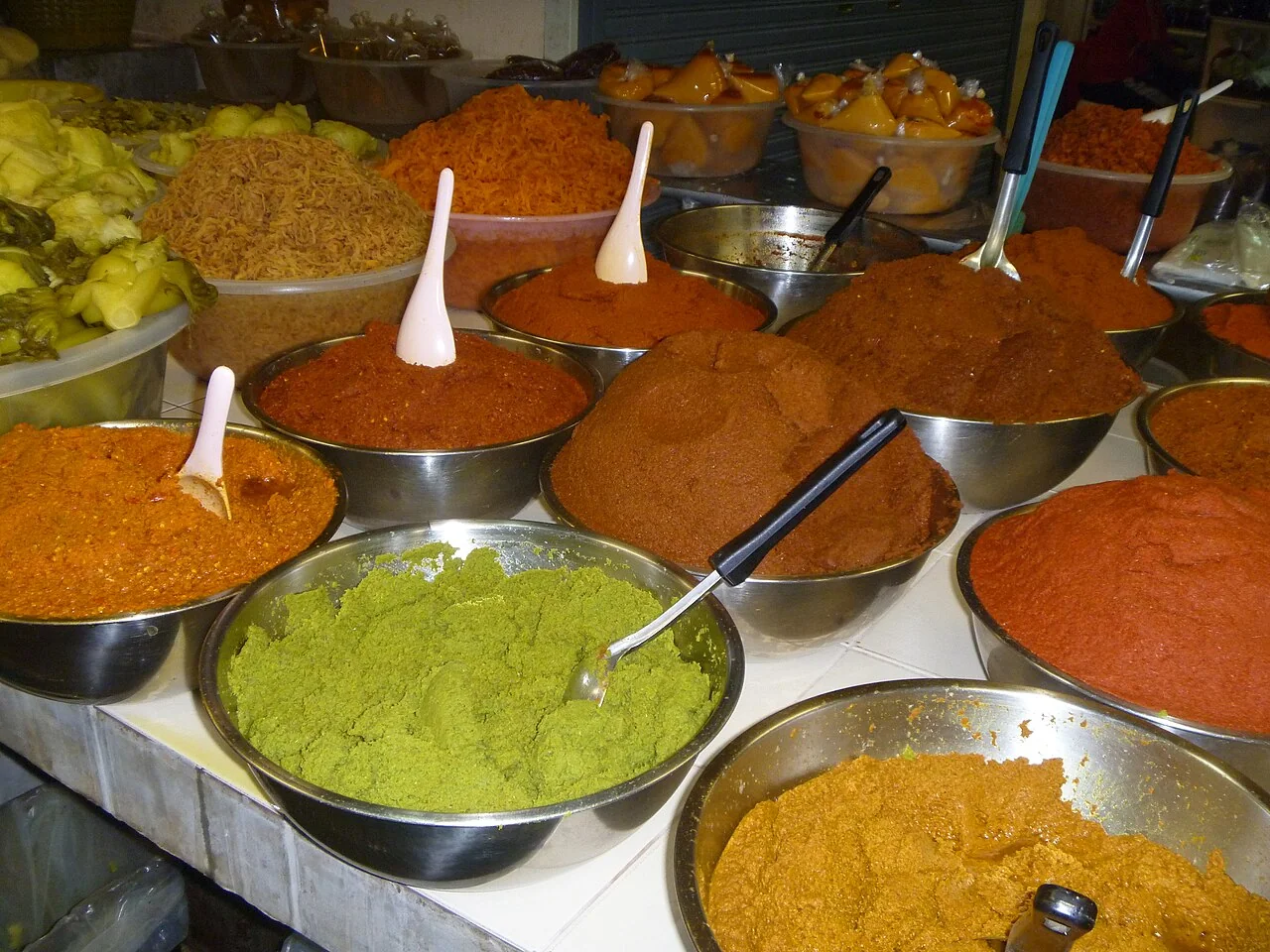
The paste establishes the character
Massaman paste is more than something that colours coconut milk. Pailin's paste recipe combines dry spices including coriander, cumin, cinnamon and cloves with ingredients such as lemongrass, galangal, shallots and garlic. Her version also includes dried chillies and fermented shrimp paste. The combination demonstrates why a jar labelled simply “curry” is not an interchangeable starting point. Pailin's Massaman curry paste
If you are buying a prepared paste, read its ingredient list before planning the rest of the meal. That is a practical way to understand what you have already introduced. Choose a recipe intended for that kind of paste, then make restrained adjustments. Adding every spice in the cupboard can blur the character you were trying to create, especially when the paste already contains a carefully proportioned mixture.
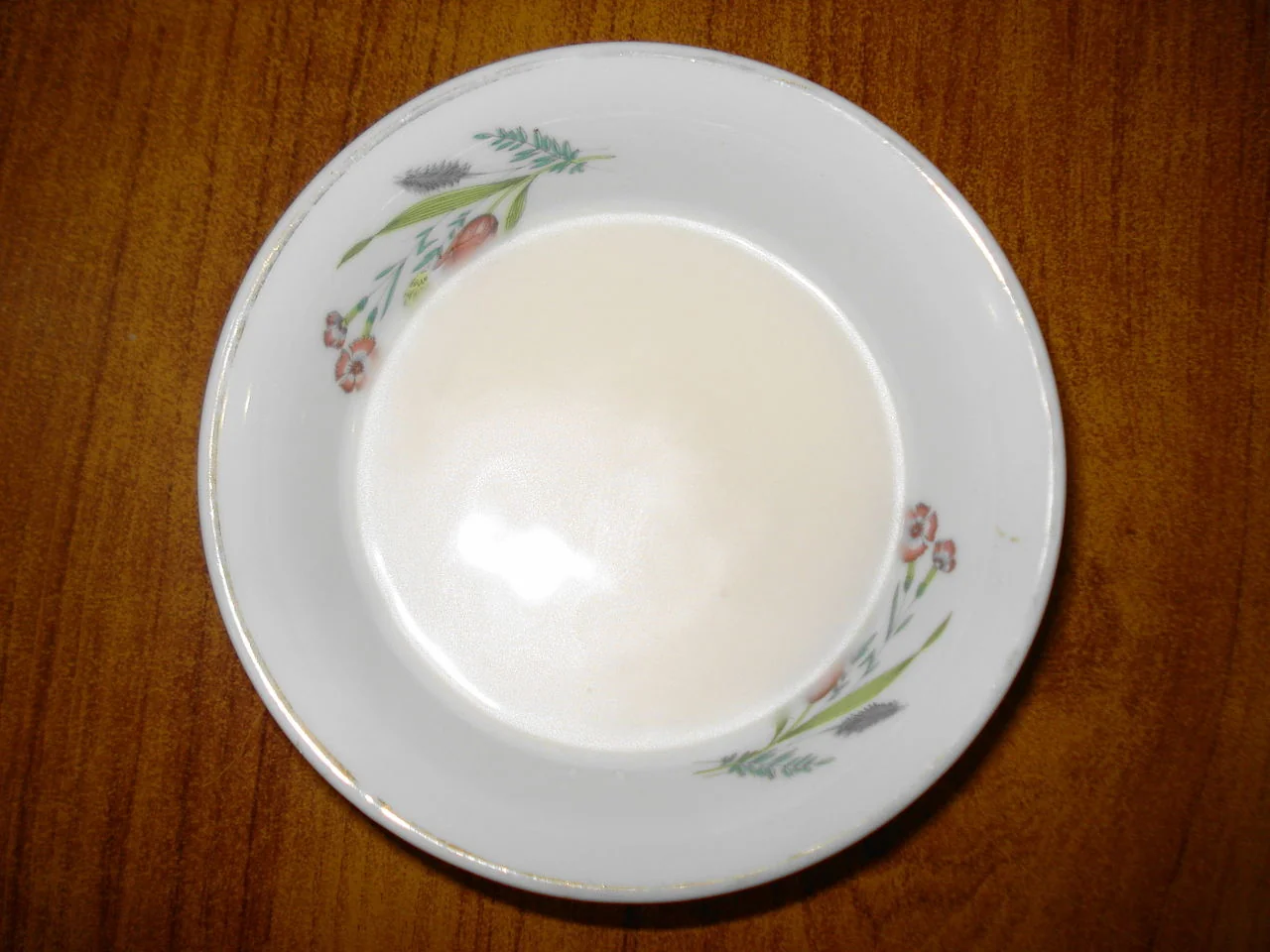
Coconut milk carries the sauce
Coconut milk provides the liquid and richness around the other ingredients. A useful way to assess the finished consistency is to imagine serving it with rice: the sauce should move easily enough to spoon, while remaining substantial enough to coat a piece of chicken. Personal preferences vary, so there is no reason to chase a photograph's precise shade or thickness.
Thai Akha Kitchen begins its Massaman by cooking paste in coconut cream before adding coconut milk and water. This illustrates a preparation stage that deserves attention instead of treating everything as an instant mixture. Thai Akha Kitchen's Massaman method
At home, stay near the pot during that early stage. Once you have chosen a method, follow its heat guidance carefully. Starting calmly makes it easier to notice sticking or an unexpectedly fast reduction before either becomes the flavour of the whole curry.
The most useful way to taste Massaman is with the rice you intend to serve.
Chicken determines your cooking plan
The words “chicken Massaman” do not tell you the size or cut of the chicken. A bone-in piece and a thin boneless slice need different schedules. Bangkok Thai Cooking Academy's teaching recipe uses sliced chicken and previously boiled potato, providing a useful contrast with longer-braised versions. Neither schedule should be copied blindly onto a different set of ingredients. Bangkok Thai Cooking Academy's Massaman
Choose your approach before you begin. If you want substantial pieces that can be separated with a spoon, select a recipe designed for them. If dinner needs a shorter cooking stage, start with a method designed for smaller pieces. Check that chicken reaches 74°C with a food thermometer. FoodSafety.gov cooking temperatures
Tenderness and safe cooking are related considerations, but one descriptive word should never replace the other.
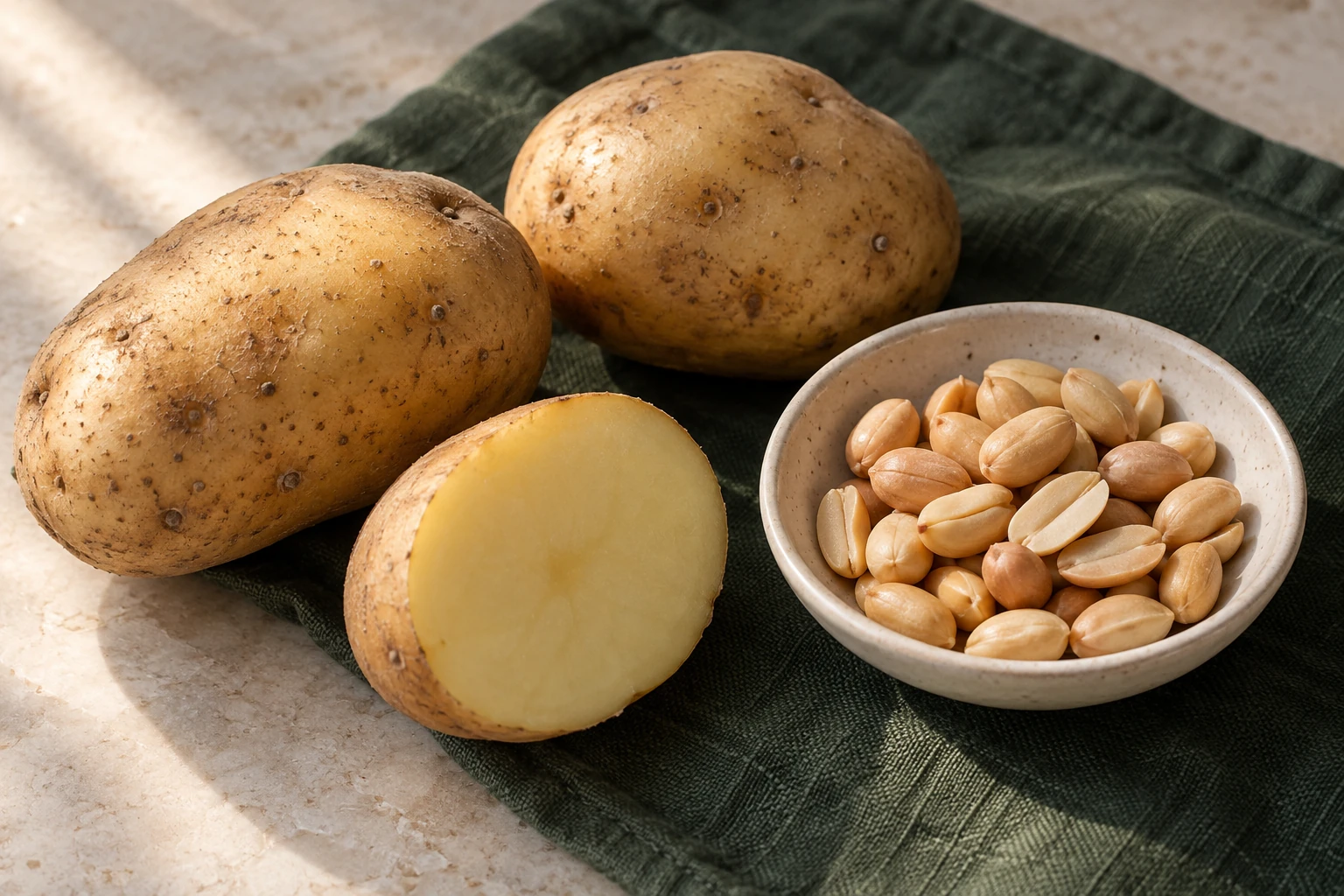
Potatoes and peanuts are structural ingredients
Potatoes give the curry a second substantial component beside the chicken. Their value is especially clear when you cut one with your spoon: the interior should be cooked, while the piece remains recognisable in the sauce. Pailin recommends potatoes that hold their shape and adds them after the chicken has already had some cooking time. Pailin's potato guidance
Peanuts introduce another texture. Thai Akha Kitchen describes using ground peanuts for a creamier result, while the academy's recipe uses roasted peanuts. These examples show that texture is partly a choice of preparation, not just an ingredient tick box. For a first attempt, resist changing both the potatoes and the peanuts at once. You will learn more from one clear comparison than from a bowl in which every component behaves differently from the recipe you followed.
Sweetness and acidity need perspective
Massaman can taste rounded without becoming sugary. The academy's recipe seasons its curry with palm sugar, fish sauce and tamarind, showing how sweetness, savouriness and acidity can work around the rich base. Bangkok Thai Cooking Academy's seasoning
Taste with the intended accompaniment before deciding the sauce needs a major correction. A spoonful straight from the pot can feel more intense than a little curry combined with rice. Also distinguish “needs something” from “needs salt.” Those are different observations. Write down the impression first: flat, too sweet, too sharp or simply too concentrated. Then adjust one thing in a small amount. This keeps the next taste informative and avoids a sequence of corrections that pull the sauce further away from what you liked initially.
A general route from preparation to serving
Begin by checking your paste, preparing evenly sized ingredients and deciding when each will enter the pot. Cook the aromatic base according to your chosen method, add the required liquid, and give the chicken and potatoes the time appropriate to their size. Taste near the end, when the sauce has reached its intended consistency.
These are decision points, not a timed restaurant formula. A printed number of minutes can guide you, but the pot still deserves inspection. If potatoes are ready before the rest of the meal, avoid stirring them unnecessarily. Have serving bowls and rice prepared so the curry does not spend its final moments waiting while you organise the table. This kind of advance thinking helps preserve the distinctions between sauce, meat and potatoes that made the dish appealing in the first place.
Variations should change the plan deliberately
Beef and other meat versions show that Massaman is a family of preparations. A different protein, however, is not a simple instruction to keep everything else unchanged. The cooking schedule, size of the pieces and amount of liquid may all need reconsidering. Start with a recipe written for the main ingredient you intend to use.
The same principle applies to a vegetable adaptation. It deserves its own cooking plan and a full check of paste and seasoning ingredients. Peanuts, fish-based seasonings or shrimp paste may still be relevant even when no meat is visible. A useful home experiment has a clear purpose: a different texture, a shorter cooking process or an ingredient you particularly enjoy. Calling every change an improvement hides the more interesting question of what kind of curry you want to eat.
Serving and asking about ingredients
Serve enough sauce that a diner can combine it with rice gradually, rather than having to mix the entire meal immediately. A separate rice portion lets each spoonful have a slightly different balance. If whole spices are present in your home recipe, let people know that some pieces are used for fragrance rather than intended to be chewed.
For an allergy conversation, name the allergen explicitly. Peanuts are particularly relevant to Massaman, and curry paste or sauces may introduce others. Ask about the complete preparation and shared equipment, not just the visible ingredients. The word “mild” answers a question about perceived heat; it does not answer an allergy question. Equally, a general description of coconut curry cannot establish the exact ingredients of an individual restaurant's bowl.
Chicken Massaman at THAM
THAM lists Chicken Massaman Curry at 190 THB, with chicken, Massaman paste, coconut milk, potatoes and peanuts. Rice is included.
Like THAM's other dishes, it is served non-spicy by default; request chilli if you would like it. Discuss allergies with the team before ordering. The broader ingredients and cooking methods described in this guide are examples from Thai cooking, rather than additional claims about THAM's preparation.
Choose Massaman when you want to spend time with the contrast between chicken, potato and sauce. Its pleasures become clearer with a little rice and an unhurried spoonful: warm aromatics, substantial pieces and a curry whose character extends well beyond its colour.
KEEP YOUR CURIOSITY HUNGRY
Take an unhurried spoonful and notice how the chicken, potato and sauce work together.
Explore the THAM menuRead further
Photography & credits
Editorial photographs illustrate Thai food and culture. THAM lifestyle images are creative brand imagery, including AI-generated scenes; they do not document the restaurant, its location or exact servings.
- Chicken Massaman Curry — THAM — AI-generated food illustration.
- Curry Pastes (5311654507).jpg — Ryan Snyder. CC BY 2.0. Resized and compressed for the web.
- Potatoes and peanuts — THAM — AI-generated food illustration.
- Coconut Milk.JPG — Miansari66. CC0. Resized and compressed for the web.
- Massaman curry, Bang Kapi, Bangkok.jpg — Vee Satayamas. CC BY-SA 4.0. Resized and compressed for the web.