A tiny cup can hold a surprisingly complete dessert. A spoon passes through a coconut top into a sweeter layer beneath, and the two meet before the next bite. Khanom tuay is a good introduction to a wider Thai dessert world where coconut, rice flour, pandan and sugar can appear in very different forms. Follow the textures and a whole new side of the menu comes into view.
Two layers, one small cup
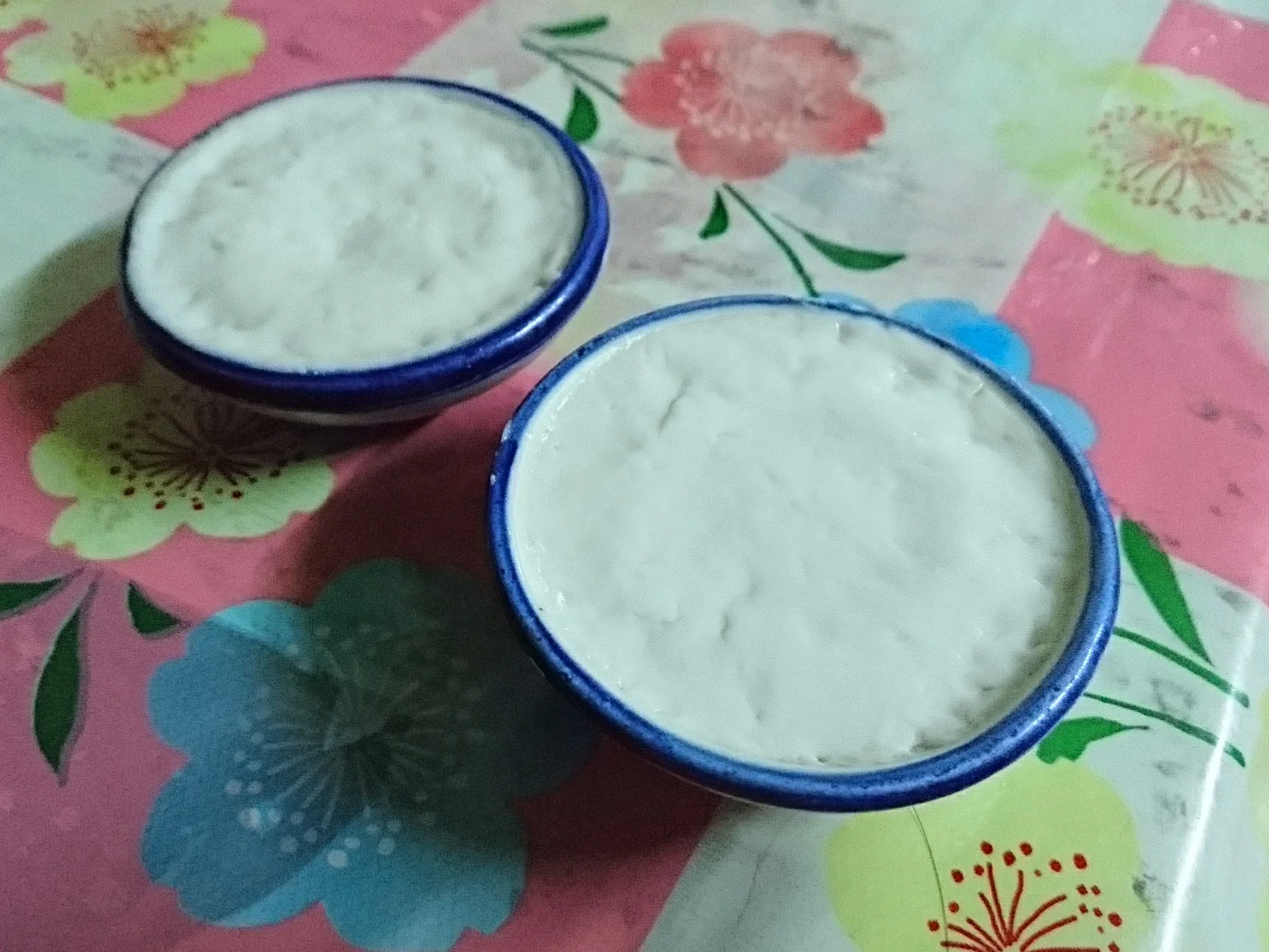
Khanom tuay, ขนมถ้วย, is a steamed dessert made in small cups, often ceramic. Its sweet base and saltier coconut top are the essential contrast to notice. Dip your spoon far enough to gather both layers rather than tasting only the surface. The small serving invites attention: a little more of the top or base changes the balance of the next mouthful.
You may see the name written tuay, thuai or thuay in English. Do not confuse it with khanom tuay fu, a fluffy steamed cake. Similar-looking words can lead to very different desserts. At THAM, a portion contains three small cups. There are no add-ons for this dish, but ordering a second portion is an entirely reasonable response to discovering a new favourite.
Colour does not tell the whole recipe
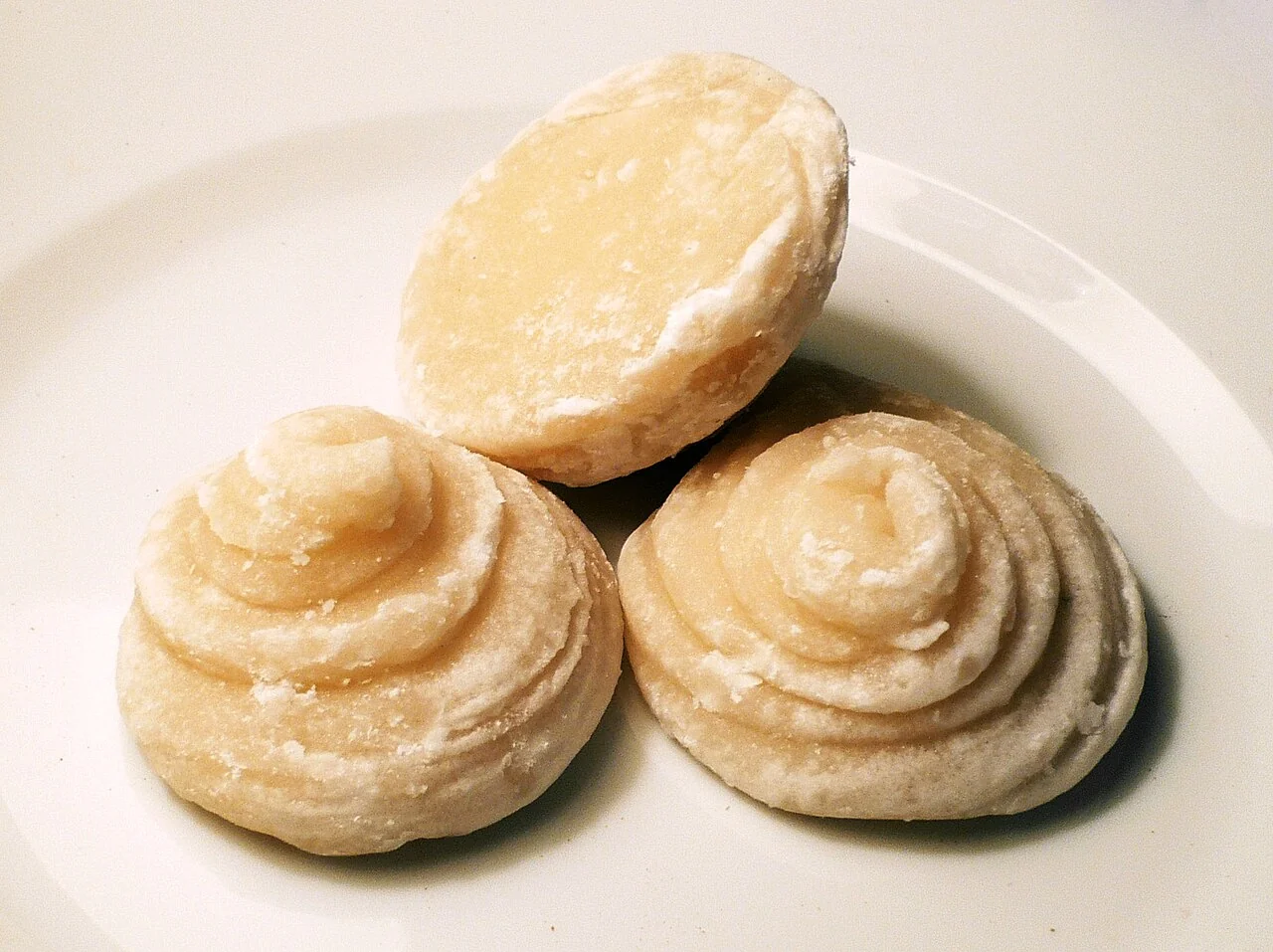
Some versions have a golden base made with palm or coconut sugar, while pandan can introduce another colour and fragrance. A green base is not compulsory. Nor does a custard-like texture automatically mean eggs are present: rice flour and coconut milk can produce a soft set of their own. Ask about the specific preparation when ingredients matter to you.
This is a useful way to approach unfamiliar sweets generally. Start with what you can observe, then ask what creates it. Is the texture steamed, frozen or cooked until it thickens? Is the fragrance coming from a leaf, fruit or sugar? Describing those details gives you better questions than deciding in advance that every smooth dessert must be the same kind of custard.
Coconut ice cream, street-side possibilities
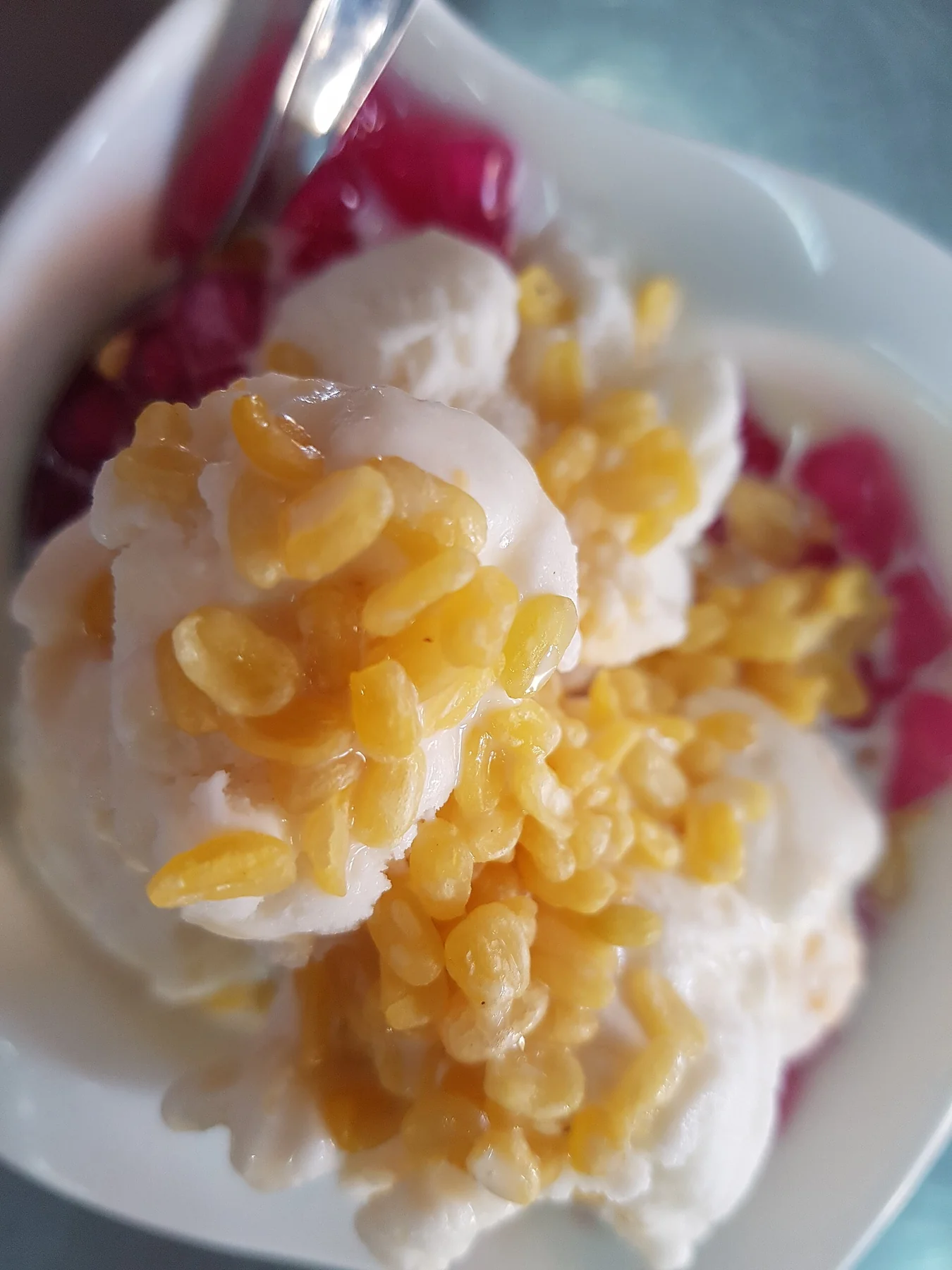
Thai street-style coconut ice cream can arrive with accompaniments that surprise visitors: sticky rice, peanuts, sweetcorn or even bread. Those combinations offer contrast as well as sweetness. Soft rice beside cold ice cream creates a different mouthful from the one you get with a crunchy topping. The photograph of ice cream with corn shows one possibility, not a rule for every vendor.
If you are used to treating ice cream as a flavour served in a cone, let the format expand a little. Taste the coconut first and then add a topping to the next spoonful. You may find that a familiar ingredient works differently when it is cold, or that the pleasure is simply in moving between textures rather than adding more sweetness.
A little cup can hold a whole new favourite.
Meet pandan beyond the green colour
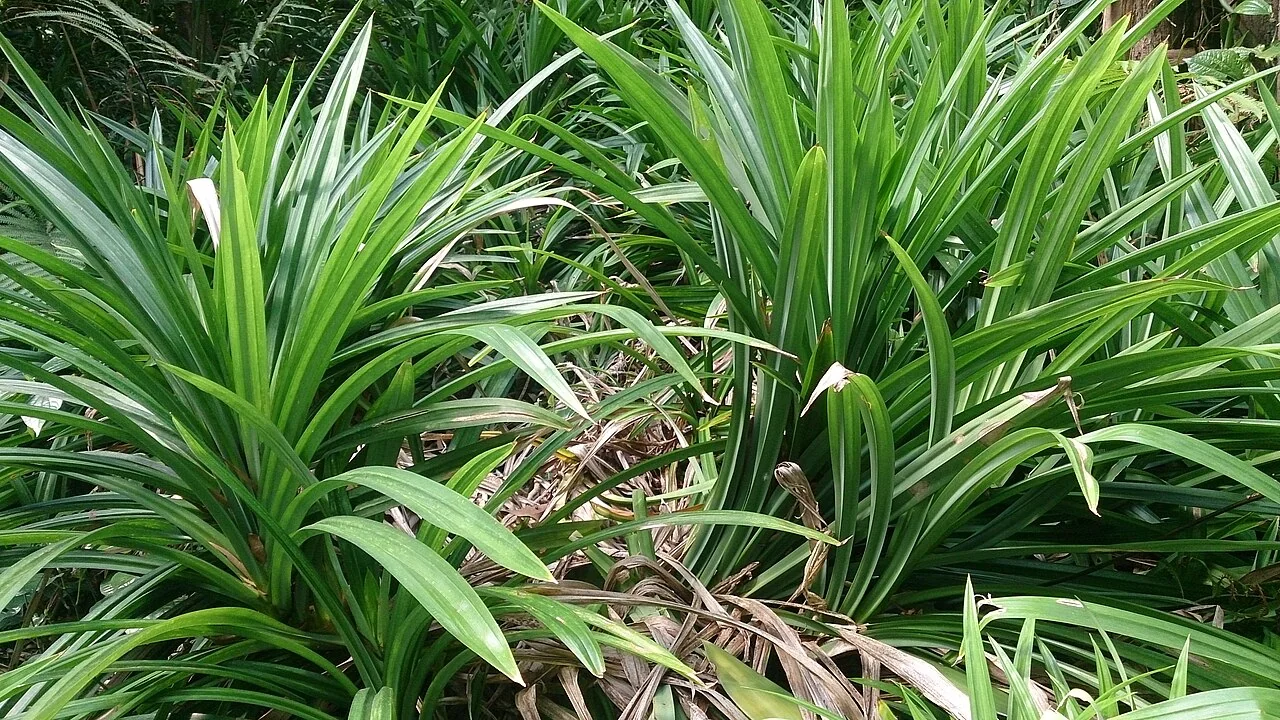
Pandan, ใบเตย, is a fragrant leaf used in the Thai kitchen. Its long blades can be infused into liquid, or blended and strained when colour and flavour are wanted. Frozen leaves are a practical option for home cooks. Pandan is more than a green colour cue: the ingredient contributes aroma, and a green dessert alone does not tell you exactly how it was flavoured.
If you buy pandan, follow a recipe that explains its preparation. Keep the leaf’s role separate from that of sugar or coconut milk. Learning one ingredient this way makes several desserts easier to understand. You begin recognising a familiar aromatic thread even when the shape, texture and presentation change completely from one sweet to the next.
Layers can mean different things
Khanom chan is another layered dessert, usually made with flours, coconut milk and sugar, often with pandan. Its many layers can carry auspicious associations, including the symbolism of nine. That cultural meaning belongs to the particular dessert and context; it should not automatically be attached to every layered coconut sweet. Two layers in khanom tuay and nine layers elsewhere tell different stories.
For a visitor, names are the best starting point for keeping those stories distinct. Take a photograph of the label, note the Thai script where available and ask what makes the dessert special. You do not need to memorise the whole sweet counter. Remembering one name properly creates a connection you can return to on the next day of your trip.
Choose by texture, then keep exploring
After a warm meal, coconut ice cream offers a cool finish. Khanom tuay brings a soft, gently contrasting pair of layers. Mango sticky rice adds ripe fruit and a more substantial rice texture. Think about the kind of ending you want, rather than asking which dessert is the most famous. Sharing lets you compare, but a small portion enjoyed carefully can be just as satisfying.
Finally, check ingredients if you have dietary requirements. Coconut ice cream is not automatically dairy-free, and a dessert’s name cannot guarantee every preparation detail. Ask the team about the version being served. Once that is clear, give the dessert the same curiosity you gave the main course. Small cups, cold spoonfuls and fragrant leaves can carry a remarkable amount of character.
KEEP YOUR CURIOSITY HUNGRY
Choose three little cups of Khanom Tuay, a cool coconut finish, or golden mango with sticky rice.
Explore the THAM menuRead further
Photography & credits
Editorial photographs illustrate Thai food and culture. THAM lifestyle images are creative brand imagery, including AI-generated scenes; they do not document the restaurant, its location or exact servings.
- Khanom thuay.jpg — Paul_012. CC BY-SA 3.0. Resized and compressed for the web.
- Coconut ice cream - Bangkok - 2017-05-03 (002).jpg — Iudexvivorum. CC0. Resized and compressed for the web.
- Pandan Leaf (Pandanus amaryllifolius).jpg — Mokkie. CC BY-SA 3.0. Resized and compressed for the web.
- Palmsugar.jpg — Badagnani. CC BY 3.0. Resized and compressed for the web.